
Shroomly Blog

Field notes for safer mushroom identification

Practical articles about wild mushrooms: how to tell species apart, which look-alikes are deadly, and what to do when a child or pet finds one.

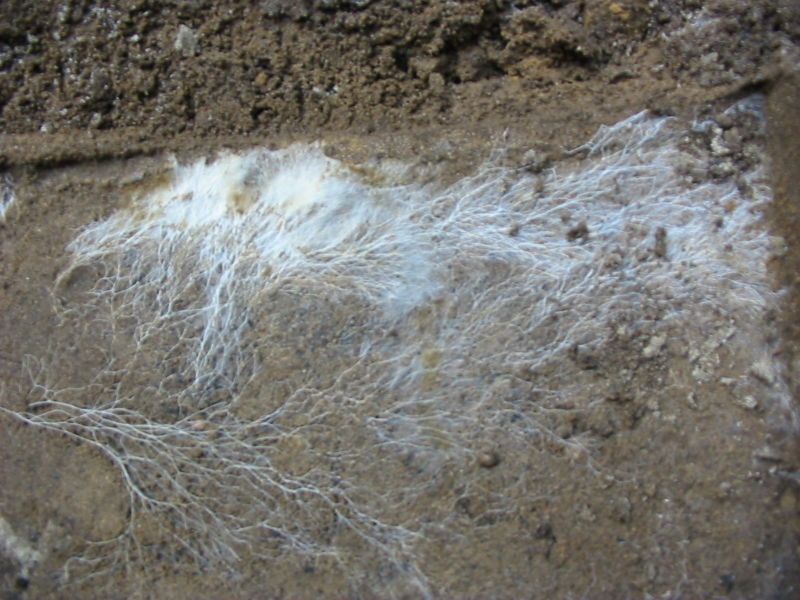
Close-up of white mycelium threads spreading through soil at the base of a mushroom, illustrating the underground network that supports fungal growth and sometimes bioluminescence

Photo: Lex vB via Wikimedia Commons · CC BY-SA 3.0

Oct 8, 2026•6 min read

Why Do Mushrooms Glow at Night? The Science of Bioluminescent Fungi

Some mushrooms really do glow — a chemical reaction inside their tissues produces light in species across several fungal families. Bioluminescence in fungi likely evolved for ecological reasons such as attracting insects to spread spores or deterring predators, but the exact benefits vary by species and environment.

why do mushrooms glowbioluminescent mushroomsglowing fungimushroom bioluminescencedo mushrooms glow at night
Read Post
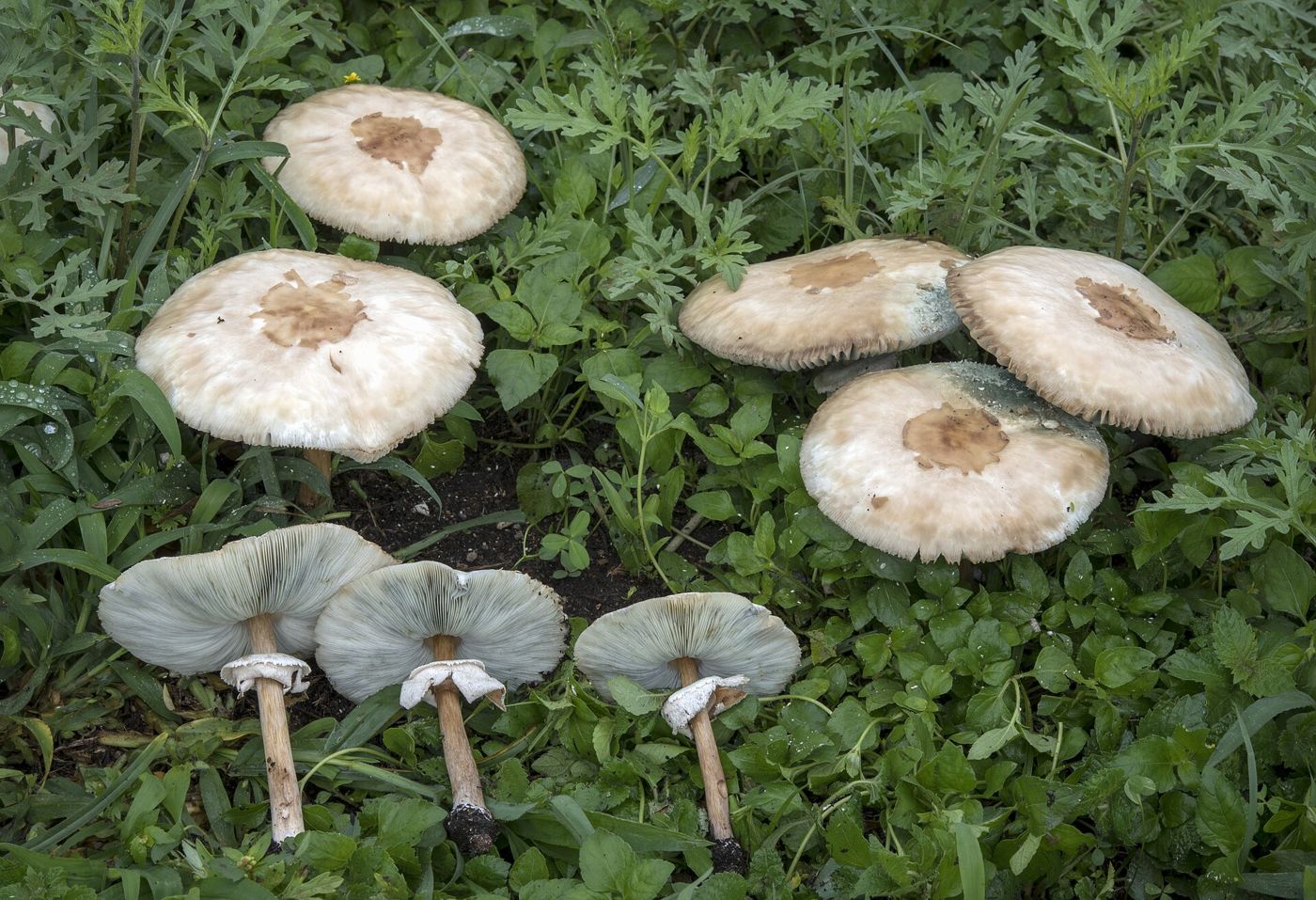
Green-spored parasol mushroom (Chlorophyllum molybdites) with a scaly cap growing in grass, showing typical lawn habitat

Photo: Alan Rockefeller via Wikimedia Commons · CC BY-SA 4.0

Oct 8, 2026•6 min read

Is the Green-Spored Parasol Poisonous? What to Know About Chlorophyllum molybdites

Yes — the green-spored parasol (Chlorophyllum molybdites) is a common cause of mushroom poisoning in lawns and parks. It typically causes strong gastrointestinal symptoms but is not reliably distinguishable from edible parasol-like mushrooms without careful examination and, often, expert confirmation.

green-spored parasolchlorophyllum molybditesis it poisonousmushroom identificationlawn mushroom poisoning
Read Post
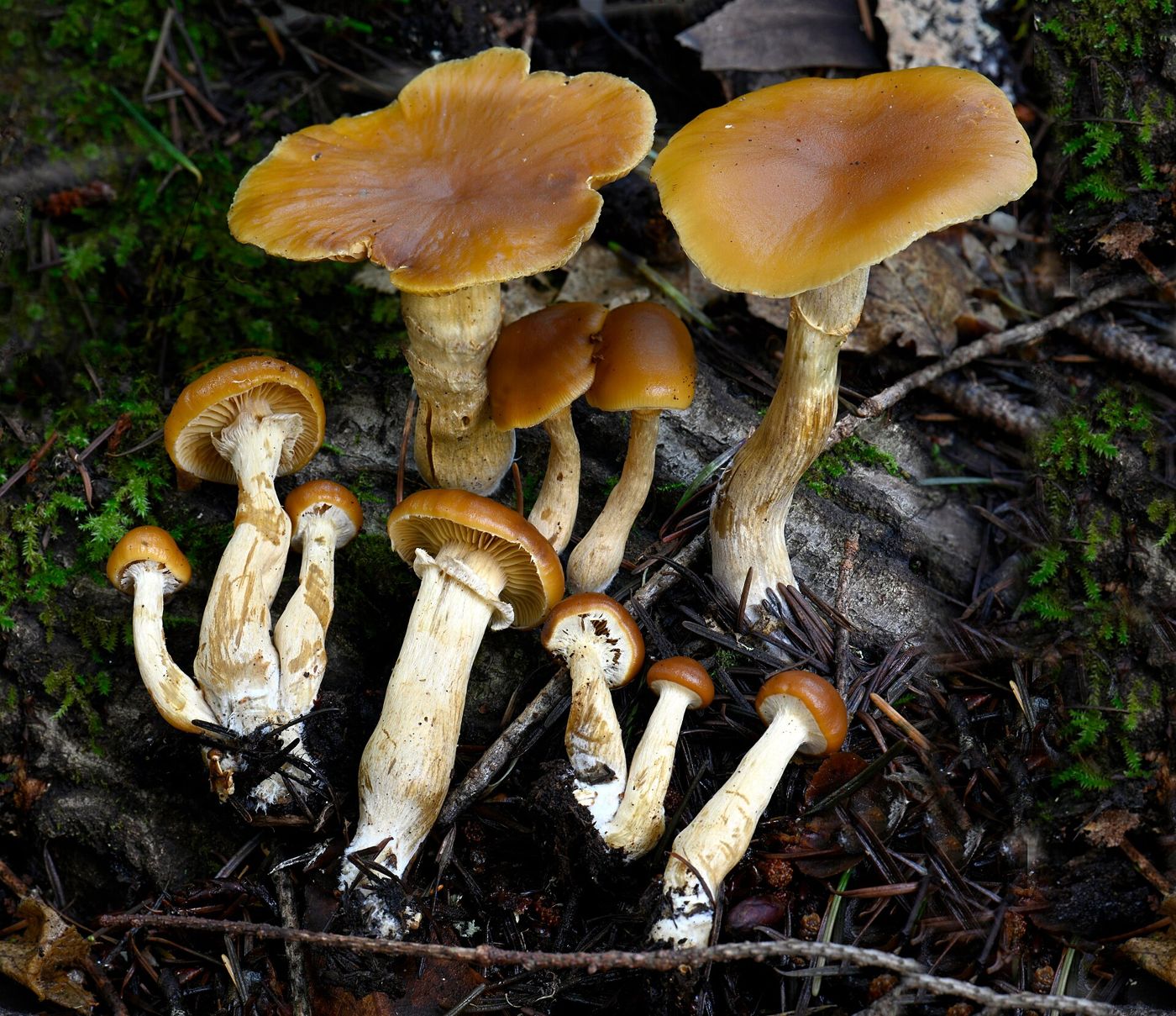
Small brown funeral bell mushrooms (Galerina) clustered on decaying wood — an example of the little brown mushrooms people worry about

Photo: Alan Rockefeller via Wikimedia Commons · CC BY-SA 4.0

Oct 8, 2026•6 min read

Are Little Brown Mushrooms Poisonous? What to Know About LBMs and Safety

“Little brown mushrooms” (LBMs) are a catchall category for many small, nondescript fungi — some are harmless, some cause stomach upset, and a few are dangerously toxic. Because LBMs are notoriously hard to identify by sight alone, treat unknown small brown mushrooms as potentially hazardous, especially around children and pets; if ingestion is suspected call poison control or emergency services and save a specimen for identification.

little brown mushroomsare brown mushrooms poisonouslbm mushroomsmushroom poisoning childrengalerina marginata
Read Post
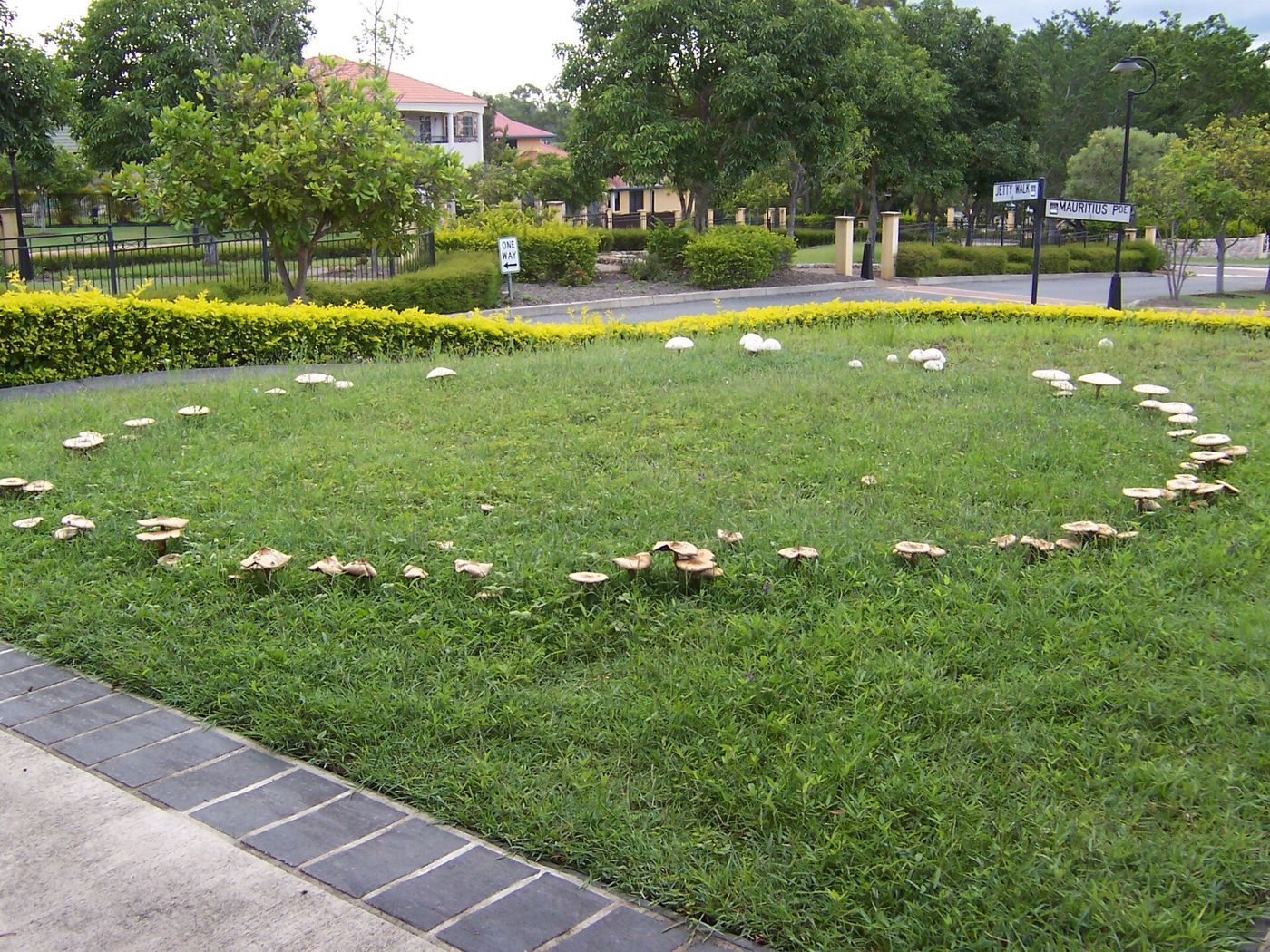
A ring of mushrooms growing in a suburban lawn

Photo: Mrs skippy via Wikimedia Commons · Public domain

Oct 7, 2026•5 min read

What Is a Fairy Ring? How Mushroom Circles Form in Grass

A fairy ring is a circle or arc of mushrooms produced by a single fungus growing outward through the soil. The mushrooms appear at the expanding edge, and the grass inside or around the ring may look greener or browner because of how the fungus changes the soil.

what is a fairy ringfairy ring mushroomsmushroom circle in grassfairy ring lawn
Read Post
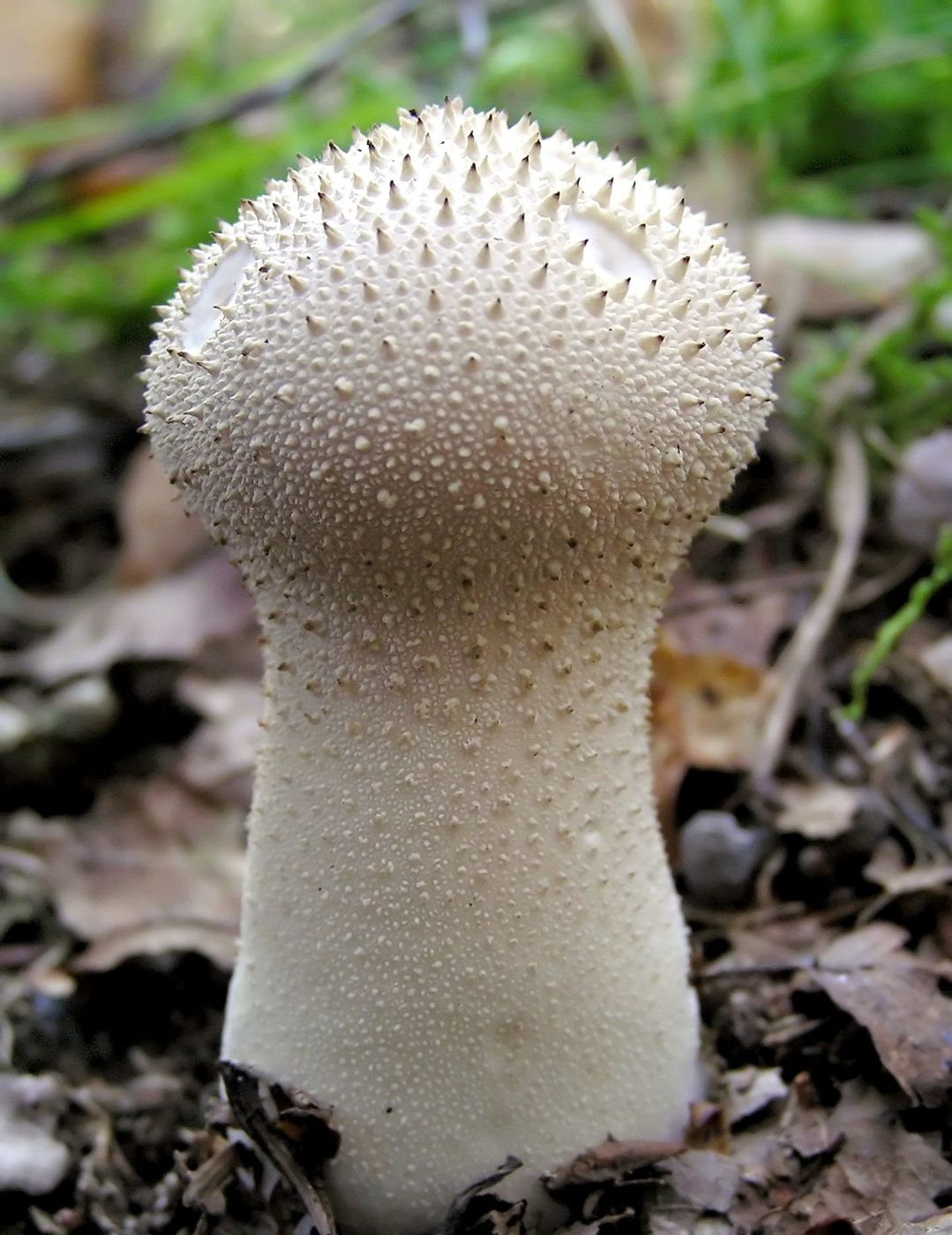
Common puffball (Lycoperdon perlatum) covered in small spiny warts

Photo: Daniel Ullrich via Wikimedia Commons · CC BY-SA 3.0

Oct 6, 2026•5 min read

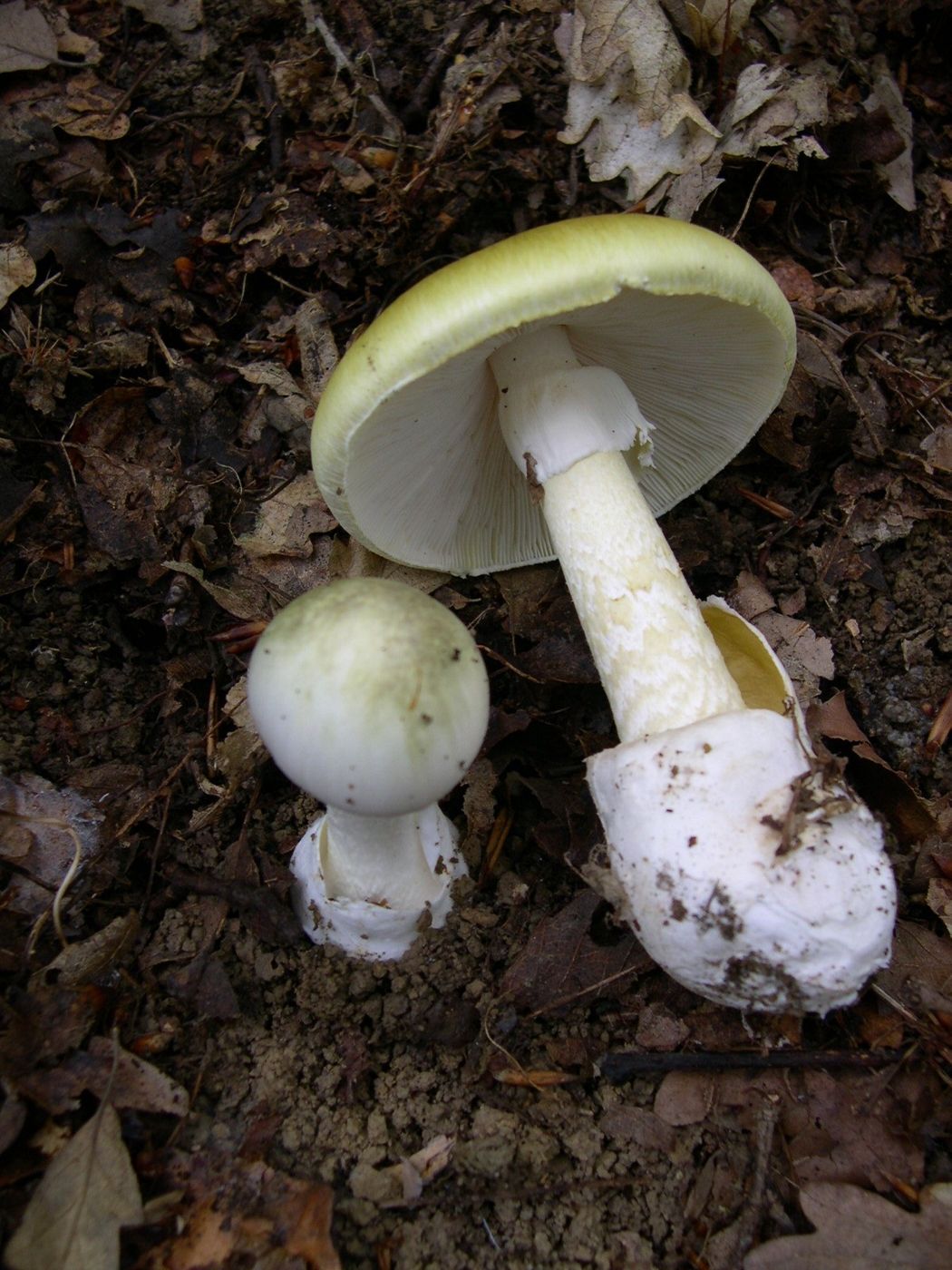
Puffball or Death Cap Egg? How to Tell Them Apart Safely

A young Amanita still inside its veil can look exactly like a small puffball from the outside. Slice it from top to bottom: a true puffball is uniformly white inside, while an Amanita egg shows the outline of a cap, gills, and stem. Earthballs are dark and firm inside and are also poisonous.

puffball vs amanitapuffball identificationdeath cap eggearthball vs puffball
Read Post
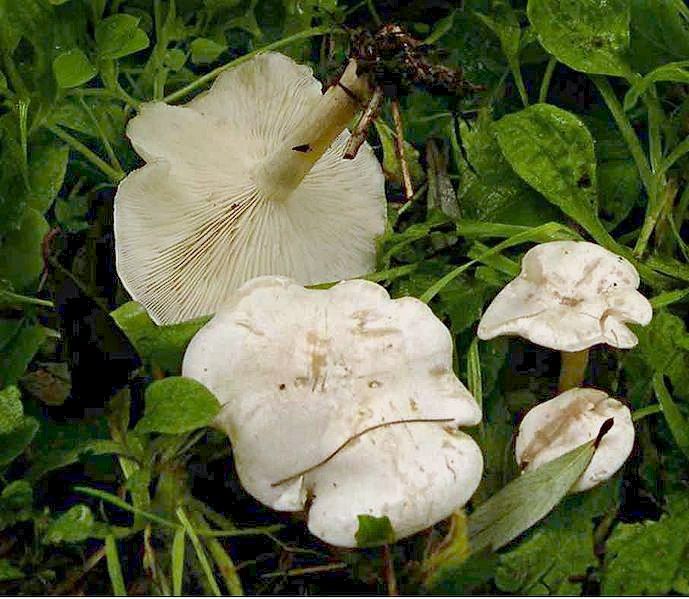
Ivory funnel (Clitocybe dealbata), a small white toxic lawn mushroom

Photo: Archenzo via Wikimedia Commons · CC BY 3.0

Oct 6, 2026•5 min read

My Dog Ate a Wild Mushroom: What to Do Right Now

Call your vet or an animal poison control line immediately, even if your dog seems fine. Collect a sample or photos of the mushroom, note the time, and do not try home remedies. Some deadly mushrooms cause no symptoms for six to twelve hours.

dog ate wild mushroommushroom poisoning in dogsare yard mushrooms poisonous to dogsdog mushroom symptoms
Read Post
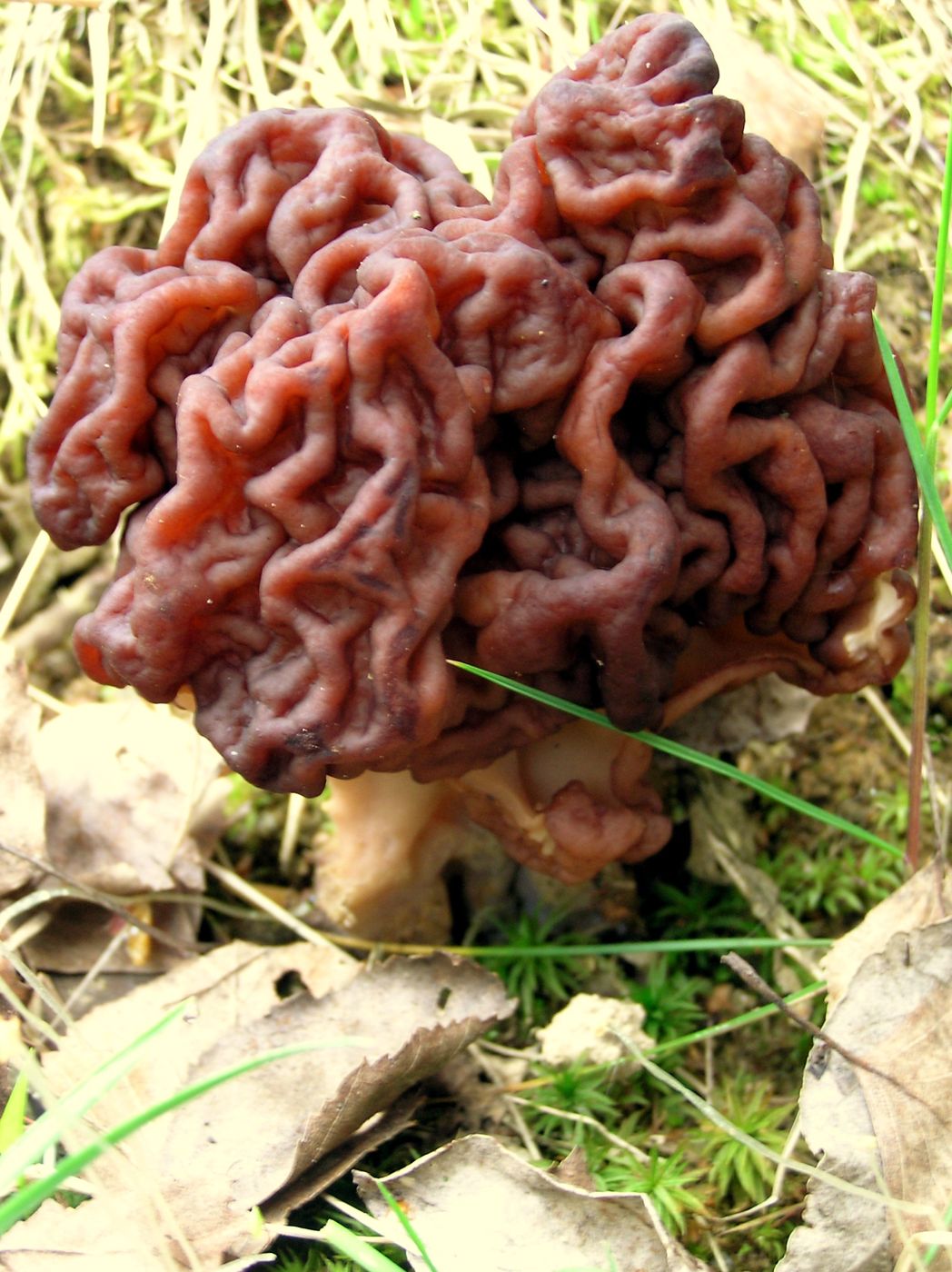
False morel (Gyromitra esculenta) with a brain-like wrinkled cap

Photo: Severine via Wikimedia Commons · CC BY-SA 3.0

Oct 5, 2026•6 min read

True Morel vs False Morel: The Slice Test and Other Key Differences

True morels have a honeycomb of pits and ridges, a cap fused to the stem, and are completely hollow when sliced from top to bottom. False morels look wrinkled or brain-like, are chambered or stuffed with cottony tissue inside, and can contain a toxin that damages the liver and nervous system.

true morel vs false morelfalse morel identificationgyromitrahow to identify morels
Read Post
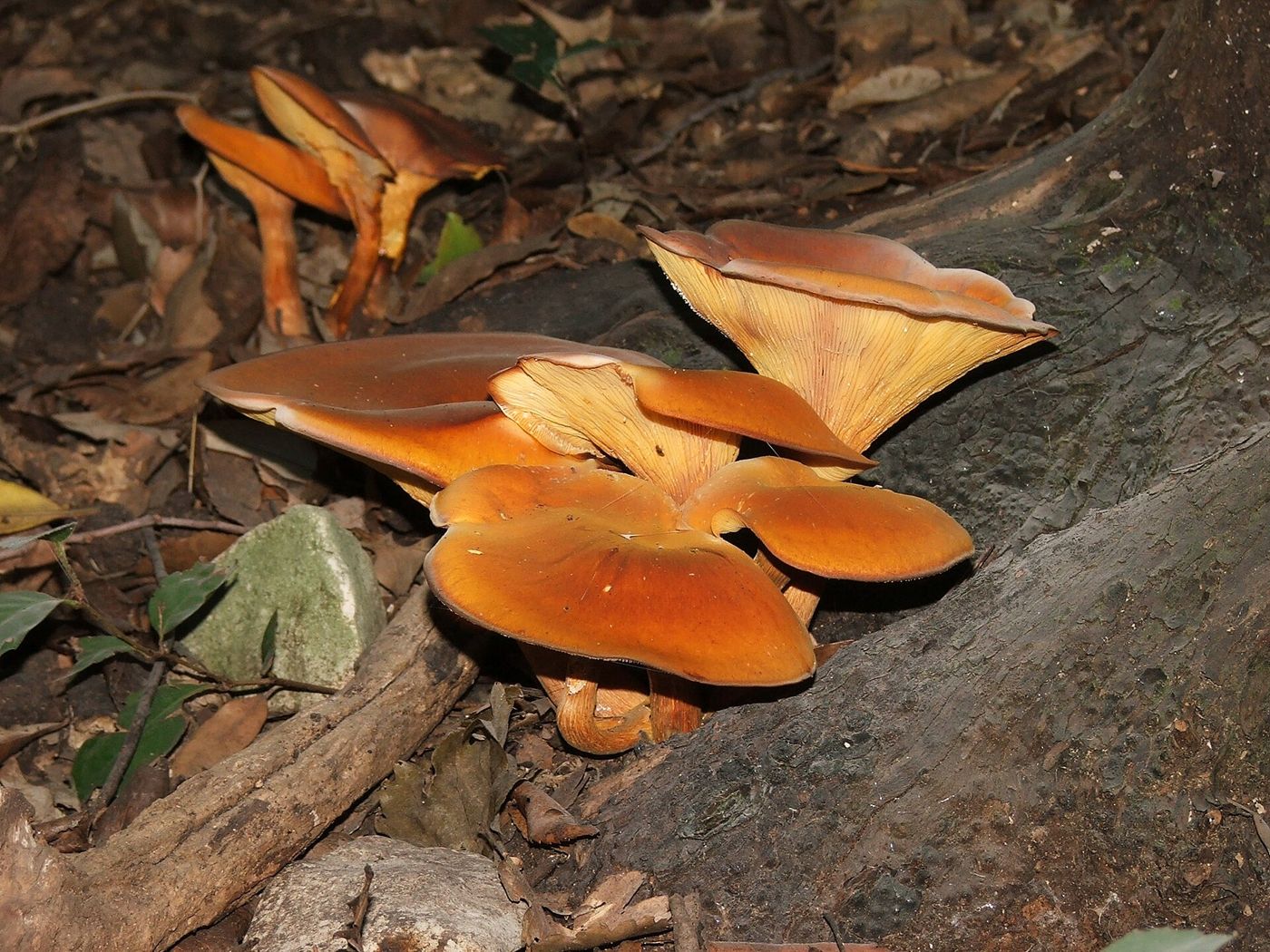
Orange jack-o'-lantern mushrooms (Omphalotus olearius) clustered at the base of a tree

Photo: Antonio Abbatiello via Wikimedia Commons · Public domain

Oct 4, 2026•6 min read

Chanterelle vs Jack-o'-Lantern Mushroom: How to Tell Them Apart

Chanterelles grow from soil, singly or scattered, with blunt forked ridges instead of true gills and pale flesh inside. Jack-o'-lanterns grow in tight clusters from wood, have sharp true gills, and are orange all the way through. They are poisonous and cause severe vomiting.

chanterelle vs jack o lanternchanterelle look alikejack o lantern mushroomfalse chanterelle
Read Post
Close-up of the gills under a mushroom cap

Photo: Zonda Grattus via Wikimedia Commons · CC BY 3.0

Oct 4, 2026•6 min read

How to Identify Mushrooms From a Photo: What to Photograph and Why

A good identification photo shows the top of the cap, the gills or pores underneath, the full stem including its base, and where the mushroom was growing. Three or four clear shots from different angles tell an identifier far more than one pretty picture.

identify mushroom from photomushroom identification apphow to identify mushroomsmushroom identification features
Read Post
Green-spored parasol mushrooms, one of the most common poisonous lawn mushrooms, growing in grass

Photo: Alan Rockefeller via Wikimedia Commons · CC BY-SA 4.0

Oct 3, 2026•6 min read

Are Mushrooms in My Lawn Poisonous? What to Know and What to Do

Some lawn mushrooms are harmless decomposers and some are genuinely poisonous, and you cannot tell which is which at a glance. Treat every lawn mushroom as inedible, keep children and pets away from it, and remove it with gloves if that helps you sleep at night.

are lawn mushrooms poisonousmushrooms in yardmushrooms in grass after rainhow to get rid of lawn mushrooms
Read Post