


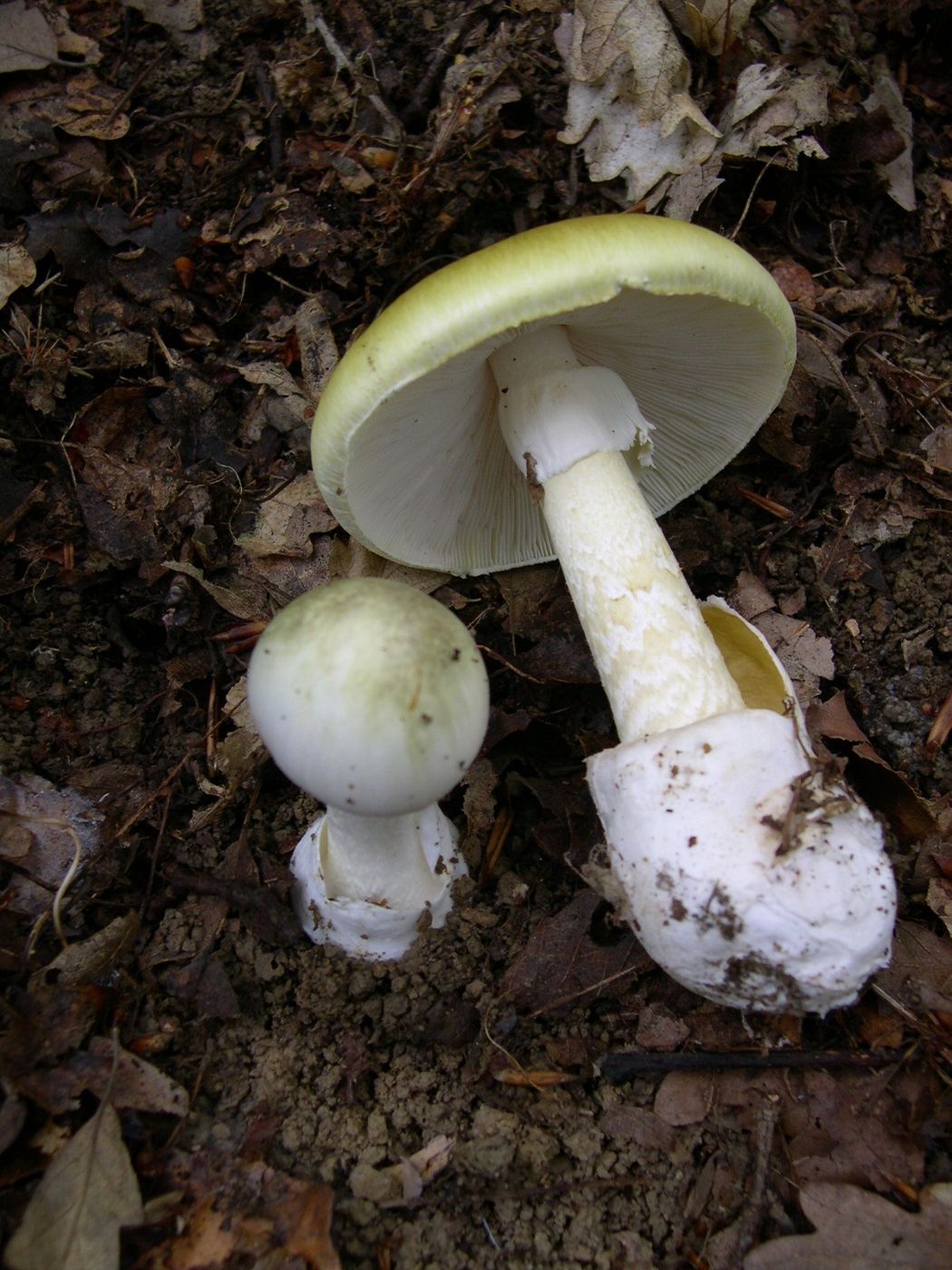
A frequent question among nature enthusiasts is whether placing a toxic mushroom in the same basket or container as other wild fungi will contaminate the entire haul. In purely chemical terms, fungal toxins do not diffuse like spilled liquid across the surface of neighboring mushrooms. Dangerous compounds such as amatoxins, which are found in deadly species like the death cap (Amanita phalloides) and the funeral bell (Galerina marginata), remain locked within the chitinous cell walls of the fungus. Simply touching the dry cap of an intact poisonous specimen against another mushroom will not magically infuse the second specimen with poison. However, treating this biochemical fact as permission to pile unknown and known mushrooms together is one of the most perilous mistakes an outdoor enthusiast can make.
The real and immediate hazard is physical fragmentation. Wild mushrooms are notoriously fragile, especially as they mature or become jostled during a walk through the woods. Gills crumble into microscopic flakes, cap margins snap off, and brittle stems disintegrate under the weight of other specimens. If a piece of a deadly Amanita phalloides no larger than a fingernail breaks loose and settles into the deep folds, false gills, or pores of another specimen, it can easily go unnoticed during later handling. Ingesting even that minute fragment is enough to deliver a potentially lethal dose of amatoxins, causing catastrophic liver and kidney failure regardless of what surrounding fungi it touched.
Many people wonder whether spores falling from a poisonous mushroom onto other specimens can cause toxicity. While mushroom spores do not typically contain high enough concentrations of systemic poisons like amatoxins to cause lethal organ failure, inhaling heavy clouds of spores can trigger severe respiratory reactions, and spore-laden fungal dust frequently carries pulverized fragments of cellular tissue. Furthermore, fungal tissues are moist and absorbent. Once mushrooms are crushed together in a humid basket or sealed plastic bag, tissue breakdown accelerates, creating a sticky slurry of mixed fungal matter that cannot be safely sorted or cleaned.
A dangerous misconception is that washing, peeling, or thoroughly cooking wild mushrooms will remove or neutralize toxins left behind by a contaminated specimen. Fungal poisons are remarkably stable compounds; amatoxins, muscarine, and gyromitrin withstand boiling water, high frying temperatures, and freezing. Rinsing mushrooms under running water may wash away loose dirt, but it cannot dislodge microscopic fungal tissue deeply trapped in gills or spongy bolete pores. Folk methods like boiling with garlic, soaking in vinegar, or relying on a silver coin to detect toxins are entirely baseless myths that have led to fatal poisonings. If an unidentified or known toxic mushroom has shattered inside a gathering container, reputable mycologists advise discarding the entire contents of the container without hesitation.
To avoid cross-contamination entirely, wild specimens must be separated at the moment of collection. Experienced naturalists carry tackle boxes, rigid divided baskets, or individual wax paper bags to isolate individual collections in the field. Mushrooms gathered for scientific study or species documentation should never share space with specimens intended for study as potential edibles. It is also critical to remember that some of the most dangerous toxic species, including deadly webcaps in the genus Cortinarius and small brown Galerina species, grow in the exact same microhabitats and moss cushions as harmless varieties, making careful individual isolation essential from the forest floor onward.
Whenever you encounter a wild mushroom, accurate identification is the only reliable foundation for safety. Never assume a mushroom is harmless based on casual visual similarity, rules of thumb, or its proximity to other species. You can begin exploring unknown finds by taking clear photographs of the cap, the gills or pores beneath, and the entire stem base including any subterranean structures. Tools like the Shroomly app can analyze these photos to suggest likely species and highlight dangerous toxic look-alikes. However, edibility can only ever be confirmed by an expert who has physically examined the actual specimen in hand, as several deadly species closely resemble popular edible ones. If anyone ever swallows a wild mushroom of uncertain identity or suspects poisoning, call emergency services or a poison control center immediately, keep a sample of the mushroom in a paper bag for clinical analysis, and never delay medical care.