


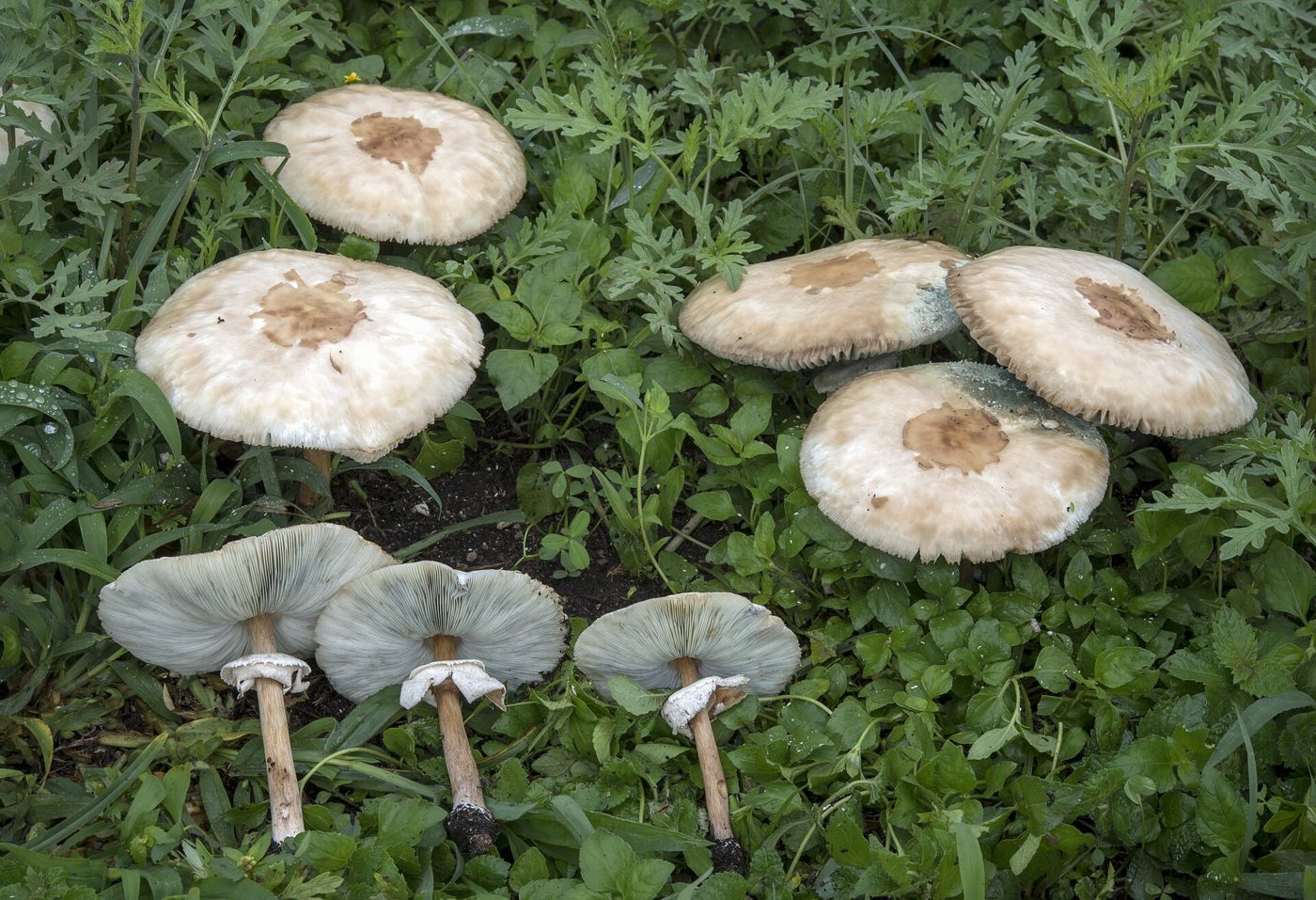
Finding mushrooms in a yard can be harmless, but when small children are involved the stakes change. Kids are naturally curious and often put things in their mouths, so the best approach is to prevent easy access to unknown fungi rather than rely on guessing whether a mushroom is safe. Childproofing against mushrooms combines environmental changes, supervision, clear rules, and communication with caregivers and neighbors.
Start with the landscape: remove or reduce the conditions that encourage mushrooms to fruit. Raking away leaf litter, turning over mulch beds, keeping grass trimmed, and promptly removing decaying wood or stumps will cut down on places fungi prefer to grow. While you can’t eliminate fungal mycelium from the soil, changing the surface environment makes visible mushrooms less likely to appear where children play.
When you see mushrooms, remove them promptly and safely. Use gloves or a tool to pick the mushrooms and place them in a sealed bag before disposing in household waste; don’t compost wild mushrooms where kids play. Teach household members to check and clear play areas—especially after rain—since many species appear rapidly in damp conditions. For persistent problems in shaded or mulched areas, consider replacing mulch with a less hospitable ground cover or moving play spaces to sunnier, drier parts of the yard.
Supervision and simple rules are crucial. Young children need direct supervision in areas where mushrooms appear. For older children, set a clear household rule: never touch, pick, or eat wild mushrooms, and tell an adult if they find one. Use age-appropriate language—compare mushrooms to “mystery plants” or “unknown snacks” that are for adults to check. Also inform sitters, grandparents, and neighborhood kids about the rule so everyone follows the same safety standard.
Prepare for worst-case scenarios before they happen. Post a visible note with your local poison control number and emergency contacts, and know your nearest emergency department. If a child swallows a mushroom or you suspect ingestion, call poison control or emergency services immediately; do not wait for symptoms. Collect a sample of the mushroom—whole if possible—place it in a sealed bag, refrigerate it if you can, and bring that sample to medical personnel. Never rely on folk tests (like silver spoons or whether animals eat it); those are unreliable and dangerous.
If you want to identify what’s growing in your yard, take clear photographs of the cap, gills or pores, and the stem base (dig around the base to show the whole structure). Use an app like Shroomly to suggest likely species and potential toxic look‑alikes, but remember that no photo or app can guarantee edibility. Confirm any identification with a local mycological society or an expert who can examine the actual specimen before making decisions about risk, removal, or possible exposure.