


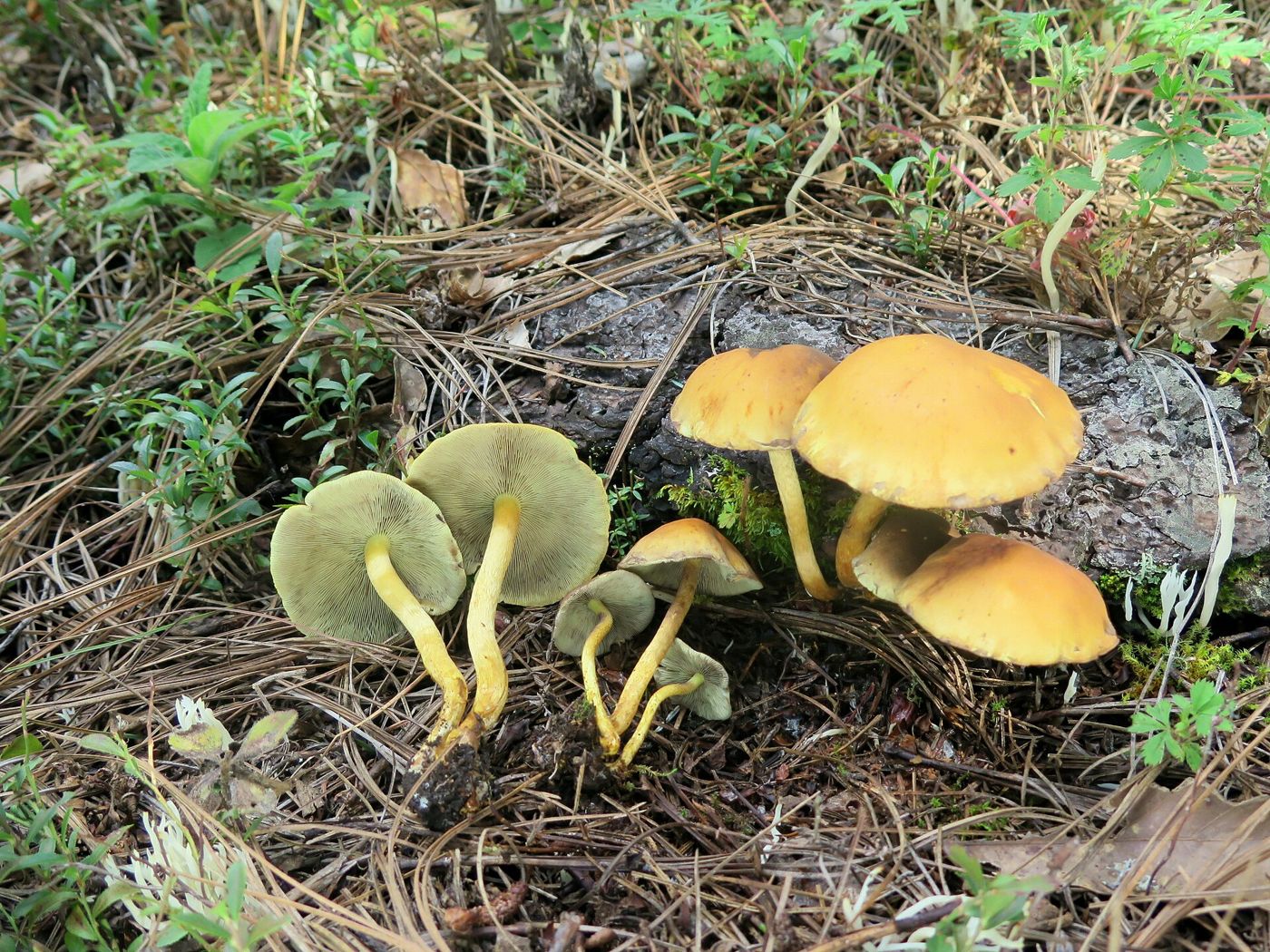
If you see mushrooms in your mulch, the simplest explanation is that the mulch is doing its job: it’s providing food and moisture for saprotrophic fungi that break down wood. Most common mulch mushrooms — species like Hypholoma (sulphur tuft), coprinoid ink caps, and various little brown saprobes — colonize the chipped, shredded or barky material and fruit when conditions are moist and temperatures are suitable.
Seeing mushrooms in mulch does not automatically mean the plants are diseased. These fungi primarily digest dead organic matter, not living roots, so they’re decomposers rather than pathogens in many cases. That said, extensive fungal activity can alter soil conditions and nutrient cycling, and some wood‑rotting fungi can move from mulch to already-decayed portions of tree roots or stumps if those are present nearby.
Mulch that stays wet and deep encourages fungal fruiting. Thick layers of uncomposted wood chips, poor drainage, heavy shade and infrequent disturbance create the ideal environment for mushrooms. If you’d like fewer fruiting bodies, thinning the mulch to a shallower layer, improving airflow, correcting drainage problems and allowing the surface to dry between waterings usually reduces how often mushrooms appear.
From a safety perspective, treat mulch mushrooms with caution. Many common garden fungi are harmless to touch, but some are toxic if eaten and a few can cause skin irritation in sensitive people. Do not rely on folklore — tests like tasting a small bit, checking whether an animal eats it, or rubbing with a silver spoon do not indicate safety. Never eat a wild mushroom unless a qualified expert has examined the actual specimen; some deadly species can closely resemble harmless ones.
If the mushrooms are a nuisance — for example they make paths slippery or children or pets might try to eat them — remove the fruiting bodies promptly by hand (wear gloves) and dispose of them in household trash. Raking the mulch to break up the fungal mycelium, replacing heavily colonized mulch with well-composted material, or switching to non-woody mulches (pea gravel, rubber mulch) are longer-term options. If you suspect the fungus is coming from a decaying stump or root, consult an arborist to assess structural or health risks to nearby trees.
If you’re ever unsure which fungus you’re dealing with, photograph the cap, the gills or pore surface, and the stem base (carefully dig around the base to show any volva or mycelial mat). Let Shroomly suggest likely species and toxic look‑alikes, and then confirm with a local mycological society or expert before making any decisions about edibility or removal. If someone ingests a wild mushroom and you suspect poisoning, call your local poison control center or emergency services immediately and keep a sample of the mushroom for identification.