


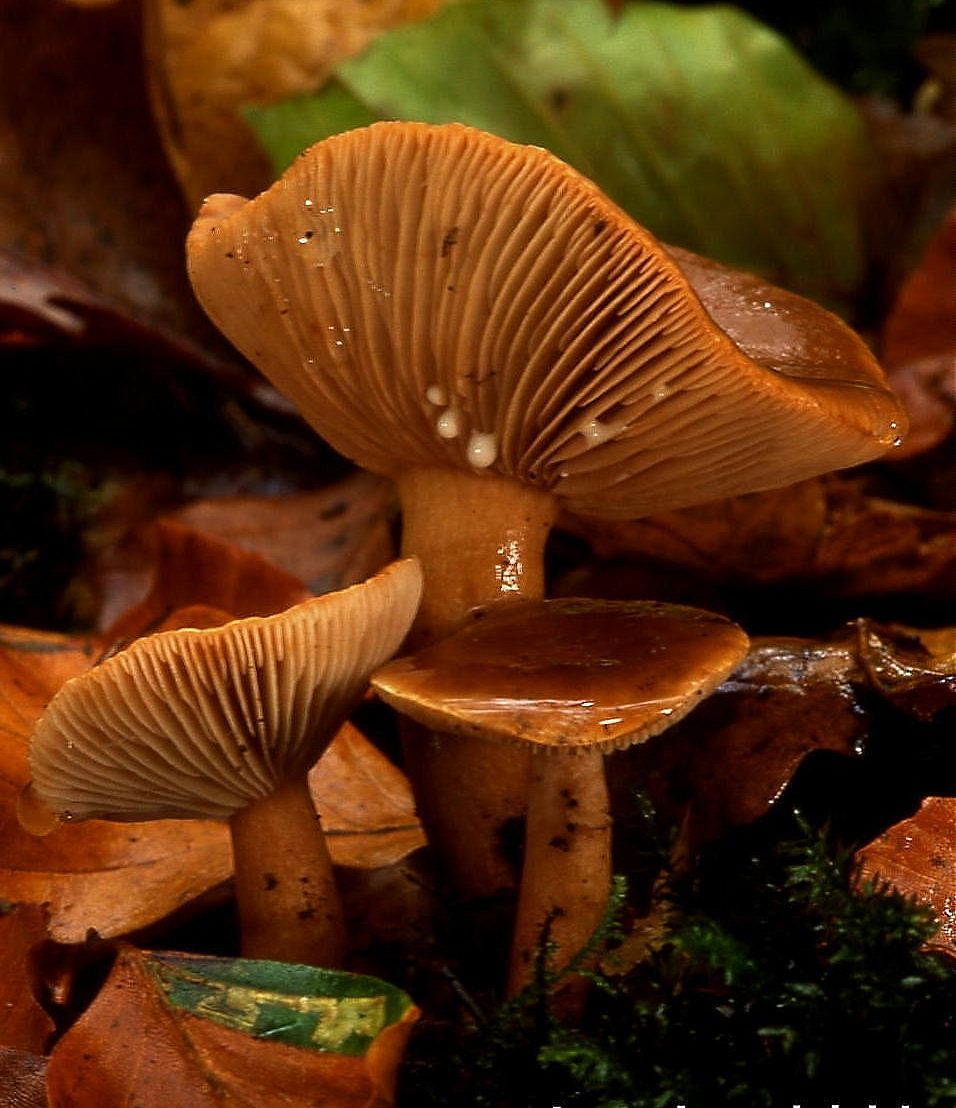
When observing wild mushrooms in the forest or field, one of the most striking transformations occurs on the underside of the cap. A mushroom that displays pristine white or pale pink gills in the morning can appear dingy tan, deep cinnamon, or dark chocolate brown just a couple of days later. This dramatic color shift is rarely a sign of disease or decay; rather, it is the natural culmination of the fungal reproductive cycle. Mushroom gills are lined with specialized microscopic cells called basidia, which manufacture and release billions of reproductive spores. As these microscopic spores ripen, their concentrated pigments coat the gill surfaces, gradually masking the original color of the underlying fungal tissue and transforming the overall appearance of the mushroom.
Understanding that gill color changes with age is fundamental to accurate mushroom identification. Mycologists classify gilled fungi largely by the color of their mature spore deposits, and observing gills across developmental stages offers critical clues. For example, species in the genus Agaricus, which includes common meadow mushrooms, typically feature pale greyish-pink gills when young, but as the spores mature, the gills darken to a rich, dark brown. By contrast, species in the genus Cortinarius often start with pale lilac, yellow, or buff gills that inevitably turn a rusty cinnamon-brown as their spores develop. In contrast, white-spored mushrooms, such as many species in the genus Amanita or Lepiota, tend to maintain stark white or cream gills throughout their entire lifecycle because their mature spores lack heavy dark pigments.
Not every color alteration on mushroom gills stems from spore maturation, however, and learning to separate physical traits from chemical reactions is equally vital. Some mushrooms undergo chemical oxidation when handled or exposed to air, causing the gills to bruise yellow, red, or dark brown within seconds or minutes of contact. Certain milk caps in the genus Lactarius exude pigmented droplets of latex when their gills are damaged, which may dry into green, grey, or orange stains. In extreme cases, such as with inky cap mushrooms like Coprinus comatus, the gills undergo a process called deliquescence, literally digesting themselves into a black liquid to facilitate spore dispersal. Ordinary environmental factors, including heavy rain, frost, sunburn, and bacterial rot, can also discolour gills, potentially disguising the mushroom's true features.
Relying on gill color alone has led to countless foraging tragedies because deadly mushrooms can share virtually identical gill shades with harmless species at various stages of growth. A widespread and exceedingly dangerous myth suggests that mushrooms with pink or brown gills are inherently safe to eat, while white-gilled mushrooms are always toxic. In reality, the world's most lethal fungi—including the destroying angel, Amanita bisporigera, and the death cap, Amanita phalloides—possess white gills that can easily be confused with other pale-gilled woodland fungi. Conversely, the funeral bell, Galerina marginata, and the deadly webcap, Cortinarius rubellus, develop rusty brown gills that an inexperienced observer might mistake for edible field mushrooms. Folk tests like boiling a mushroom with a silver spoon, assuming that peeling the cap skin removes toxins, or trusting that nibbled mushrooms are safe because wildlife ate them are completely false and have no scientific validity.
Because gill color is dynamic and dependent on specimen maturity, never attempt to determine whether a wild mushroom is safe to consume based on a photograph, an app suggestion, or a single physical characteristic. Only a trained mycological expert who has physically inspected the fresh specimen, ideally examining its microscopic spore anatomy, can verify a mushroom's species. If you suspect that a child, pet, or adult has ingested any part of an unidentified wild mushroom, do not wait for symptoms like stomach cramps, vomiting, or diarrhea to appear, as some deadly fungal toxins cause no discomfort for up to twenty-four hours while damaging internal organs. Contact poison control or local emergency services immediately, and carefully gather the remainder of the mushroom, including the intact stem base, in a paper container so specialists can attempt an urgent identification.
To develop your identification skills safely, always examine a mushroom as a complete organism rather than focusing on its gills in isolation. Take clear, well-lit photographs capturing the top of the cap, a crisp close-up of the gills showing how they attach to the stalk, and the very base of the stem gently dug from the ground to check for hidden volva cups or bulbs. You can upload these comprehensive images to the Shroomly app to receive guided suggestions of likely species, track key morphological features, and learn about potential toxic look-alikes. Whenever you encounter a puzzling find, share your documentation with a local mycological society or professional expert to build your fungal knowledge safely and accurately.