


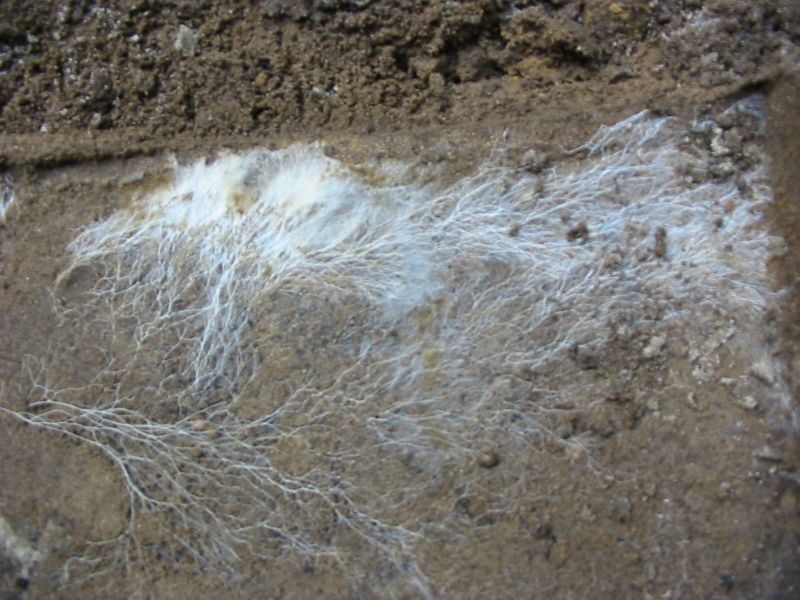
When people see mushrooms popping up in dark, damp places or under piles of leaves they often assume sunlight must be involved, but fungi are not plants and they do not photosynthesize. The main living part of most fungi is a network of microscopic threads called mycelium that lives in soil, wood or leaf litter and feeds by secreting enzymes that break down organic material into absorbable nutrients. That means fungi gain energy from the chemical breakdown of other organisms, not from light.
Light does have biological effects on many mushroom species, but those effects are about development and behavior rather than energy production. For some species a bit of light acts as a cue to start making fruiting bodies (the mushrooms we see), helps orient the cap and gills for spore release, or influences pigment production. Others will fruit in deep shade with little to no light at all. The presence or absence of sunlight therefore affects when and how mushrooms appear, not whether they can grow.
Temperature, moisture and the availability of organic food are far more important drivers of fungal growth than direct sunlight. Warm, wet conditions often trigger rapid mushroom formation because they allow mycelium to grow and because water is needed for the cells in fruit bodies. Wood-rotting fungi will fruit where there is decaying wood to digest; soil fungi will fruit where there is rich organic matter or plant roots to partner with. You can commonly find prolific mushrooms in shaded forests, under mulch, and inside potted plants — all places with little direct sun but plenty of food and moisture.
Some fungi form close partnerships with green plants (mycorrhizae) and exchange nutrients directly with roots. In those cases the fungus benefits indirectly from the plant’s photosynthesis because the plant supplies sugars to the fungus in return for water and minerals. But this is still not the fungus doing photosynthesis itself — it is taking carbon that plants made with light and using it. Other fungi are saprotrophs, breaking down dead material, and some are parasites that feed on living organisms. None of these strategies require the fungus to capture sunlight on its own.
A few iconic species do have light-dependent traits worth noting: bioluminescent fungi glow in the dark (but glowing is a signaling or byproduct trait, not energy capture), and some delicate shelf and gilled mushrooms develop stronger pigments or different shapes when exposed to light. Cultivators of edible fungi sometimes use light strategically to induce pinning (the start of mushroom formation) or to maintain color, but commercial growers supply energy in the form of prepared substrates and controlled environments rather than relying on sunlight for nutrition.
If you’re trying to understand why a particular mushroom appeared in your yard or houseplant, think first about food, moisture and temperature, then about light as a secondary influence on form and timing. Photograph the cap, gills and the stem base and let Shroomly suggest likely species and common toxic look‑alikes. Never assume a mushroom is safe to eat from a photo or an app; only an expert who has examined the actual specimen can confirm edibility, and for any uncertain or suspicious finds contact a local mycological society or qualified expert before handling, consuming, or feeding to others.