


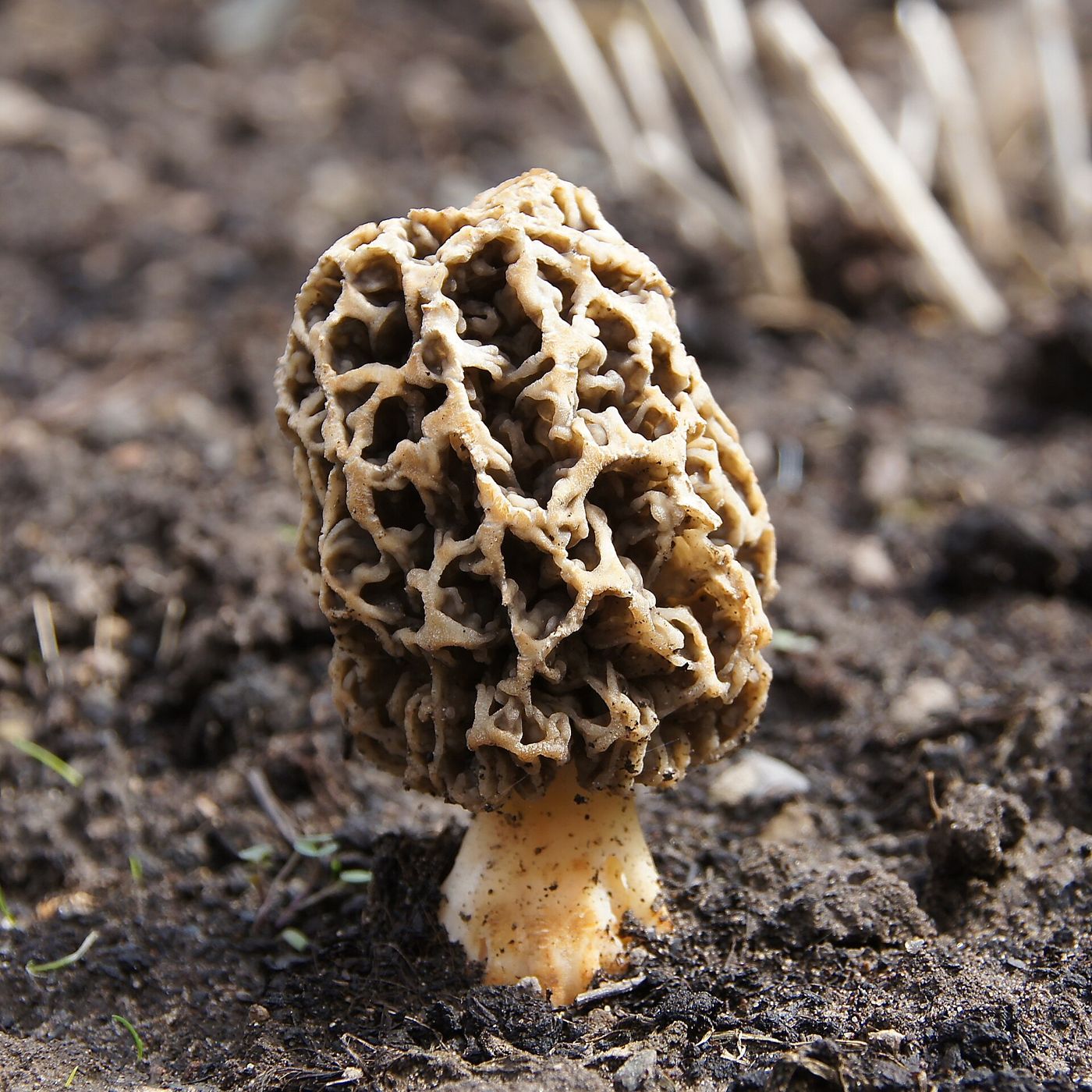
People search this question for many reasons. Some have seen raw button mushrooms in salads and assume wild ones are similar. Others have watched a toddler pull a mushroom from the lawn and take a bite. The short answer is no. Raw wild mushrooms carry every risk that cooked wild mushrooms carry, plus extra ones. The most important point comes first, though. Whether a mushroom is raw or cooked has nothing to do with whether it is one of the deadly species. Identity is the question that matters, and only an expert who has examined the actual specimen can confirm it.
The deadliest mushrooms are dangerous in any form. Amatoxins, found in the death cap (Amanita phalloides), the destroying angels (Amanita virosa, Amanita ocreata, Amanita bisporigera) and some Galerina and Lepiota species, are heat-stable. They are not destroyed by cooking, drying or freezing. The same is true of orellanine in deadly webcaps such as Cortinarius rubellus. So a raw death cap is not more poisonous than a cooked one, and a cooked one is not safe. Several of these deadly species look like popular edible mushrooms, which is why misidentification, not preparation, causes most serious poisonings.
There is a second layer of risk that catches people out. Some mushrooms that experienced foragers regard as edible can still make people ill when eaten raw or undercooked. True morels (Morchella species) are the best-known example. They have been linked to gastrointestinal illness and, in some reports, neurological symptoms such as dizziness and unsteadiness, including after insufficient cooking. Honey fungus (Armillaria species) has a reputation for upsetting stomachs even when properly identified, and raw consumption is widely discouraged. Chicken of the woods (Laetiporus species) causes reactions in some people. Even cultivated shiitake (Lentinula edodes) can cause a striking whip-like skin rash, known as shiitake dermatitis, when eaten raw or undercooked. None of this means these mushrooms become safe with the right preparation. It means that 'edible' is never a simple yes or no.
Raw wild mushrooms also carry ordinary food safety hazards. Mushrooms growing outdoors are in contact with soil, animal droppings, insects and whatever else passes through a lawn, park or woodland. Older specimens may be decaying, waterlogged or full of larvae. Spoiled mushrooms can cause food poisoning symptoms that are easily mistaken for mushroom toxicity, and vice versa. Many wild fungi also absorb heavy metals and other pollutants from their surroundings, so mushrooms from roadsides, industrial land or treated lawns add yet another unknown.
Folk ideas about safety are just as unreliable for raw mushrooms as for cooked ones. Peeling the cap, watching whether animals or slugs eat it, testing it with a silver spoon, judging by smell, or tasting a small raw nibble and waiting all fail. Death caps are reported to taste pleasant, and slugs and squirrels eat species that are deadly to humans. Tasting a raw piece is especially dangerous because amatoxin symptoms are typically delayed for many hours, by which point serious organ damage may already be underway. Feeling fine shortly afterwards tells you nothing.
This matters most with children and pets, who are the people most likely to eat a mushroom raw, straight from the ground. If a child or pet has eaten any part of a wild mushroom, or you think they might have, call poison control or emergency services immediately. Do not wait for symptoms and do not try home remedies. Keep a sample of the mushroom, ideally a whole one from the same spot including the base of the stem, wrapped in paper, so experts can work out what it is. Regularly removing mushrooms from areas where young children and dogs play is a sensible habit during wet seasons.
If mushrooms keep appearing in your garden or on your walks and you want to know what they are, curiosity is the right instinct, as long as identification stays separate from eating. Photograph the top of the cap, the gills or pores underneath, and the full stem down to its base, including any ring or cup-like volva. Shroomly can then suggest likely species and highlight known toxic look-alikes, which helps you understand what you are dealing with and how much caution it calls for. Treat any app result as a starting point, never as permission to eat, raw or otherwise. For confirmation, take the whole specimen to a local mycological society or an experienced expert who can examine it in person.