


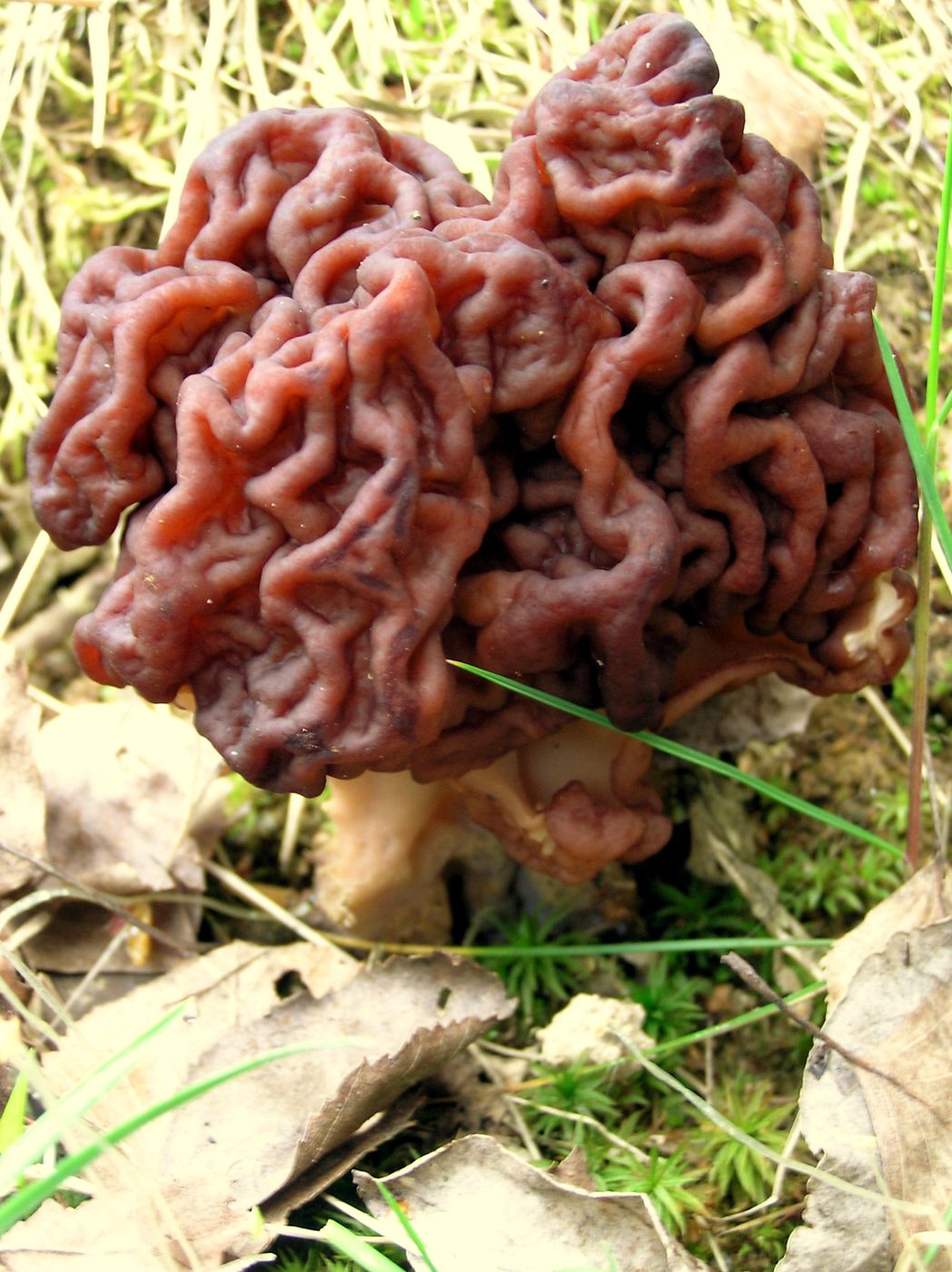
False morels, most notably the widespread species Gyromitra esculenta, are dangerously toxic mushrooms responsible for severe poisonings and fatalities around the globe. While their springtime appearance often coincides with the emergence of prized true morels, false morels contain gyromitrin, an organic nitrogen compound that breaks down inside the human body into monomethylhydrazine. This chemical is identical to the volatile propellant used in rocket fuel, and it acts as a cellular poison that disrupts metabolic enzymes, destroys red blood cells, and attacks vital organs. Consuming these fungi presents an acute risk to human health, and scientific consensus firmly classifies them as hazardous wild mushrooms that should never be treated casually.
The physiological impact of gyromitrin poisoning is insidious because symptoms typically develop after a significant delay. An individual who has eaten a false morel might feel completely healthy for six to twelve hours, or even longer, before experiencing sudden gastrointestinal distress, including severe nausea, persistent vomiting, abdominal cramps, and watery diarrhea. In moderate to severe cases, the chemical inhibits the normal synthesis of gamma-aminobutyric acid in the brain, leading to neurological complications such as tremors, lack of coordination, profound lethargy, and seizures. As the poison continues to circulate, it causes progressive hepatic injury and renal failure, manifesting as jaundice, dark urine, and potentially irreversible organ damage that can prove fatal without intensive medical intervention.
A persistent and dangerous misconception surrounds the idea that false morels can be rendered safe through traditional cooking methods like boiling or air-drying. In parts of Europe and North America, older folklore suggested that parboiling these mushrooms in repeated changes of water evaporated the toxin, but modern toxicology rejects this practice as inherently unsafe. Because gyromitrin vaporizes at relatively low temperatures, boiling false morels releases toxic monomethylhydrazine fumes directly into kitchen air, which can poison anyone standing nearby via inhalation. Furthermore, chemical analyses demonstrate that boiling or drying rarely eliminates all residual toxins, and because gyromitrin is also a known cumulative carcinogen, repeated exposures over time can cause severe long-term biological harm regardless of short-term survival.
Distinguishing false morels from harmless or unrelated woodland fungi requires close attention to structural morphology, as superficial resemblances lead to regular foraging accidents. True morels, belonging to the genus Morchella, feature a network of distinct ridges and hollow pitted hollows that resemble a natural honeycomb or sponge, whereas Gyromitra species exhibit an undulating, lobed, or brain-like cap that appears folded and convoluted. When bisected vertically, true morels are entirely hollow from the very tip of the cap down through the stem base, whereas false morels typically reveal an interior filled with irregular folds, fibrous white pith, or chambered pockets. However, visual comparisons alone must never be trusted to declare any wild fungus safe, especially when deadly species can closely mimic superficially benign ones.
If you or someone under your care has ingested any portion of a wild false morel, immediate action is paramount. Do not wait for abdominal pain, nausea, or neurological symptoms to manifest, as clinical delays allow toxic metabolites to bind deeply to tissues before antidotes can be administered. Contact emergency medical services or your national poison control center without hesitation, and describe the incident accurately. If possible, collect any leftover pieces of the mushroom, raw scraps, or intact specimens from the harvesting area, package them in a breathable paper bag, and bring them directly to the medical facility so clinical toxicologists can confirm the botanical identification and tailor treatment appropriately.
Navigating wild mushrooms requires rigorous documentation and a commitment to personal safety over guesswork. When examining an unfamiliar specimen in the wild, take clear, well-lit photographs capturing the texture of the cap surface, the way the margin attaches to the stipe, and the complete base of the stem excavated carefully from the surrounding substrate. Tools like Shroomly can help cross-reference these detailed images against vast fungal databases to highlight probable species and warn you about hazardous look-alikes. Always remember, however, that digital analysis and diagnostic apps are educational aids rather than clearance certificates, and only a qualified expert who has physically inspected the specimen in hand can provide an authoritative verification.