
How to identify mushrooms from a photo comes down to one idea: show the features that separate species, not just the ones that look nice. The cap you see from above is often the least informative part. The underside, the stem, the base, and the place the mushroom is growing carry most of the clues, and they are exactly the parts that casual snapshots leave out.
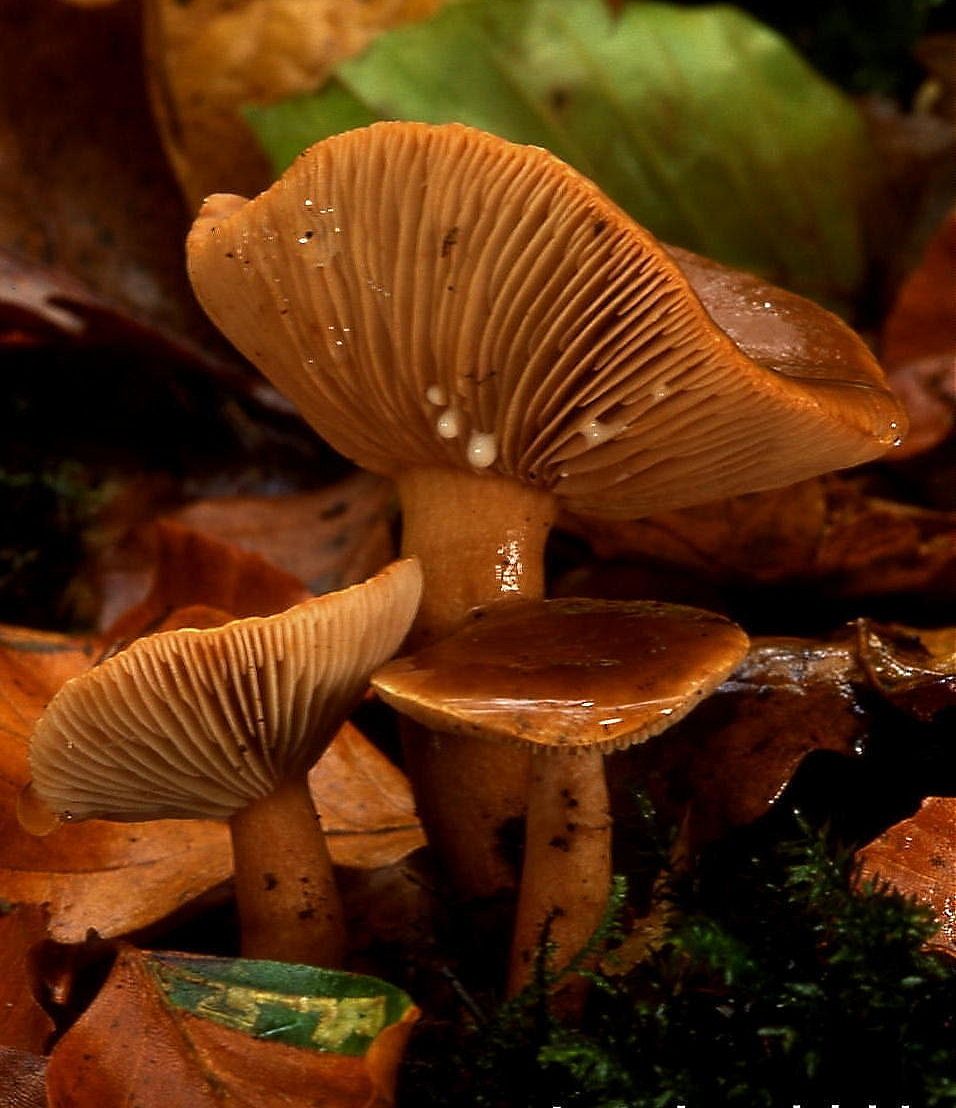
Start with the cap from above, then tilt the mushroom or crouch to photograph the underside. Note whether it has gills, pores like a sponge, spines, or smooth ridges, and how the gills meet the stem. Gill colour matters too, and it can change with age, so a mature specimen next to a young one is useful. Next, photograph the stem along its full length, including any ring, scales, or change in texture.
The base deserves its own picture. Many dangerous Amanitas have a sac-like cup or a swollen bulb at the bottom of the stem, and it is often buried. Gently loosen the soil around the mushroom so the base is visible, rather than snapping it off at ground level. If you can, show a cut stem as well; some species stain blue, yellow, or red when bruised or cut, and others ooze a coloured milk.
Context is the part most people forget. Is the mushroom growing on wood or on soil? Alone, scattered, or in a dense cluster? Under oaks, pines, birches, or in an open lawn? A wide shot of the surroundings and a note of the nearest trees can rule out half the candidates instantly. Something in the frame for scale, such as a coin, a key, or your hand, helps the size come across.
Light and focus make a real difference. Shade usually gives truer colours than harsh sunlight, and a phone flash can turn browns into oranges. Get close enough that the gills are sharp, wipe raindrops off the lens, and take several shots rather than one. Some features, such as smell, texture, and the colour of the spore print, never show up in a photo, so write them down if you notice them.
Once you have these shots, Shroomly can use them to suggest the most likely species, explain what the result was based on, and list the look-alikes worth ruling out. Treat that as a starting point for learning, not as permission to eat anything. Edibility can only be confirmed by an experienced person examining the actual mushroom, and local mycological societies are usually glad to help.