


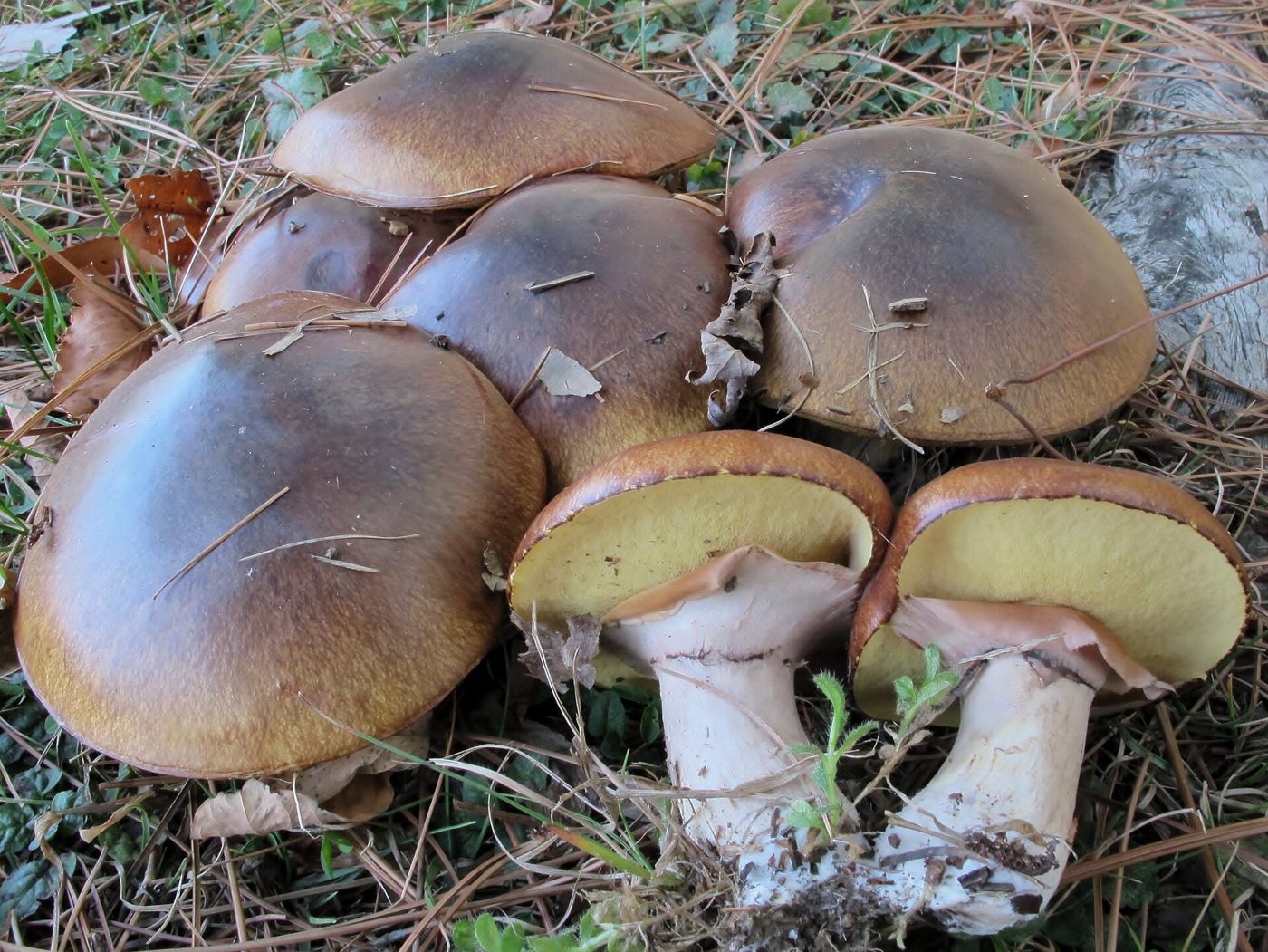
If you spend time walking through woodlands in autumn, you will quickly notice that mushrooms rarely scatter across the landscape at random. Certain species appear in tight groupings beneath towering pines, while entirely different varieties emerge along the roots of old oaks or amid the leaf litter of a birch grove. This spatial pattern is not an accident of moisture or shelter. Instead, it is the visible result of mycorrhizal symbiosis, a specialized subterranean partnership where the thread-like mycelium of a fungus weaves around and into the fine root tips of a living tree.
In this underground alliance, both organisms depend heavily on one another to thrive. Trees are masters of photosynthesis, capturing sunlight to generate rich carbon compounds and simple sugars, but their roots often struggle to extract scarce micronutrients like phosphorus, zinc, and nitrogen from dense or depleted soils. Fungal mycelium, by contrast, is extraordinarily fine and can explore microscopic soil pores that plant roots cannot penetrate. The fungus absorbs water and bound minerals and passes them directly to the tree root, receiving a steady supply of energy-dense sugars in return. Because the fungus relies on these carbohydrates to build and fuel its reproductive structures, it only fruits where its root network connects with a living host.
While some mycorrhizal fungi are ecological generalists capable of partnering with several different tree families, many have evolved strict host fidelity over millions of years. A classic example is the slippery jack (Suillus luteus), a member of the bolete family that forms obligate partnerships almost exclusively with two-needle pines such as the Scots pine (Pinus sylvestris). You will never find a wild slippery jack thriving in a pure stand of deciduous beech or maple. Similarly, many varieties of milkcaps in the genus Lactarius and webcaps in the genus Cortinarius associate only with particular conifers, birches, or alder trees. Naturalists and field mycologists learn early on that studying the forest canopy is just as important as inspecting the ground, because spotting the host tree is often the most reliable clue to what might be fruiting below.
It is equally important to distinguish these mutualistic root partners from other fungi sharing the forest floor. Wood-decaying saprotrophic species, for instance, feed purely on dead organic matter like fallen twigs, decomposing leaf duff, or buried heartwood, meaning they do not maintain an active metabolic trade with living roots. Other fungi act as destructive parasites, invading living wood fibers and slowly weakening the host tree until it collapses. Knowing whether a mushroom is drawing sugars from a healthy living root system, digesting dead bark, or attacking a dying trunk gives researchers and enthusiasts critical context when interpreting the health and life cycle of the surrounding woodland.
Widespread interest in these tree partnerships has also given rise to dangerous folk myths about mushroom safety. One common misconception claims that wild mushrooms growing under familiar edible fruit or nut trees must naturally be harmless to eat, or that animals feeding on mushrooms beneath an oak tree proves the fungus is non-toxic. In reality, fungal biochemistry has nothing to do with the edibility of the host tree, and mammalian digestive systems differ radically from our own. Deadly toxic species such as the death cap (Amanita phalloides) and several destroying angels (including Amanita virosa and Amanita bisporigera) are themselves mycorrhizal fungi that partner routinely with oaks, beeches, and pines. No environmental clue, tree association, silver spoon test, or pleasant smell can ever indicate whether a wild mushroom contains lethal toxins.
Because cellular toxins like amatoxins can take twelve hours or longer to produce noticeable physical distress, any suspected ingestion of a wild mushroom requires immediate medical intervention. Never wait for nausea or stomach cramps to develop, and do not attempt home treatments. Instead, call your local poison control hotline or emergency medical services straight away, and preserve any leftover mushroom fragments—including the stem base dug carefully from the earth—in a clean paper bag so toxicologists and consulting mycologists can make an accurate identification. Edibility can never be determined by a single trait or rule of thumb, and only an experienced expert who has physically examined the complete specimen in hand can confirm a wild mushroom's identity.
Learning to recognize specific tree species adds an exciting new dimension to observing fungi in the wild, but careful examination of the mushroom itself remains essential. Whenever you encounter an unfamiliar fungus, take clear, well-lit photos showing the top of the cap, the spore-producing underside whether made of gills, pores, or spines, and the entire stem right down to its subterranean base. You can submit these photos to the Shroomly app to receive instant suggestions on likely species and see which toxic look-alikes share similar habitats. Always cross-check those findings with field guides and verify your discoveries with your regional mycological society before drawing firm conclusions.