


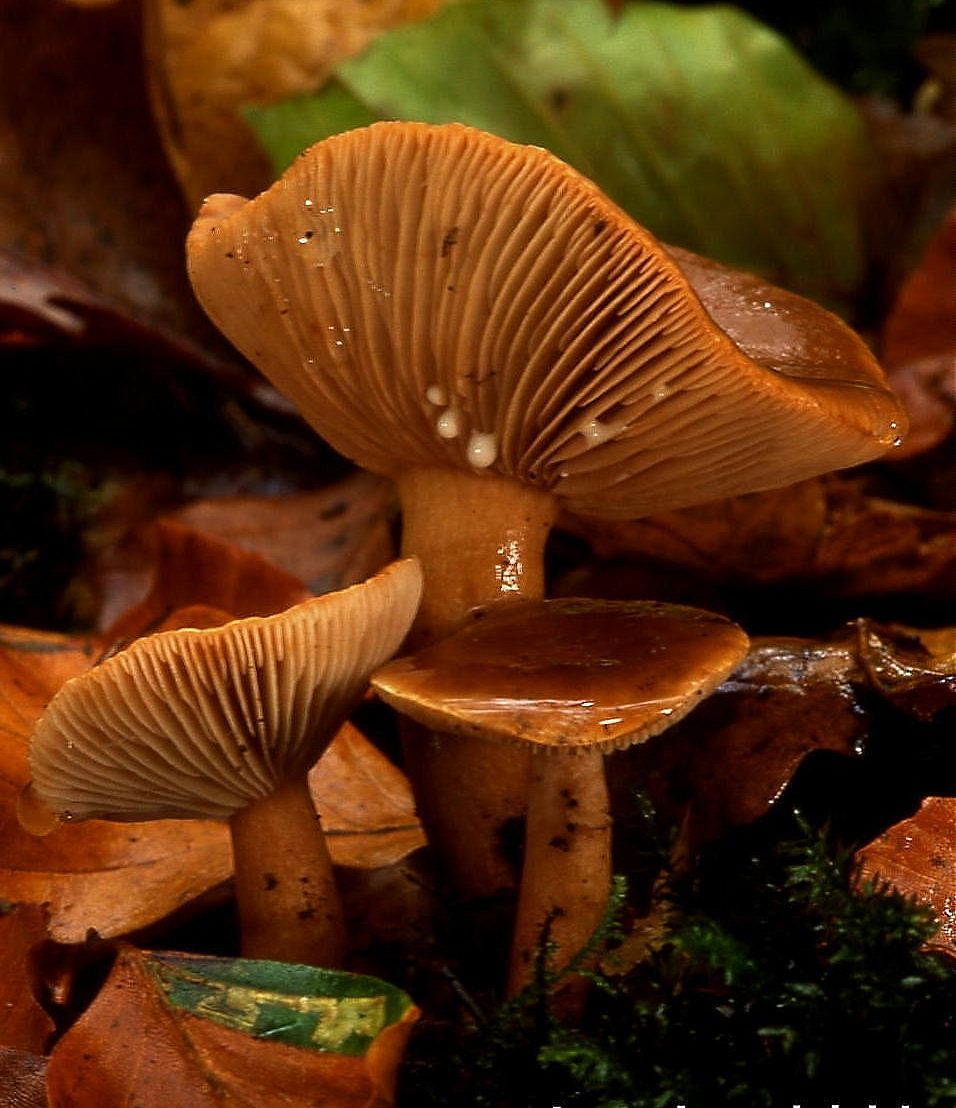
If you have ever kicked a puffball and watched a brown cloud drift away, or noticed a dusty film beneath a mushroom on your kitchen table, you may have wondered whether those spores are safe to breathe. The short answer is that for the vast majority of people, ordinary exposure to mushroom spores is harmless. Fungal spores are among the most common particles in the air we breathe, and people have been inhaling them every day for as long as there have been people. That said, there are a few specific situations where spores can cause real health problems, and it helps to understand what spores are before looking at the risks.
Spores are the microscopic reproductive units of fungi, roughly comparable in purpose to seeds, although they are far simpler and smaller. A single gilled mushroom can release enormous numbers of them from the surfaces of its gills, pores or spines, and many species shoot their spores off actively before air currents carry them away. Because of this, outdoor air in temperate regions such as the United States, United Kingdom, Canada and Australia almost always contains fungal spores, with levels often rising in humid weather, after rain and during the late summer and autumn mushroom season. Much of what is counted in airborne spore surveys comes from moulds such as Cladosporium and Alternaria, but spores from mushroom-forming fungi, known as basidiospores, are also common, particularly on damp nights and early mornings.
The most common way spores affect health is through allergies. Some people are sensitised to fungal spores and react with sneezing, a runny nose, itchy eyes or worsening asthma, much as others react to pollen. Mould spores are the better-studied culprits, but basidiospores from mushrooms and bracket fungi have also been linked to seasonal allergy and asthma symptoms in sensitive people. If you notice that your symptoms flare during damp autumn weather or after walking in woodland, it is worth mentioning to your doctor, who can arrange allergy testing. For people without spore allergies, the spores released by mushrooms in a lawn, flowerbed or forest are not considered a health concern.
Heavy, concentrated exposure is a different matter. Workers in commercial mushroom-growing facilities, where huge quantities of spores and other organic dust can build up indoors, have developed a condition called hypersensitivity pneumonitis, sometimes referred to as mushroom worker's lung. This is an immune reaction in the lungs that can cause coughing, breathlessness, fever and fatigue, and it is the reason growing operations use ventilation and protective masks. A related cautionary example comes from puffballs. A rare condition called lycoperdonosis has been reported in people, including children, who deliberately inhaled large amounts of puffball spores, sometimes because of a folk belief that it could stop nosebleeds. Kicking an old puffball on a walk is not the same as breathing in a mouthful of spores, but puffball spores should never be sniffed, snorted or inhaled on purpose.
Many people also worry about the spores of poisonous mushrooms. Species such as the death cap, Amanita phalloides, contain toxins in their tissues that are dangerous when eaten, but there is no good evidence that brushing past one or breathing near one poisons people through its spores in normal outdoor settings. Handling a toxic mushroom is generally not dangerous either, though it is sensible to wash your hands afterwards and keep young children and pets away from wild fungi, since swallowing even a small piece of some species can be life-threatening. It is equally important to avoid the opposite mistake: the fact that a mushroom seems harmless to touch or smell tells you nothing about whether it is safe to eat. Only an expert who has examined the actual specimen can confirm edibility, and some deadly species closely resemble popular edible ones. If anyone may have eaten a wild mushroom, call poison control or emergency services immediately and keep a sample of the mushroom, rather than waiting to see whether symptoms appear.
Indoors, the bigger concern is usually mould rather than mushrooms. Mushrooms growing from damp carpets, bathroom corners or potted plants signal moisture problems, and persistent damp can encourage moulds that worsen allergies and asthma. People with weakened immune systems, severe lung disease or other serious health conditions should take extra care with heavy fungal exposure of any kind and follow their doctor's advice. For everyone else, simple habits are enough: avoid deliberately inhaling spores, ventilate damp rooms, wash your hands after handling wild mushrooms or making a spore print, and consider a dust mask if you are clearing large amounts of mouldy or fungus-covered material.
If you have found a mushroom and want to know what it is, identification is far more useful than worrying about its spores. Take clear photos of the top of the cap, the gills or pores underneath, and the full stem including its base, which may need gently digging out to reveal features such as a volva. Shroomly can then suggest likely species and flag toxic look-alikes, giving you a starting point and a better idea of whether the fungus is one to keep children and pets away from. Treat any app result as a guide rather than a verdict, and confirm the identification with a local mycological society or an experienced expert who can examine the actual specimen.