


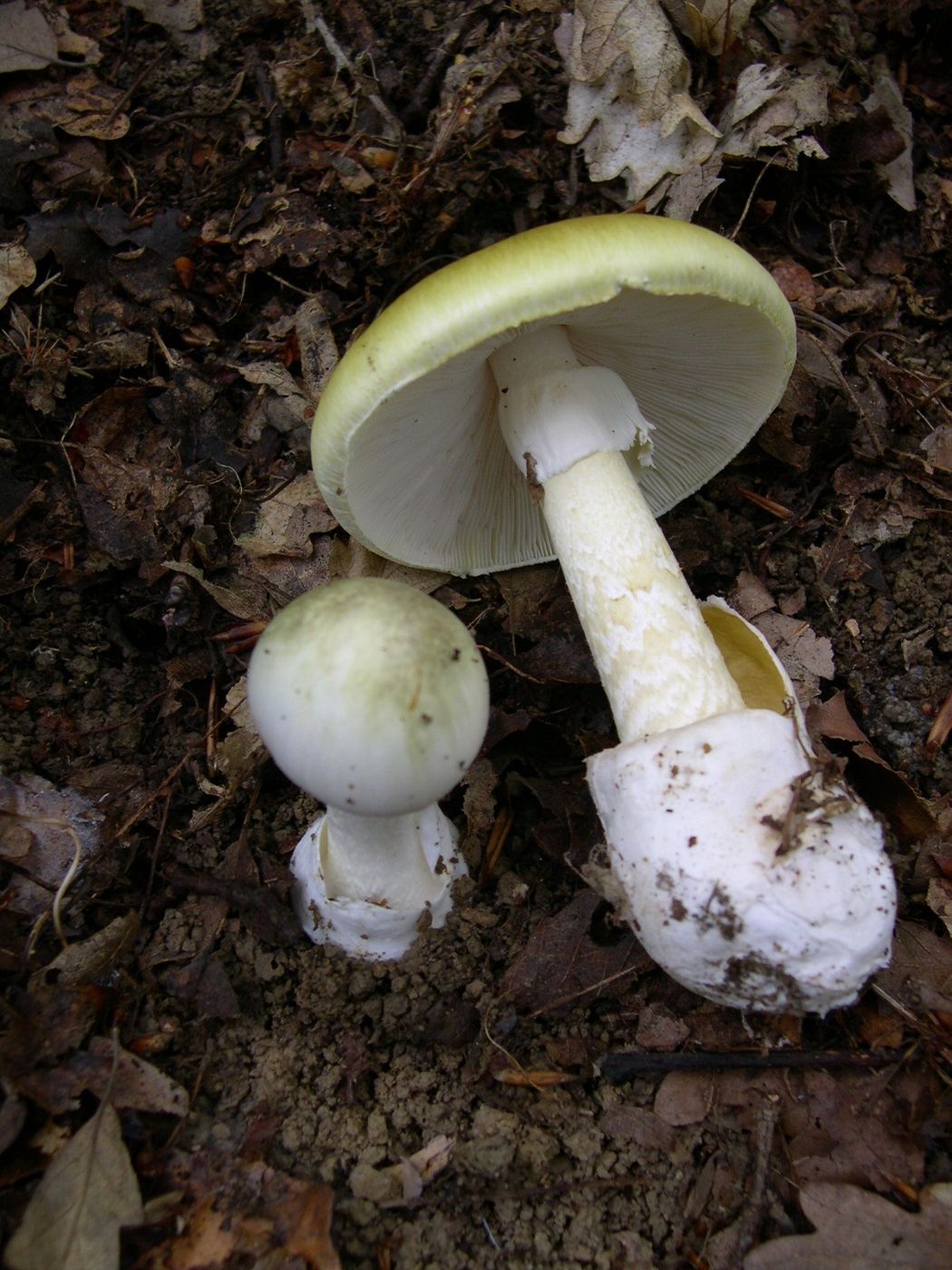
For centuries, folklore has attempted to create simple rules of thumb to separate edible mushrooms from poisonous ones. Generations of foragers passed down tales suggesting that dangerous fungi always have bright warning colors, a bitter taste, an unpleasant odor, or a pointed cap. In reality, nature does not label toxic mushrooms with universal warning signs. Some of the most deadly fungi on Earth, including the notorious death cap (Amanita phalloides) and the destroying angel (Amanita bisporigera), are unassuming, elegant mushrooms with neutral white or greenish caps and a mild, pleasant smell. There is no biological rule or visual shortcut that universally separates harmless species from dangerous ones.
Among the most pervasive and hazardous misconceptions are traditional kitchen tests, most notably the belief that a silver spoon, coin, or clove of garlic placed in the cooking pot will turn black in the presence of toxins. This myth likely originated from ancient beliefs about heavy metals and sulfur compounds, which can tarnish silver under specific conditions. However, the deadly amatoxins found in Amanita species and the lethal toxins in webcaps (Cortinarius species) contain no chemical compounds that react with silver. Cooking a lethal mushroom with silver leaves the utensil completely untarnished, giving foragers a false sense of security that has repeatedly resulted in tragedy. Similarly, the belief that boiling mushrooms in salt water, vinegar, or milk neutralizes fungal toxins is entirely untrue, as many deadly fungal poisons are heat-stable and chemically resistant to common culinary preparations.
Another widespread belief suggests that if the skin of a mushroom's cap peels away cleanly like an apple, the specimen is safe to eat. In truth, many deadly Amanita species, including the death cap, have caps with cuticle layers that peel away with remarkable ease, while several harmless mushrooms have fibrous caps that tear rather than peel. Relying on taste or smell is equally catastrophic. While some mildly toxic fungi do produce peppery, acrid, or foul-smelling compounds, several lethal mushrooms have been described by survivors of severe poisonings as sweet-smelling, mild, and delicious. Never attempt a nibble test or taste an unknown wild mushroom, as ingesting even a minute fragment of certain deadly species can cause permanent organ damage or death.
Many outdoor enthusiasts also assume that watching local wildlife can provide a reliable safety gauge, reasoning that if deer, squirrels, birds, or slugs are eating a wild mushroom, it must be safe for human consumption. This assumption ignores the fundamental differences between human physiology and animal digestion. Slugs, insects, and rodents possess distinct digestive enzymes, protective gut bacteria, and metabolic pathways that allow them to process complex fungal poisons without harm. Slugs and maggots frequently devour death caps and deadly webcaps down to the stem while remaining completely unaffected. In humans, however, those same fungal peptides disrupt protein synthesis and induce catastrophic liver and kidney failure.
The danger of relying on false rules of thumb is magnified by the deceptive progression of fungal poisoning. Less dangerous mushrooms that cause simple gastrointestinal irritation often trigger nausea and vomiting within thirty minutes to two hours after consumption. By contrast, amatoxin-containing species often induce a deadly delay; severe symptoms may not appear until six to twenty-four hours after ingestion, by which time the toxins have already begun destroying liver cells. If you or anyone you know suspects that a wild mushroom has been ingested, do not wait for symptoms to develop or rely on home remedies. Call your regional poison control center or emergency services immediately, and preserve any remaining raw specimens, scraps, or photographs so medical professionals and toxicologists can determine appropriate treatment.
Because there are no shortcuts, reliable mushroom identification demands examining every anatomical feature of a specimen in detail, including the shape of the cap, the attachment of the gills or pores, the texture of the stem, and the presence of a stem ring or volva cup buried at the base. Before touching an unknown fungus, take clear, well-focused photographs of the upper cap, the gills or pores underneath, and the intact base of the stem. You can upload these images to Shroomly to explore likely species, study anatomical features, and learn about dangerous look-alikes found in your region. However, no application, photograph, or rule of thumb can replace physical confirmation. Never eat any wild mushroom unless a local mycological society or experienced expert has physically inspected the actual specimen in person.