


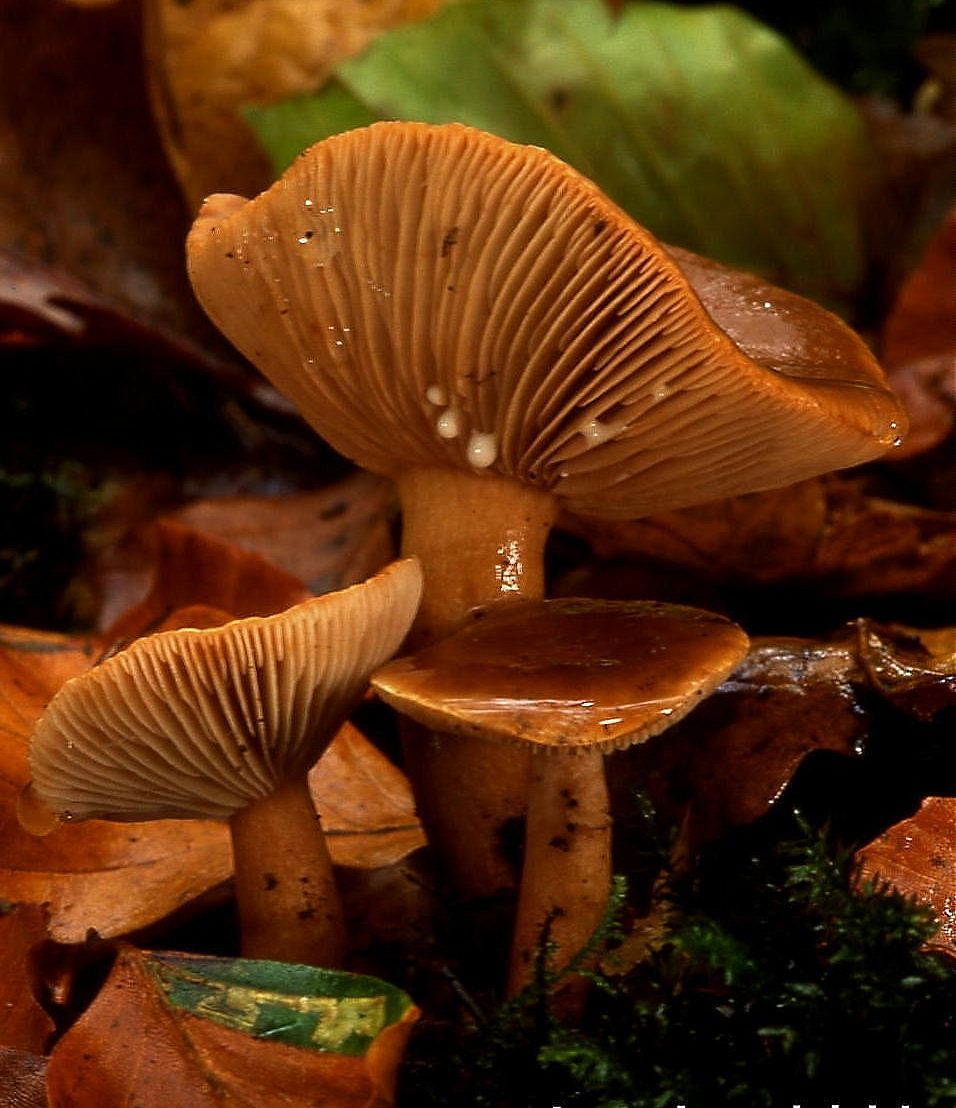
When you find a wild mushroom in the woods or lawn, looking only at the color and shape of its cap reveals just a fraction of its identity. To begin narrowing down what you have discovered, you must carefully turn the specimen over and inspect the fertile spore-bearing surface beneath the cap, known scientifically as the hymenophore. This underside is where the fungus develops microscopic spores that will carry its genetic material on the wind. While many people picture the classic blade-like gills of a supermarket button mushroom, wild fungi display a fascinating variety of spore-releasing architectures, the most common of which are gills and pores.
Gills are thin, knife-like vertical plates of tissue that radiate outward from the central stem toward the outer margin of the mushroom cap. Fungi in the order Agaricales, which include familiar field mushrooms (Agaricus campestris), brittlegills (Russula), and deadly amanitas (such as Amanita phalloides), rely on gills to maximize the surface area available for spore production. Millions of microscopic reproductive cells, called basidia, line both faces of every single gill blade. When spores mature, they launch into the narrow spaces between gills and fall downward, caught by ambient air currents beneath the cap. Mycologists examine gill spacing, thickness, and how the blades attach to the stem to distinguish between closely related species.
Pores, by contrast, present a completely different architecture that looks spongy or honeycomb-like to the naked eye. Instead of flat blades, pore-bearing mushrooms produce hundreds of vertical cylinders tightly packed side by side, resembling a dense bundle of tiny drinking straws. The pores visible on the mushroom's underside are simply the open ends of these downward-facing tubes, whose interior walls are coated with spore-producing basidia. Boletes, including the renowned porcini (Boletus edulis) and slippery jack (Suillus luteus), possess soft, fleshy pore layers that often peel away easily from the cap tissue. Meanwhile, woody bracket fungi, known as polypores, feature rigid pore surfaces that are permanently fused to tough, leathery caps.
Complicating the picture for beginner foragers, some wild fungi possess under-cap structures that blur these boundaries or depart from them entirely. Chanterelles (Cantharellus cibarius) do not have true gills or pores; instead, their undersides are covered in shallow, blunt ridges or folds that fork irregularly and run down the stem. Hedgehog mushrooms (Hydnum repens) and lion's mane (Hericium erinaceus) produce downward-pointing icicle-like teeth or spines rather than tubes or blades. To make things even more challenging, certain bracket fungi feature angular, labyrinthine openings known as daedaleoid pores that wind back and forth so intensely that they can superficially mimic deformed gills. Paying close attention to texture, depth, and branching helps you determine which structure you are actually observing.
A widespread and dangerous foraging myth claims that any mushroom with pores instead of gills is inherently safe to eat. This rule of thumb is completely false and has caused numerous severe poisonings. Several pore-bearing boletes, such as the Satan's bolete (Rubroboletus satanas), contain gastrointestinal toxins that cause violent vomiting, abdominal cramping, and severe dehydration. Similarly, relying on folk tests—such as watching whether forest animals nibble a mushroom, boiling it with a silver coin, or assuming peeling caps indicate safety—provides zero protection against dangerous toxins. If anyone ever ingests an unknown wild mushroom and experiences illness, do not wait for symptoms to worsen or attempt home remedies; contact poison control or emergency medical services immediately and preserve the remaining specimen for expert identification.
Understanding the difference between gills and pores is a foundational skill in field mycology, but it is never enough to determine edibility on its own. Lethal toxins like amatoxins appear primarily in gilled species, yet harmless and toxic species regularly co-occur within the same genus and share identical broad anatomical traits. Never consume any wild mushroom based on an automated tool, a mobile photo, or an amateur diagnosis. Many deadly mushrooms bear an uncanny resemblance to popular edible varieties, and only a qualified mycological expert who has physically inspected the fresh specimen in hand can safely verify a species.
Whenever you encounter an interesting wild mushroom, documenting its structural details with thoughtful photography is the best way to start learning. Gently capture crisp photos showing the top and margin of the cap, the underside revealing the gills or pores and their attachment to the stalk, and the full stem down to the ground level, being careful not to cut off any subterranean cup or bulb. Submitting clear multi-angle photos to Shroomly helps the app evaluate the specimen's key morphological features, suggest likely species, and highlight dangerous look-alikes. You can then take those informed leads to your local mycological society or regional expert to confirm the identity with certainty.