


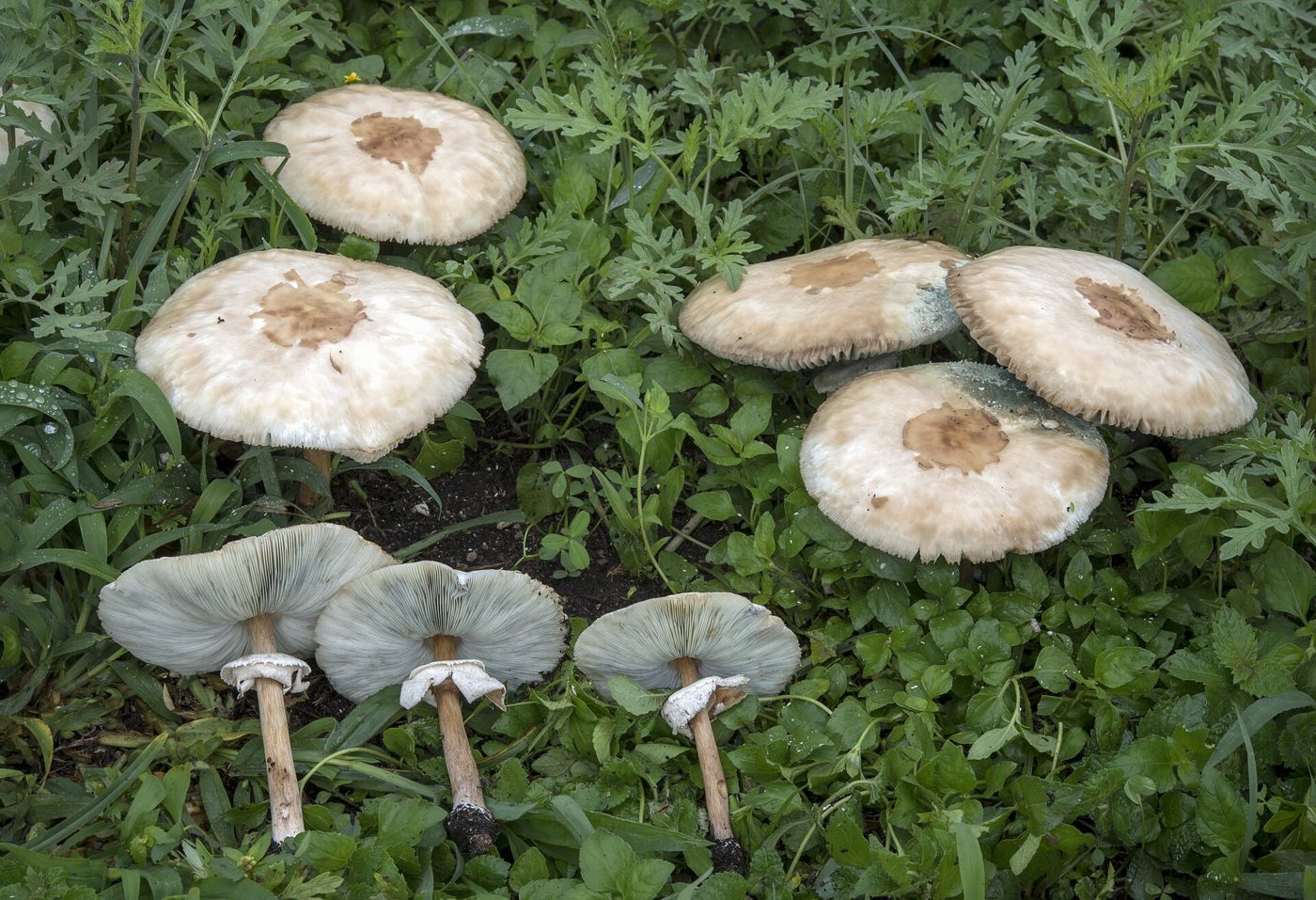
Chickens are curious foragers. They scratch, peck and sample almost anything that appears in their run, so it's no surprise that many backyard keepers find their flock investigating mushrooms after a wet spell. The worry is reasonable. Many wild fungi are harmless, but some contain toxins that can harm or kill animals, and birds are not automatically protected. There is far less research on mushroom poisoning in poultry than in dogs or people. The safest approach is to treat any wild mushroom in or near a chicken run as potentially dangerous unless an expert has identified it.
A common belief is that chickens instinctively know which mushrooms to leave alone. There is no good evidence for this, and it's the same flawed logic behind the folk idea that a mushroom is safe if animals eat it. Animals vary widely in how they respond to fungal toxins. Some of the deadliest species, such as the death cap (Amanita phalloides) and the destroying angels (Amanita virosa and related species), contain amatoxins that cause delayed, severe liver damage. These toxins are not neutralized by cooking, drying or digestion. A chicken pecking at a mushroom tells you nothing about whether it is safe for the flock, and certainly nothing about whether it is safe for you.
The mushrooms most likely to turn up around poultry depend on the setting. Lawns and grassy runs often produce species such as the green-spored parasol (Chlorophyllum molybdites), a frequent cause of gastrointestinal poisoning in people and pets, and small white Clitocybe species such as the ivory funnel (Clitocybe dealbata), which contains muscarine. Runs bedded with wood chips, straw or shavings can produce large flushes of fungi, including little brown mushrooms that are very hard to identify. Some of these, such as Galerina species, carry the same amatoxins as the death cap. Coops near trees may see Amanita species appear in late summer and autumn, because these fungi form partnerships with tree roots and can fruit some distance from the trunk.
Signs that a bird may have eaten something toxic are often vague. They can include lethargy, sitting fluffed up and hunched, loss of appetite, diarrhea, unsteady walking, tremors, drooling or excess fluid from the beak, unusual breathing, or sudden collapse. With some toxins, symptoms may not appear for many hours. With amatoxins, an animal can seem to improve briefly before liver damage becomes obvious. Because these signs overlap with many other poultry illnesses, the mushroom is easy to miss as the cause. If you see a bird eating a mushroom, or find half-eaten mushrooms in the run alongside a sick bird, don't wait to see what happens. Call a veterinarian, ideally one who treats poultry, or an animal poison control service immediately. Keep a sample of the mushroom, including the whole stem base, wrapped in paper. That sample can make a real difference to the vet's assessment.
Prevention is simple, and it works. After rain, walk the run and the area around the coop and remove any mushrooms you find. Wear gloves, pull up the whole fruiting body including the base, and bag it for the bin rather than tossing it over the fence where birds or pets might reach it. Mushrooms often come back from the same underground mycelium, so check again every day or two during wet weather. Keep bedding as dry as possible and replace it when it becomes damp and matted. Store feed in sealed, dry containers, too. Fungal problems for poultry aren't limited to mushrooms: molds growing in damp feed can produce mycotoxins that are a well-known hazard to birds, so throw out any feed that looks clumped, discolored or musty.
The same caution applies to the people in the household. A mushroom that grows in your chicken run is not safer to eat because the birds ignored it or pecked at it without obvious harm. Smell, color, peeling the cap and the silver spoon test are all unreliable folk methods. Some deadly species look strikingly like popular edible ones, and only an expert who has examined the actual specimen can confirm whether a wild mushroom is edible. Children who help with the chickens should be taught to leave mushrooms alone and tell an adult when they spot them.
If mushrooms keep appearing around your coop and you want to know what you're dealing with, a good identification is a useful starting point. Photograph the top of the cap, the gills or pores underneath, and the base of the stem after gently digging it out, since a sac-like volva or bulb can be a key warning sign. Shroomly can suggest likely species from those photos and flag toxic look-alikes, which helps you judge how urgently to clear an area or talk to your vet. Treat the result as a guide, not a verdict. For a confident identification, have the specimen checked by a local mycological society or an experienced expert, and if a bird may have eaten it, call your vet or animal poison control first.