


Every autumn, horse owners walking their paddocks after a spell of wet weather find mushrooms popping up along fence lines, under hedges and around old tree stumps, and the same worried question follows: will my horse eat these, and could they hurt it? The short answer is that some wild mushrooms are capable of poisoning horses, and a small number are capable of causing serious or fatal organ damage. At the same time, confirmed cases of mushroom poisoning in horses appear to be uncommon in the veterinary literature, partly because most horses are selective grazers that tend to ignore mushrooms when good grass and hay are available. That combination of low frequency and high potential severity is exactly why it pays to understand the risk rather than either panic or dismiss it.
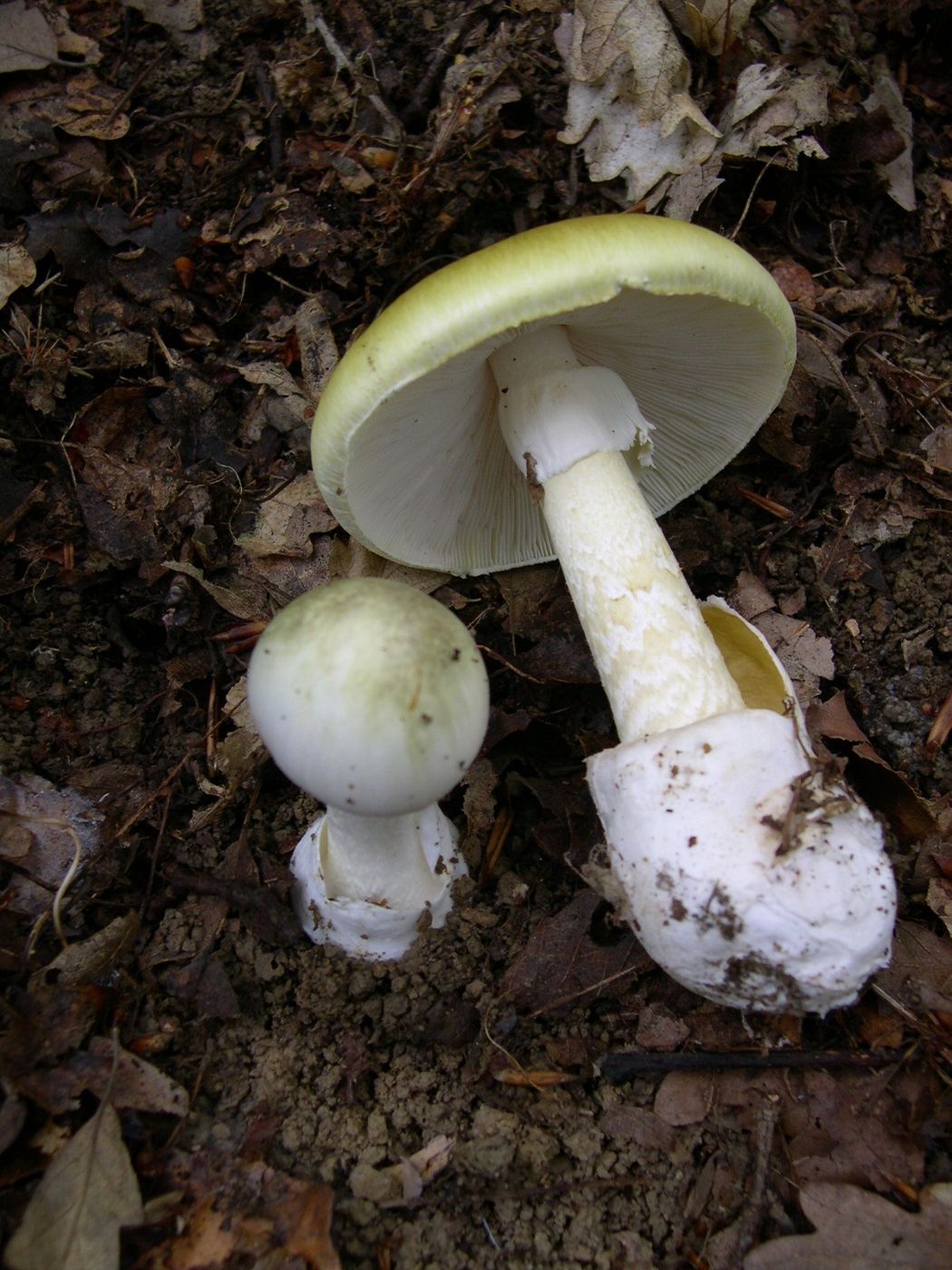
The species of greatest concern are the same ones that are dangerous to people and other animals. The death cap (Amanita phalloides) and the destroying angels (Amanita virosa in Europe, Amanita ocreata and Amanita bisporigera in North America) contain amatoxins, which damage the liver and kidneys and do not break down with drying or heat. Death caps form partnerships with trees, especially oaks, so they often appear at the edges of paddocks or in wooded turnout areas rather than in open grass. The fly agaric (Amanita muscaria) and the panther cap (Amanita pantherina) contain ibotenic acid and muscimol, which affect the nervous system. Small brown wood-growing species such as the funeral bell (Galerina marginata) also contain amatoxins and can grow on rotting logs, fence posts or wood chip. Many other pasture mushrooms are likely to cause digestive upset at most, but because horses cannot vomit and are prone to colic, even a mild gastrointestinal irritant is not something to take lightly.
Several situations make it more likely that a horse will actually eat a mushroom. Overgrazed or drought-stressed pasture leaves horses picking at whatever is left, and mushrooms can be swallowed along with mouthfuls of short grass. Bored horses on restricted turnout sometimes investigate and nibble unfamiliar objects. Young horses are naturally curious. Mushrooms can also be accidentally baled into hay, or grow in damp bedding and around muck heaps, where they may be eaten without any choice on the horse's part. It is also worth remembering that the idea that animals instinctively know which mushrooms are poisonous is a myth; an animal eating a mushroom, or avoiding it, tells you nothing reliable about whether it is toxic.
It helps to separate mushroom poisoning from the broader problem of fungal toxins in feed. Mouldy hay, grain and silage can contain mycotoxins produced by microscopic fungi, and these are a well-recognised cause of illness in horses. That is a separate issue from wild mushrooms in the field, but both point to the same habits: store feed dry, discard anything visibly mouldy or musty, and talk to your vet or a feed specialist if you have doubts about forage quality.
Signs of possible mushroom poisoning in horses vary with the toxin involved and can include colic, diarrhoea, drooling, dullness or depression, loss of appetite, trembling, incoordination, unusual excitability, or yellowing of the gums and eyes. With amatoxins in particular, there can be a delay of many hours before obvious signs appear, and a horse may seem to recover briefly while internal damage continues. This is why you should never wait to see whether symptoms develop. If you see your horse eating a wild mushroom, or find chewed mushrooms in a paddock and your horse seems unwell, call your veterinarian immediately; in the United States you can also contact an animal poison control service, but do not let that delay a call to your vet. Do not attempt home treatment. Pick a sample of the mushroom, including the whole stem base, wrap it in paper rather than plastic, and photograph any remaining mushrooms where they grew, as this can help the vet and an expert identify what was eaten.
Prevention is mostly a matter of routine. Walk your paddocks regularly during mushroom season, especially after rain, and pay particular attention to tree lines, shaded corners, around stumps and anywhere wood chip or old timber lies on the ground. Wearing gloves, remove mushrooms whole and bag them for disposal rather than kicking them over, which simply scatters spores and fragments. Keep pasture well managed so horses are not forced to graze very short, provide adequate hay when grass is poor, and avoid dumping lawn clippings or garden waste where horses can reach it. If death caps or destroying angels turn up repeatedly in one area, consider fencing it off during the autumn flush. None of these steps will eliminate fungi, which are a normal and beneficial part of healthy soil, but they greatly reduce the chance that a dangerous species ends up in your horse.
Knowing what is actually growing in your fields is the most useful first step. When you find mushrooms in a paddock, photograph the top of the cap, the gills or pores underneath, and the full stem including the base, which you may need to gently dig out to see any sac-like volva. Shroomly can suggest likely species from those photos and flag toxic look-alikes, so you can tell whether you might be dealing with an Amanita or another high-risk group. Treat that result as a starting point rather than a verdict, and confirm the identification with a local mycological society or experienced expert who can examine the specimen. If there is any chance your horse has already eaten a mushroom, skip the research and call your veterinarian straight away.