


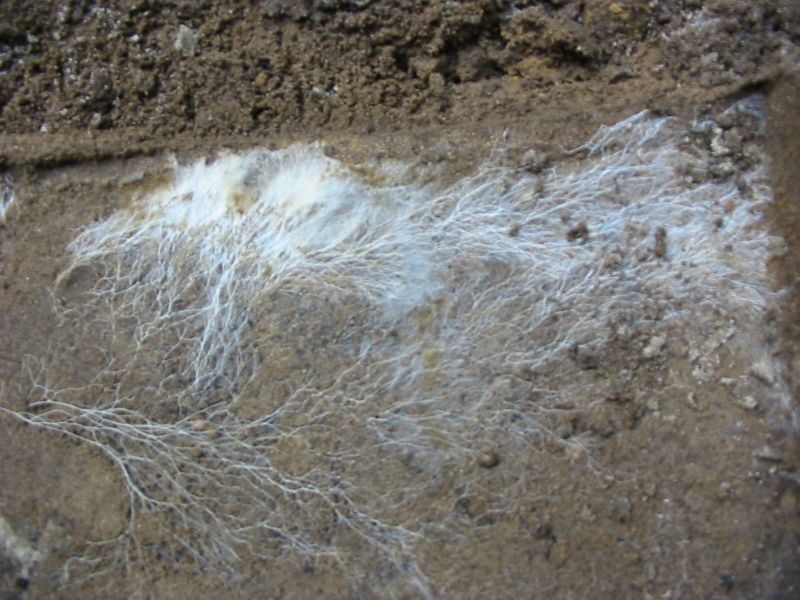
Seeing small mushrooms pop up in a potted plant is unnerving, but it’s usually explainable: commercial potting mixes and homemade soil often contain wood chips, bark, compost or other organic matter that fungi love to break down. When conditions are warm and damp and air circulation is limited, dormant spores or bits of mycelium already in the mix can wake up and produce fruiting bodies — the mushrooms you see above the soil.
Mushrooms themselves are the reproductive structures of fungi; they’re not feeding on your plant the way a root pathogen would. Instead they’re consuming decaying organic matter in the soil. In many cases their presence means decomposition is happening as expected, and the underlying fungal mycelium can even contribute to nutrient cycling. That said, a heavy fungal presence can sometimes appear alongside root rot or other problems if the pot stays waterlogged for long periods, so it’s worth checking the overall potting conditions.
If you don’t want mushrooms in your pots, removal is straightforward. Wear gloves, gently pull up the entire fruiting body and any visible stems, and discard them in an outside trash bin or compost that reaches high enough temperatures to kill spores. Remove and replace the top inch or two of the potting mix where most spores are concentrated, and avoid tossing mushroom bits back into the pot where they can regrow. Sterilize tools between pots if you’re dealing with multiple plants.
Prevention focuses on changing the environment that favors fungi: reduce how often you water and only water when the topsoil is dry, increase airflow around plants, repot into a fresh, well-draining mix if the current soil is old and rich in woody debris, and avoid using outdoor soil that can be full of fungal spores. For persistent problems, repotting with clean containers and fresh sterile mix is the most reliable fix — be careful to remove as much of the old mix and any visible mycelium as possible.
There are a few safety considerations. Some mushrooms that grow in pots are inedible or toxic — never assume a mushroom in potting soil is safe to eat. Keep curious children and pets away from found mushrooms; if ingestion occurs, contact your local poison control center or emergency services immediately and save a sample in a sealed container for identification. Do not rely on folk tests (taste, silver spoon, animals eating them) — these are unreliable and potentially dangerous.
If you want to know what species is growing in your pot, take clear photos of the cap, the gills or pores beneath it, and the base where the stem meets the soil, and upload them to Shroomly to see likely matches and toxic look-alikes. Always confirm identification with a local mycological society or an expert who can examine the actual specimen before making any decisions about edibility or risk.