

Yes — some mushrooms produce a visible, often greenish light that can be seen at night. That light is not heat or electrical discharge; it comes from a controlled chemical reaction inside the fungus. Molecular components called luciferins react with oxygen under the action of an enzyme called luciferase (or equivalent proteins) to release photons. The same general chemistry underlies firefly glow, though the specific molecules and genes differ between insects and fungi.
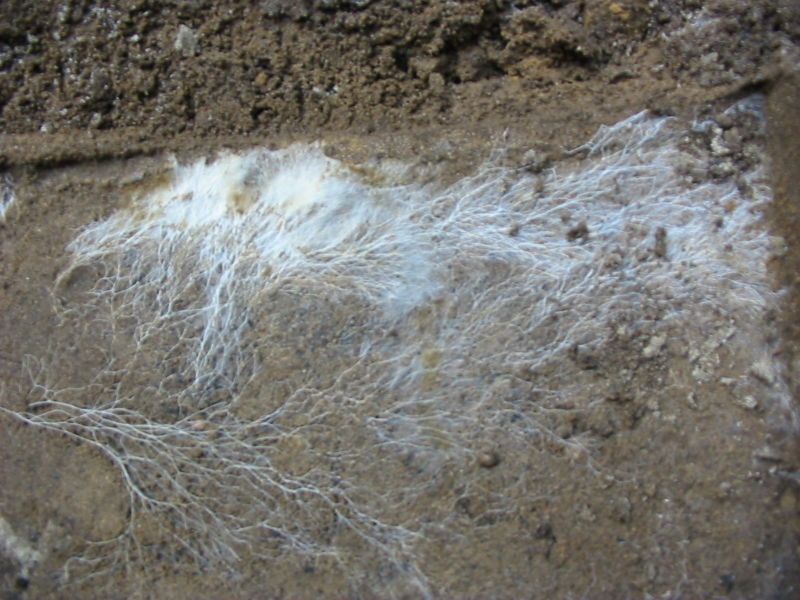
Bioluminescence occurs in a modest but interesting slice of fungal diversity, including species in genera such as Armillaria, Mycena, Omphalotus and Panellus. In many of these species the mycelium (the thread-like fungal network in wood or soil) glows, and in some the fruiting bodies — the mushrooms themselves — are luminous. The intensity, color and pattern of the glow vary by species, the age of the tissue and environmental factors like moisture and oxygen availability, so not every individual or patch will be bright enough to notice.
Why did this evolve? Several hypotheses are supported by observations, though they are not mutually exclusive. One leading idea is the luminous signal attracts nocturnal insects and other small animals that visit the glowing wood or mushrooms and inadvertently carry spores away, increasing dispersal. Another possibility is that light deters some fungivores or signals toxicity. In some wood-decay species the glow seems strongest in actively growing mycelium, which could help coordinate metabolic activity or interact with other microbes, though those functions are harder to prove in nature.
Ecology and context matter. Bioluminescent fungi are most often reported in humid forests and in decaying wood, where a moist, oxygen-exposed environment supports the chemistry and where insect vectors are abundant. Not all glowing reports come from intact, living mushrooms — sometimes only the decomposing tissue or the mycelial mat glows. Also, visibility to humans can be limited: some species glow faintly and are easier to see with the eyes adapted to darkness, while others make striking displays in very dark conditions.
People sometimes wonder whether glowing mushrooms are safe to touch or eat. Do not assume a mushroom is edible because it glows — bioluminescence is unrelated to edibility. Many toxic and non-toxic fungi can be bioluminescent, and only an expert who has examined a specimen in person can confirm edibility. Folk tests such as tasting small amounts, silver spoons, or animals eating a mushroom are unsafe and unreliable. If you suspect mushroom poisoning, contact poison control or emergency services immediately and keep a sample of the mushroom for identification.
If you want to find or document bioluminescent fungi, visit humid wooded areas at night and look for faint greenish light on decaying logs or leaf litter. Photographing them is tricky — long exposures on a tripod or a camera with high ISO settings will capture the glow better than a smartphone flash. When documenting any wild mushrooms, photograph the cap, gills or pore surface, stem and stem base, and the surrounding substrate. Let Shroomly suggest likely species and toxic look‑alikes from your photos, and always confirm with a local mycological society or expert before making any decisions about handling or consumption.