


For centuries, naturalists classified mushrooms alongside plants simply because they emerge rooted in soil and do not roam about the landscape. In grocery stores and culinary traditions, mushrooms are still routinely placed in the produce aisle alongside leafy greens and root vegetables. However, modern evolutionary biology and genetic sequencing have completely dismantled this assumption. In 1969, ecologist Robert Whittaker formally recognized fungi as their own distinct biological kingdom, and subsequent molecular research revealed that mushrooms and other fungi actually diverged from the lineage leading to animals long after plants split away on their own evolutionary branch.
The most fundamental difference between plants and fungi lies in how they obtain energy and nourish their cells. Plants are autotrophs, meaning they contain chlorophyll that captures sunlight to convert water and carbon dioxide into sugars through photosynthesis. Fungi possess no chlorophyll and cannot generate energy from light. Instead, like animals, fungi are heterotrophs that must consume organic carbon from external living or decaying matter. Rather than ingesting food internally as animals do, a fungus grows an expansive network of microscopic threads directly into its food source, secretes digestive enzymes to break down complex molecules into simple nutrients, and absorbs them across its cell membranes.
This close evolutionary kinship with animals is also visible in fungal biochemistry. The rigid cell walls of plants are made primarily of cellulose, whereas fungal cell walls are constructed from chitin, the very same tough structural polysaccharide found in the exoskeletons of insects, spiders, and crustaceans. Furthermore, while plants store excess carbohydrates as starch, both animals and fungi store their surplus energy in the form of glycogen. Fungi also synthesize sterols such as ergosterol, which perform a membrane-stabilizing role analogous to cholesterol in animal cells, rather than the phytosterols characteristic of green plants.
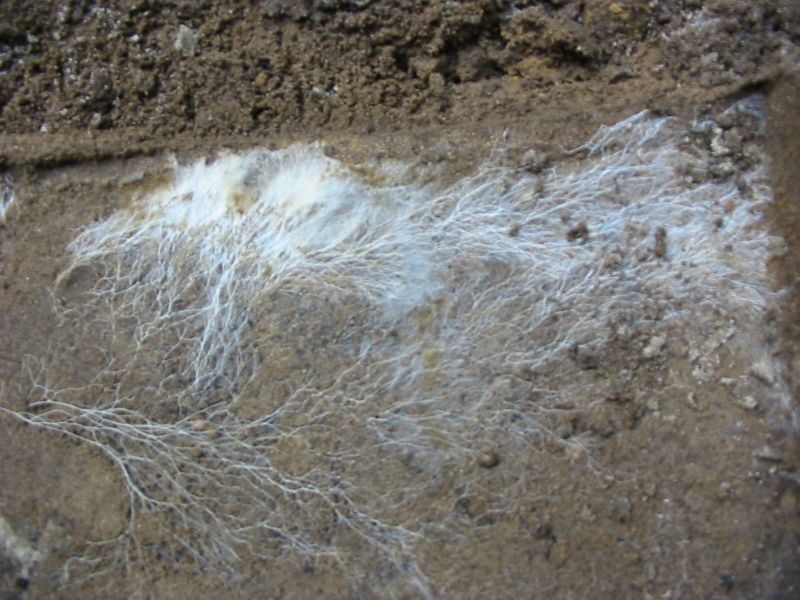
Because mushrooms lack leaves, stems, roots, seeds, and flowers, trying to understand them through plant anatomy often leads to confusion. What people casually refer to as a mushroom is not the whole organism at all, but merely the temporary fruiting body of an extensive subterranean or wood-dwelling network known as mycelium. Much like an apple hanging from a tree branch, the mushroom cap, gills or pores, and stem exist solely to produce and disperse reproductive spores into passing air currents. Beneath the soil or deep inside dead wood, the vegetative mycelium can survive for years, decades, or even centuries, breaking down organic debris and forming vital symbiotic partnerships with the root systems of forest trees.
Understanding that fungi are distinct biological organisms highlights why foragers cannot rely on plant-based assumptions or folk rules when assessing wild mushrooms. Dangerous myths persist, such as believing that toxic mushrooms will tarnish a silver coin, that peeling the cap makes a specimen safe, or that cooking neutralizes all poisons. These tests are completely false. Fungal toxins, such as the lethal amatoxins found in the death cap (Amanita phalloides), are unaffected by boiling, frying, or drying. Furthermore, some deadly species closely resemble popular edible varieties, and only an experienced expert who has examined the physical specimen in detail can confirm whether a wild mushroom is safe. If anyone ever ingests a wild mushroom and poisoning is suspected, contact poison control or emergency services immediately and preserve a physical specimen for expert identification.
Learning to distinguish wild fungi requires paying close attention to specific morphological details that define each species. Because caps can fade with sun exposure or change shape as they mature, accurate identification depends on examining the entire structure. Taking clear photographs of the cap surface, the spore-bearing underside, and the base of the stem where it meets the ground provides crucial diagnostic evidence. Using Shroomly to scan these photographs can help you uncover likely fungal species and flag potential toxic look-alikes. To build your knowledge safely, always verify your finds with a local mycological society or an experienced specialist before drawing firm conclusions in the field.