


Discovering a wild mushroom sprouting from a bathroom baseboard, behind a toilet, between floor tiles, or along the edge of a carpet can be deeply unsettling. While fungi are beneficial decomposers in forests and gardens, their sudden appearance inside a residential living space is a sign of an active structural issue. Unlike surface molds that frequently appear as faint discoloration on bathroom grout or window frames, a fully formed mushroom is a complex reproductive structure known as a fruiting body. Producing a mushroom requires substantial energy and an established vegetative network called mycelium. When a mushroom appears indoors, it is not an isolated seedling that drifted through an open window; it is the visible tip of an extensive fungal network that has been quietly digesting your home's building materials.
To understand why mushrooms appear indoors, one must examine the specific conditions fungi require to grow: food, persistent moisture, and suitable temperatures. Most indoor mushrooms are saprotrophic organisms that feed on dead organic matter. Modern homes are constructed with an abundance of fungal food, including timber wall studs, plywood subflooring, baseboards, the paper facing on drywall, and natural carpet fibers. However, dry building materials cannot support fungal growth on their own. Fungi require continuous moisture to thrive, which is almost always supplied by an undetected plumbing leak, a slow roof leak, an unsealed shower pan, rising foundation damp, or persistent high humidity in poorly ventilated rooms. When structural wood or drywall absorbs this water, dormant fungal spores germinate and spread microscopic threads called hyphae throughout the damp material, breaking down its cellulose and lignin.
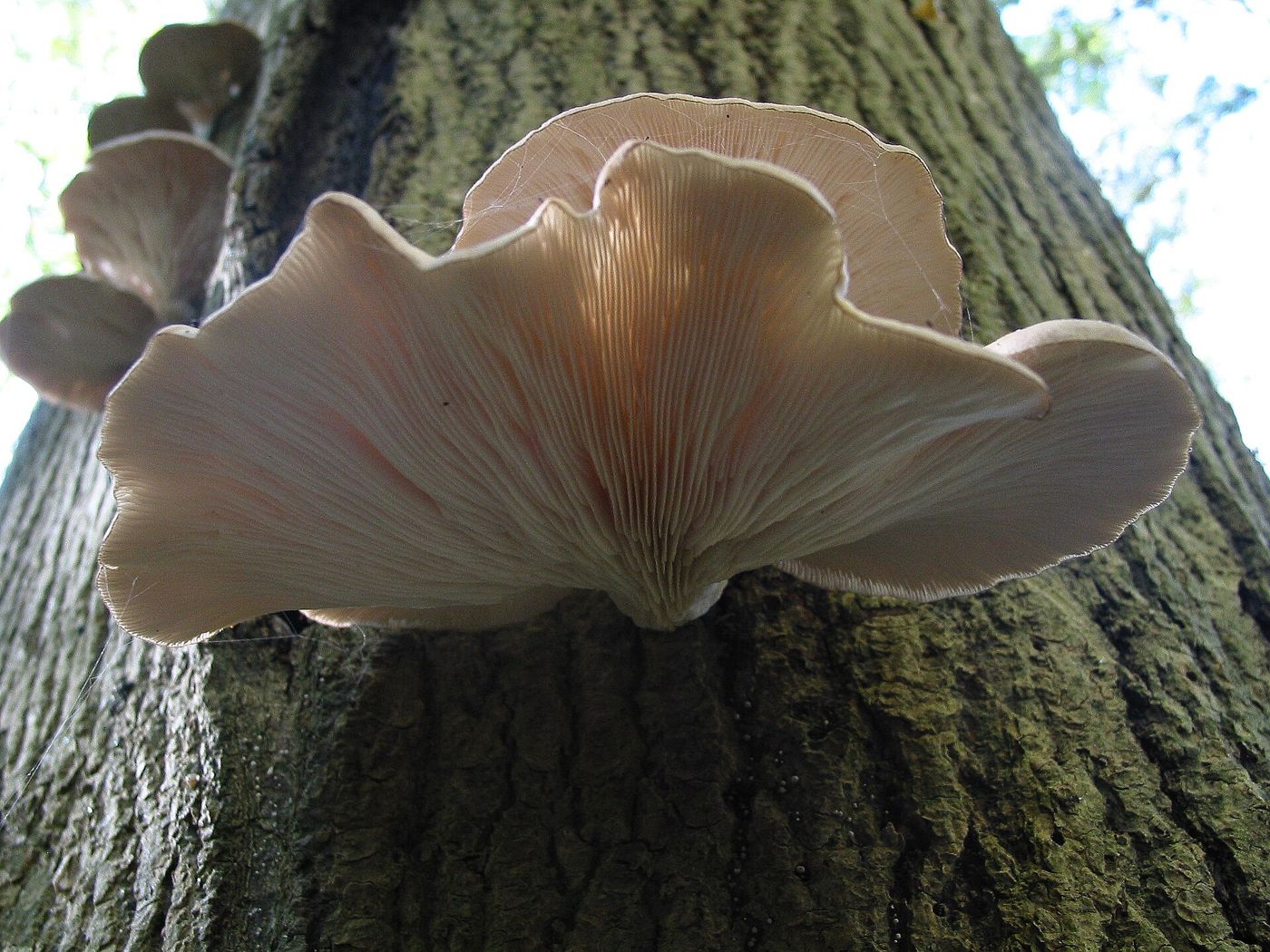
A handful of fungal species are particularly common invaders of water-damaged buildings. One frequent indoor species is the domicile cup fungus, Peziza domiciliana, which produces pale yellowish, tan, or brown rubbery cups on damp drywall, wet carpets, and crumbling plaster. Delicate ink cap species belonging to the family Psathyrellaceae, including the domestic inky cap (Coprinellus domesticus), regularly emerge in dense clusters from moist baseboards and rotted subfloors, bearing grooved caps that rapidly dissolve into black, inky fluid. In cases of prolonged, severe structural leaks, aggressive wood-decaying species such as oyster mushrooms (Pleurotus ostreatus) can produce large, overlapping shelf-like clusters directly from decaying window frames, door jambs, or wet floor joists. Each of these species functions as a biological alert that wood saturation has reached an advanced state.
The most critical fact for any homeowner or tenant to grasp is that simply plucking, scraping, or bleaching the mushroom will not solve the problem. The visible cap and stem represent only a tiny fraction of the fungal biomass, while the vast majority of the living organism remains insulated inside the structural framing where topical cleaners cannot penetrate. Furthermore, conditions that allow mushrooms to fruit almost inevitably foster hidden colonies of hazardous indoor molds, such as Stachybotrys chartarum, Aspergillus, and Penicillium. These molds can disperse millions of microscopic airborne spores and mycotoxins that exacerbate asthma, trigger allergic reactions, and cause persistent upper respiratory irritation. True remediation requires locating and repairing the water source, thoroughly dehumidifying the area, and cutting away and replacing all waterlogged drywall, rotted timber, and compromised insulation.
Indoor mushrooms also present immediate health hazards for households with young children and pets, who often explore their environment by tasting unfamiliar items. Wild mushrooms can contain potent gastrointestinal irritants and toxins, and identifying a specimen's toxicity by sight alone is notoriously difficult. Common folk tests for judging mushroom safety—such as assuming a mushroom is safe if it smells pleasant, believing that cooking or boiling neutralizes all toxins, or thinking peeling the skin off the cap removes poisons—are dangerous myths that should never be trusted. If you suspect that a child or pet has ingested any part of an indoor mushroom, treat it as an emergency. Contact your local poison control center or emergency veterinary clinic immediately, and do not wait for symptoms such as vomiting, lethargy, or abdominal pain to appear. Always collect any remaining mushroom pieces in a paper towel or clean container to help medical personnel identify the fungus.
If you find an unfamiliar mushroom growing inside your home, documenting its physical characteristics before removing it can help professionals assess the species and the extent of the water issue. Take sharp, well-lit photos showing the upper cap surface, the underside detailing whether it features gills, pores, or smooth tissue, and the junction where the stem meets the wall or floor. You can use Shroomly: Mushroom Identifier to compare your photos against known indoor and wild species and review potential toxic look-alikes. However, because toxic mushrooms can look deceptively similar to benign species and visual identification from photographs is never guaranteed, never attempt to taste or eat any indoor mushroom, and always confirm findings with an experienced local mycologist or health professional.