


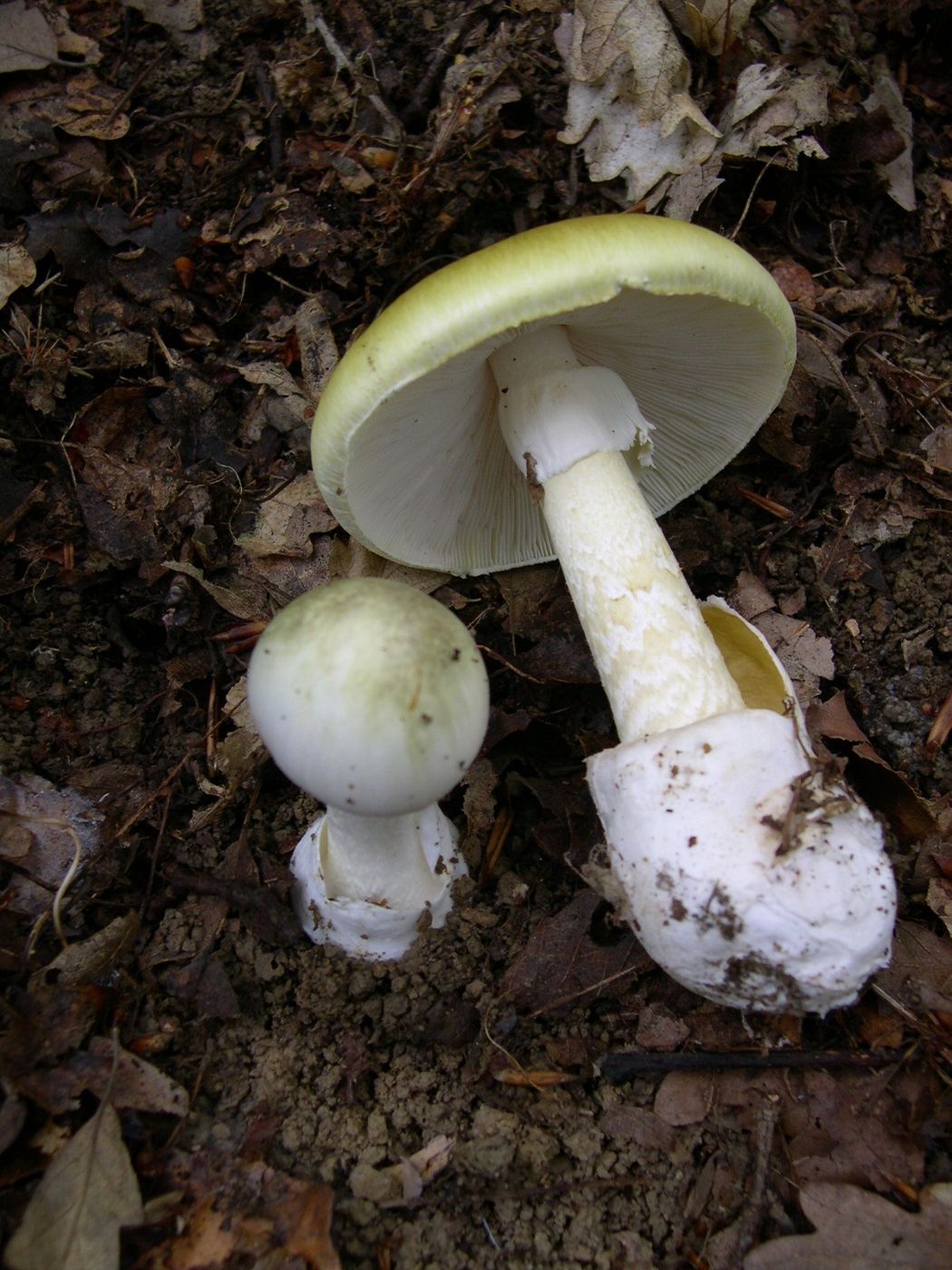
When people search for how mushroom poisoning is treated, they are often frightened and hoping for something they can do at home. The honest answer is that there is no safe home treatment. If anyone, adult, child or pet, may have eaten a wild mushroom that has not been identified by an expert, the only correct step is to call poison control or emergency services immediately and keep a sample of the mushroom. In the United States that means the Poison Help line or 911, in the United Kingdom NHS 111 or 999, in Canada your provincial poison centre or 911, and in Australia the Poisons Information Centre on 13 11 26 or 000. Do not wait to see whether symptoms develop, and do not try to induce vomiting, give remedies or rely on advice from forums. This article explains what generally happens after that call, so you understand why speed and a sample matter so much.
The reason waiting is dangerous is that the most deadly mushrooms often cause no symptoms at first. Species containing amatoxins, such as the death cap (Amanita phalloides), the destroying angels (Amanita virosa, Amanita ocreata and relatives), some small Lepiota species and the funeral bell (Galerina marginata), typically produce gastrointestinal symptoms only many hours after the meal. This may be followed by an apparent improvement while damage to the liver continues. Webcaps such as Cortinarius rubellus and Cortinarius orellanus can take days or even longer to cause kidney symptoms. By the time someone feels seriously ill, a great deal of harm may already have been done. Medical teams cannot reverse what they never get the chance to treat, which is why every guideline stresses acting at the moment of suspected ingestion rather than at the first sign of illness.
Once a person reaches hospital, the first priority is assessment and supportive care. Doctors will ask what was eaten, how much, when, whether anyone else shared the meal and whether alcohol or medicines were involved. They may take blood tests to check liver and kidney function, blood counts and clotting, and they often repeat these over a period of time because some toxins show their effects late. Fluids are commonly given intravenously, because severe vomiting and diarrhoea can cause dangerous dehydration. Depending on timing and the suspected toxin, medical staff may decide to give activated charcoal. This is a clinical decision made by professionals, not something to attempt at home, and it is only one part of a wider plan guided by poison specialists.
For a few types of mushroom poisoning, doctors have more targeted options, although none is a simple universal antidote. In suspected amatoxin poisoning, hospitals may use medicines intended to limit the toxin's uptake by the liver, such as intravenous silibinin where it is available, along with other treatments chosen by toxicologists, and patients are watched closely for signs of liver failure. In the most severe cases, a liver transplant may be the only life-saving option. Muscarine poisoning from some Inocybe and Clitocybe species, which causes heavy sweating, salivation and a slow heart rate, can be treated with medication that blocks those effects. Gyromitrin poisoning from false morels (Gyromitra esculenta) may involve treatment for seizures, and orellanine poisoning from webcaps can require dialysis if the kidneys fail. Many other poisonings, such as those caused by the green-spored parasol (Chlorophyllum molybdites) or the yellow stainer (Agaricus xanthodermus), are mainly gastrointestinal and are managed with fluids and monitoring, but staff can only be confident of that once dangerous species have been ruled out.
This is where the mushroom sample becomes so important. Knowing whether the culprit was an Amanita, a webcap, a fibrecap or a harmless lawn species can completely change how a patient is managed, how long they are observed and whether specialist treatment begins early. If you can, collect any remaining mushrooms, including leftovers, peelings or uncooked pieces, and keep them in a paper bag or container in the fridge rather than a sealed plastic bag where they quickly turn to mush. Take photos of any similar mushrooms still growing where the one eaten was found, showing the cap, gills and especially the stem base, because features like a volva are easily left in the ground. Hand all of this to the medical team. Poison centres can often connect hospitals with mycologists who examine samples or photos to help confirm the species.
It is also worth clearing up a few dangerous misunderstandings. Feeling fine after eating a wild mushroom is not reassurance, because some lethal species cause delayed symptoms. Cooking, drying or freezing does not destroy amatoxins or orellanine. Folk tests, such as a silver spoon turning dark, a cap that peels easily, a pleasant smell or seeing animals eat the mushroom, cannot tell you whether a mushroom is safe, and many people have been poisoned after trusting them. Only an expert who has examined the actual specimen can confirm whether a wild mushroom is edible, and several deadly species closely resemble popular edible ones, including field mushrooms, paddy straw mushrooms and puffballs at the button stage.
The best treatment for mushroom poisoning is never needing it. If you want to know what is growing in your garden, local park or woodland, photograph the cap from above, the gills or pores underneath and the whole stem down to the base, then let Shroomly suggest likely species and highlight any toxic look-alikes to watch for. Treat that result as a starting point for learning, not as permission to eat anything, and confirm the identification with a local mycological society or experienced expert who can examine the mushroom in person. And if anyone ever does swallow a wild mushroom that has not been expertly identified, skip the app and the guesswork entirely: call poison control or emergency services straight away and keep a sample for the professionals.