


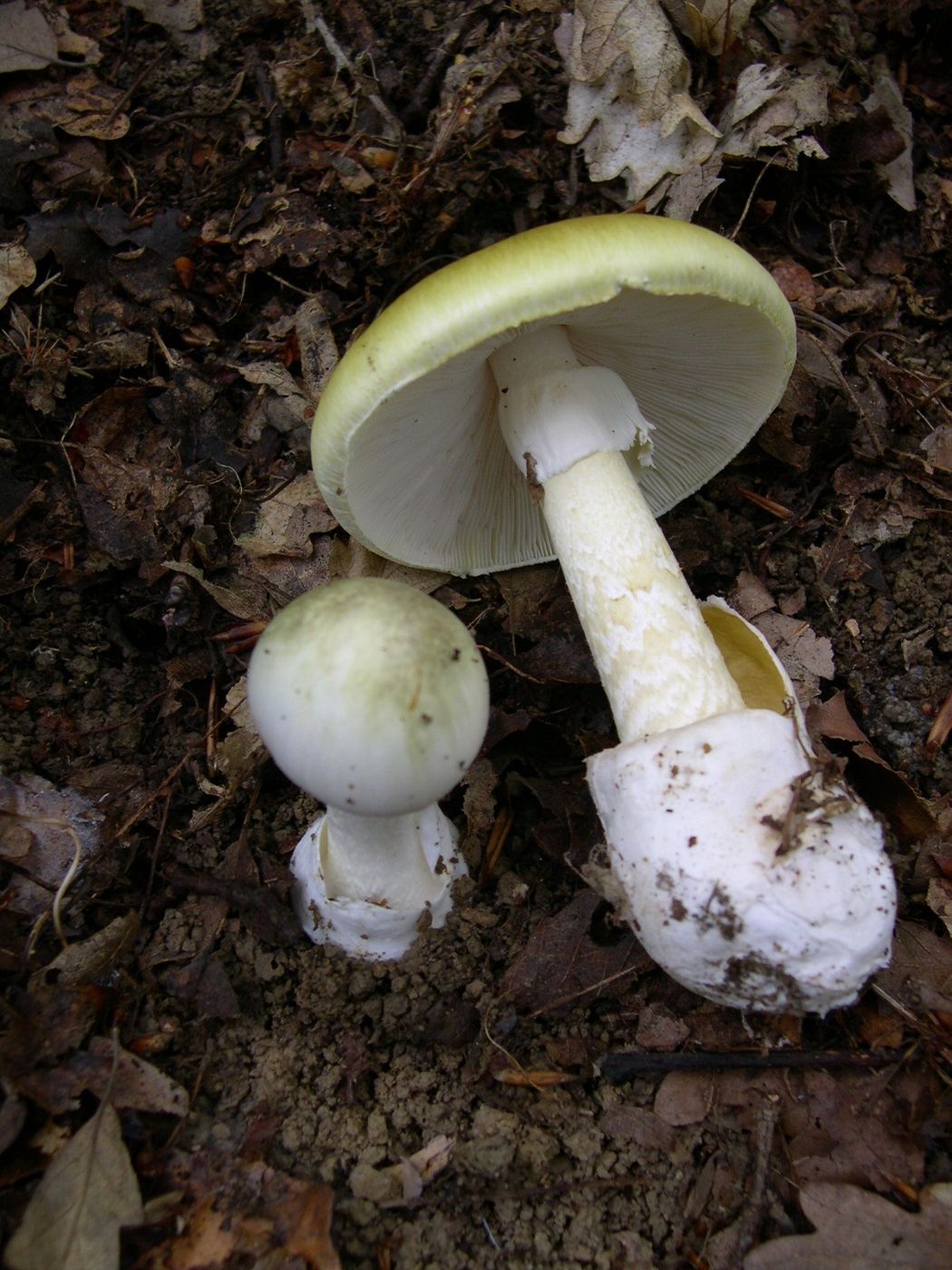
Every autumn, more people head into woods, parks and fields hoping to find wild mushrooms, and one of the most common questions they type into a search bar is whether foraging is actually safe. The honest answer is that foraging as an activity can be safe, but eating what you find carries real risk. Most wild mushrooms are not deadly, yet a small number of species can cause severe organ damage or death, and several of those look strikingly similar to mushrooms that people collect for the table. The death cap, Amanita phalloides, is thought to be responsible for the majority of fatal mushroom poisonings worldwide, and many of those cases involved people who believed they had picked something familiar. Safety in foraging comes down to habits and humility rather than luck.
The first and most important rule is simple: never eat a wild mushroom unless its identity has been confirmed by an experienced expert who has examined the actual specimen in hand. A confident guess, a match in a field guide, a friend's opinion or a result from an identification app is a starting point for learning, not permission to eat. Deadly species are not always dramatic in appearance. Destroying angels such as Amanita virosa are plain white and can be mistaken for field mushrooms or button mushrooms, the deadly funeral bell, Galerina marginata, can grow alongside honey fungus on wood, and young Amanita buttons can resemble puffballs. People who have foraged in other countries are at particular risk, because a mushroom that looks like a safe species from their home region may be a dangerous local look-alike, as happens when the death cap is confused with the paddy straw mushroom, Volvariella volvacea.
The second rule is to forget the folk tests entirely. There is no reliable shortcut for telling a poisonous mushroom from an edible one. A silver spoon or coin does not darken in the presence of toxins, peeling the cap tells you nothing, a pleasant smell or mild taste is no guarantee, and the fact that slugs, squirrels or deer have nibbled a mushroom does not mean it is safe for people, since many animals tolerate toxins that harm humans. Bright colors do not reliably signal danger either, and dull white or brown mushrooms include some of the most lethal species known. Cooking, drying or freezing also does not destroy the amatoxins found in death caps and destroying angels. Any rule of thumb that promises to sort good from bad in one step should be treated as a myth.
Good collecting practice is the third pillar of safety. When you pick a mushroom for identification, dig out the whole thing, including the very base of the stem, because features such as a sac-like volva hidden under the soil are critical for recognizing deadly Amanita species. Note the habitat, what trees are nearby and whether it was growing on wood, soil or grass. Keep each unknown species separate in its own paper bag or container so that fragments of one cannot get mixed in with another, and wash your hands after handling unknown fungi before eating or touching your face. Avoid collecting from roadsides, industrial sites, golf courses or lawns that may have been treated with chemicals, as mushrooms can accumulate pollutants. Always check local rules too, since some parks, nature reserves and public lands restrict or prohibit picking.
Even correctly identified mushrooms can cause problems for some people. Individual sensitivities and allergic-type reactions occur, some species cause digestive upset when eaten raw or in poor condition, and certain mushrooms, such as the common ink cap, Coprinopsis atramentaria, react badly with alcohol. Old, waterlogged or insect-damaged specimens can also make people ill regardless of species. This is another reason why edibility decisions belong with experienced local experts, such as members of a mycological society, who understand regional species and their quirks. Many societies run guided forays and identification sessions, which are the best way for beginners to build real skill under supervision.
If children or pets come with you, extra caution is needed. Young children may put mushrooms in their mouths, and dogs in particular are frequently poisoned by mushrooms found on walks or in gardens. Keep a close eye on them, teach children not to touch or taste wild fungi, and clear mushrooms from areas where they play. If anyone, human or animal, may have eaten a wild mushroom, call poison control, your vet or emergency services immediately, even if they seem perfectly well, because some of the most dangerous poisonings have a delay of many hours before symptoms appear. Keep a sample of the mushroom, or what remains of it, to help professionals identify what was eaten. Do not attempt home treatment or wait to see whether symptoms develop.
The safest way to enjoy foraging is to focus on learning to recognize mushrooms rather than rushing to collect them for food. When you find something interesting, photograph the cap from above, the gills or pores underneath and the full stem including its base, then let Shroomly suggest likely species and highlight any toxic look-alikes you should rule out. Use those suggestions to guide your reading and your questions, and then confirm the identification with a local mycological society or an experienced expert who can examine the specimen in person. An app can help you learn faster and notice the features that matter, but it cannot tell you a wild mushroom is safe to eat.