


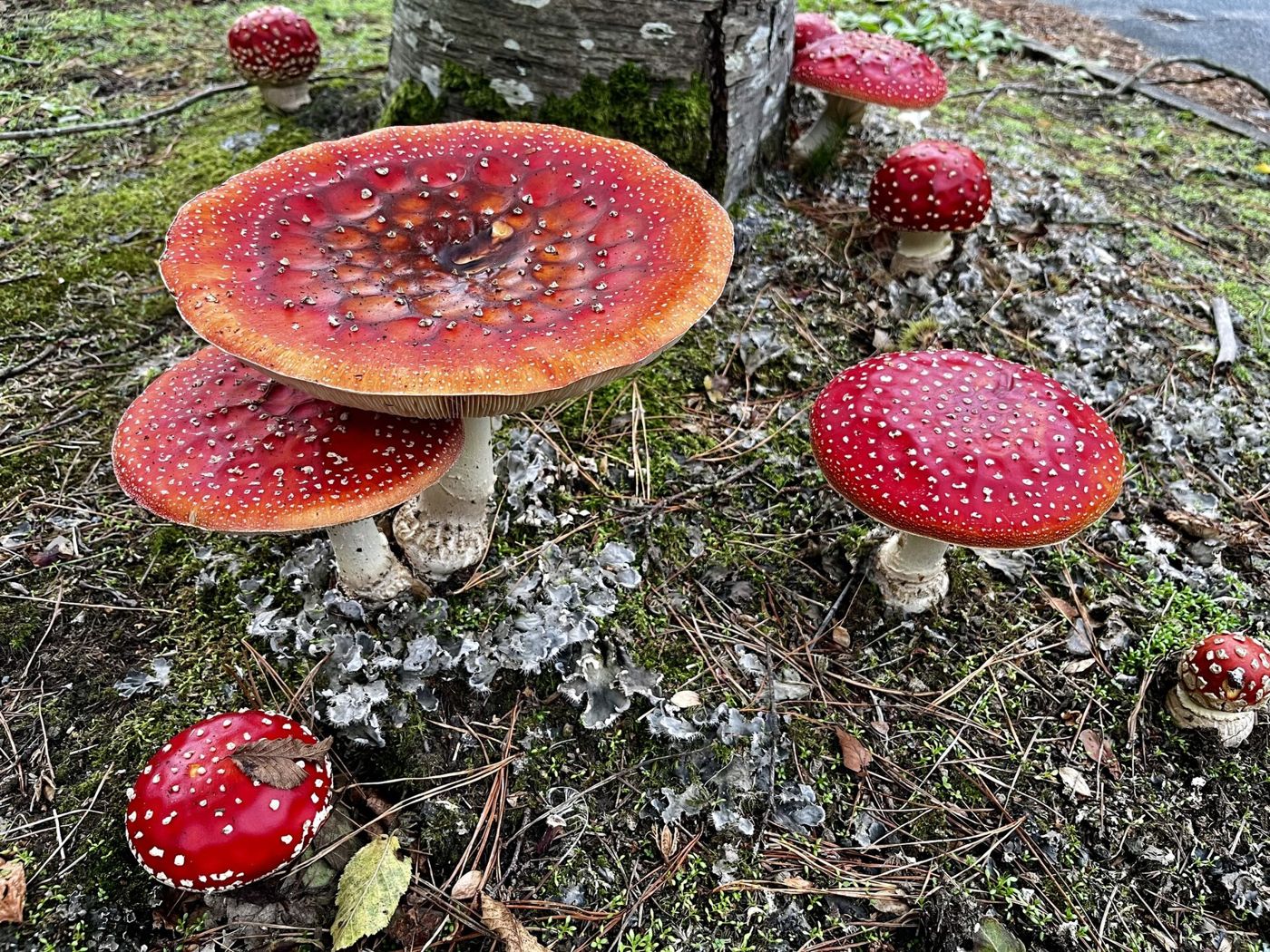
For naturalists and foragers across temperate regions of the world, autumn transforms forests and grasslands into an astonishing display of fungal diversity. While mushrooms can emerge in spring and summer under the right conditions, the sheer volume and variety that appear between late August and November are unmatched. This seasonal explosion is not a coincidence; it represents the culmination of months of underground preparation. A mushroom is merely the short-lived reproductive structure of a much larger, subterranean organism called mycelium. To invest the tremendous water and nutrient reserves required to build a cap and stem, the mycelium waits until environmental conditions give its spores the best possible chance to disperse and survive, and autumn happens to be the ecological sweet spot.
Moisture and temperature serve as the two primary environmental triggers that prompt mycelium to produce fruit bodies. Summer heat often bakes the upper layers of soil and dries out fallen timber, forcing fungi into a state of dormancy or slow vegetative growth. When autumn arrives, shorter days bring cooler daytime temperatures and crisp nights, slowing evaporation and allowing the soil to retain water. Concurrently, regular seasonal rainstorms penetrate deep into the forest floor, rehydrating desiccated fungal networks. Unlike summer downpours that evaporate rapidly under strong sunlight, autumn moisture lingers in the duff and deadwood, creating the sustained humidity that delicate mushroom tissues require to expand without shriveling.
The underground partnership between forest trees and mycorrhizal fungi also reaches a seasonal peak as the leaves change color. Species such as the iconic fly agaric (Amanita muscaria), golden chanterelles, and porcini (Boletus edulis) live in obligate symbiotic relationships with the root systems of birches, pines, oaks, and beeches. Throughout late summer and early autumn, mature trees photosynthesize vigorously, sending large quantities of surplus sugars down to their root tips before entering winter dormancy. This sudden flood of plant carbohydrates provides the fungal network with a massive influx of fuel. Flush with energy and supported by moist, cooling soil, mycorrhizal networks direct their resources upward, producing the grand flushes of woodland mushrooms that define the autumn season.
At the same time, saprotrophic fungi—the forest's vital decomposers—find an abundance of fresh resources during the autumn months. Deciduous trees drop tons of nutrient-rich foliage, while summer storms leave behind broken branches and decaying logs. Decomposers like ink caps, puffballs, and bracket fungi break down complex organic compounds like cellulose and lignin. Before hard frosts freeze the ground and temporarily halt fungal metabolic activity, these saprotrophs race to reproduce, releasing billions of microscopic spores that settle into the newly fallen leaf litter to establish the next generation of mycelial colonies.
The abundance of autumn mushrooms often draws curious enthusiasts into the woods, but it also carries significant risks. The autumn flush brings out some of the most dangerous toxic mushrooms alongside harmless or edible varieties, and they frequently share the same patch of moss or woodland edge. For instance, the deadly funeral bell (Galerina marginata) fruits on decaying wood during the exact same cool, damp weeks as popular culinary species, and the notorious death cap (Amanita phalloides) regularly emerges under oaks in late summer and autumn. Folk tests—such as believing that cooking destroys all toxins, that poisonous mushrooms tarnish a silver spoon, that easily peeled caps are safe, or that nibbled mushrooms must be harmless—are completely false and can lead to fatal mistakes. If a wild mushroom is ever accidentally ingested and poisoning is suspected, contact poison control or emergency services immediately and preserve a physical sample of the fungus.
Learning to distinguish wild fungi requires careful observation rather than reliance on shortcuts, because only a qualified expert who has physically examined a fresh specimen can confirm its edibility. As you explore the autumn woods, taking clear, well-lit photos is the most effective way to begin documenting and learning about the species you encounter. Be sure to photograph the top of the cap, the undersides showing the gills, pores, or teeth, and the very base of the stem where key diagnostic features often hide. You can upload these images to Shroomly to explore likely species and learn about critical toxic look-alikes, and then bring your findings to a local mycological society or regional expert to deepen your understanding of the fascinating autumn fungal world.