


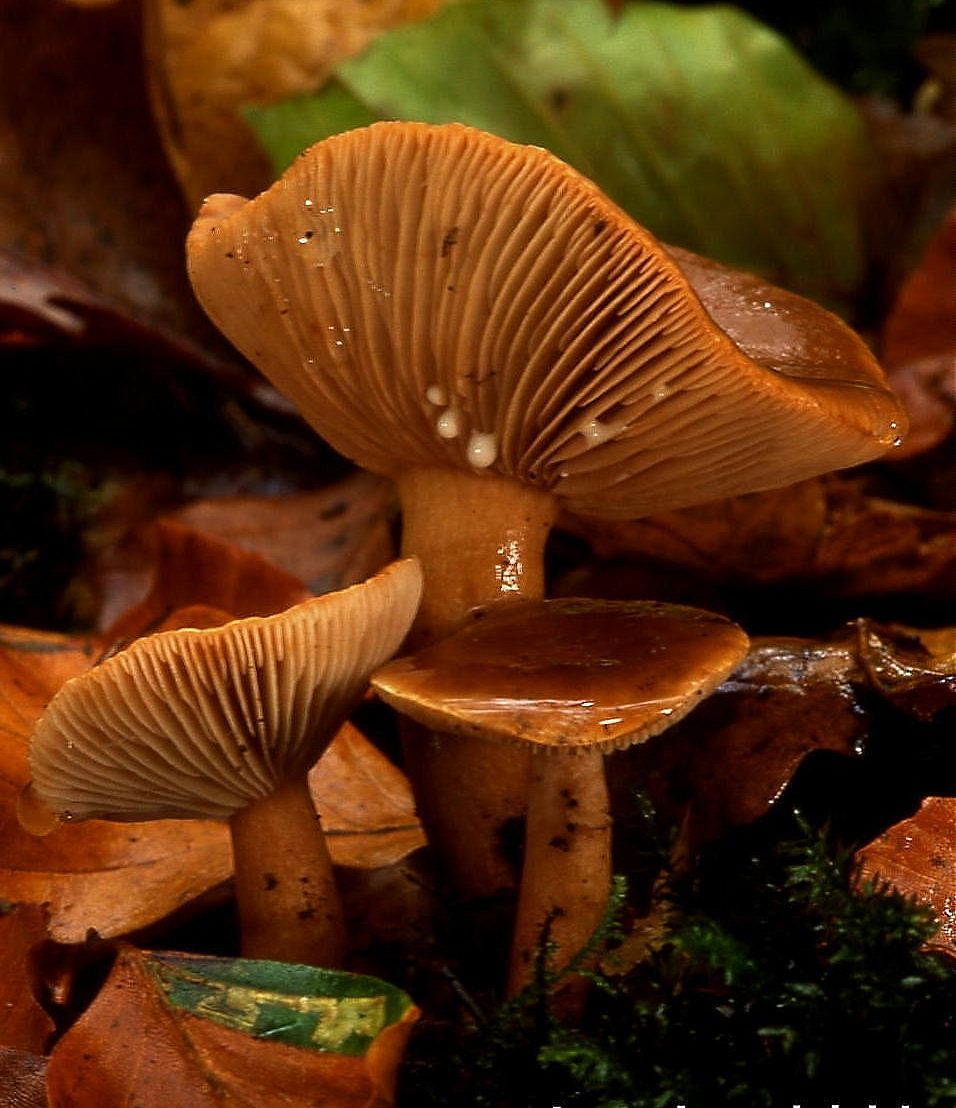
A spore print is simply the powdery deposit of spores that falls from a mushroom’s fertile surface (gills, pores, teeth or ridges) when the cap is left still for several hours. The color of that deposit — white, cream, pink, brown, black, purple-brown, yellow, or green — is a diagnostic feature used by mycologists to separate genera and species. Making a spore print at home takes just a cap, a piece of paper or glass, and patience, but the result must be interpreted alongside other traits like cap texture, gill attachment, stem features and where the mushroom was growing.
To make a basic spore print: pick a mature cap (young mushrooms may not be releasing spores), remove the stem, and place the cap gill-side-down on a sheet of white paper, black paper, or a glass slide. Cover the cap with a bowl or cup to keep air currents from disturbing the falling spores and leave it undisturbed for 4–12 hours — overnight is common. After lifting the cap you’ll see a pattern matching the gill layout; that powdery deposit is the spore print. If you used paper, fold it and pour the print onto a glass slide for closer observation under magnification, or lift a piece of clear tape to transfer it for later comparison.
Choosing the right surface matters because some spore colors are subtle. Use half-white, half-black paper or place the cap so the print falls partly on each color; white, cream and pale yellow prints show best on black, while dark brown, purple-brown and black prints show well on white. Glass is neutral and useful if you want to view the print with transmitted light or keep it as a permanent record mounted in clear tape or glue, but it won’t help you distinguish very pale colors without a contrasting background. Always label your print with date and location — spore color can fade or be misread if you forget the context.
A spore print is a helpful elimination tool but not a magic answer. Several different species can share the same spore color, and some diagnostic species show variation. For example, many Agaricus (field and button-type) species have brown spore prints, while Amanita species typically have white prints. However, knowing the spore color alone won’t tell you whether a mushroom is edible, poisonous, or psychoactive. Never use folk tests (silver spoon, peeling the cap, tasting a tiny bit, or whether animals eat it) to judge edibility; these are unreliable and dangerous. Only an expert who has examined the actual specimen can confirm edibility, and some lethal species closely resemble edible ones.
There are common pitfalls to watch for. If the cap is old, wet, or contaminated with pollen, dirt or mold, the print can be obscured or discolored. Very small mushrooms may not yield enough spores to see without a microscope. Some species bruise or stain when handled, which can confuse color interpretation; handle caps minimally and note any color changes to the flesh or gills. Also remember that spore prints are one character among many: microscopic spore shape and ornamentation — not visible in a simple print — are often required to confirm a species, so use prints to narrow options rather than to finalize an ID.
If you suspect poisoning, don’t wait for test results: call emergency services or your local poison control center immediately and keep a sample of the mushroom for professionals. For routine identification, document the mushroom before taking a print: photograph the cap from above, the underside showing gills or pores, the stem and especially the stem base (dig gently to show any volva or root-like structures), plus habitat and nearby trees. Use those photos with your spore print and let Shroomly suggest likely species and toxic look‑alikes, then confirm the ID with a local mycological society or expert before considering any handling for food or medicine.