


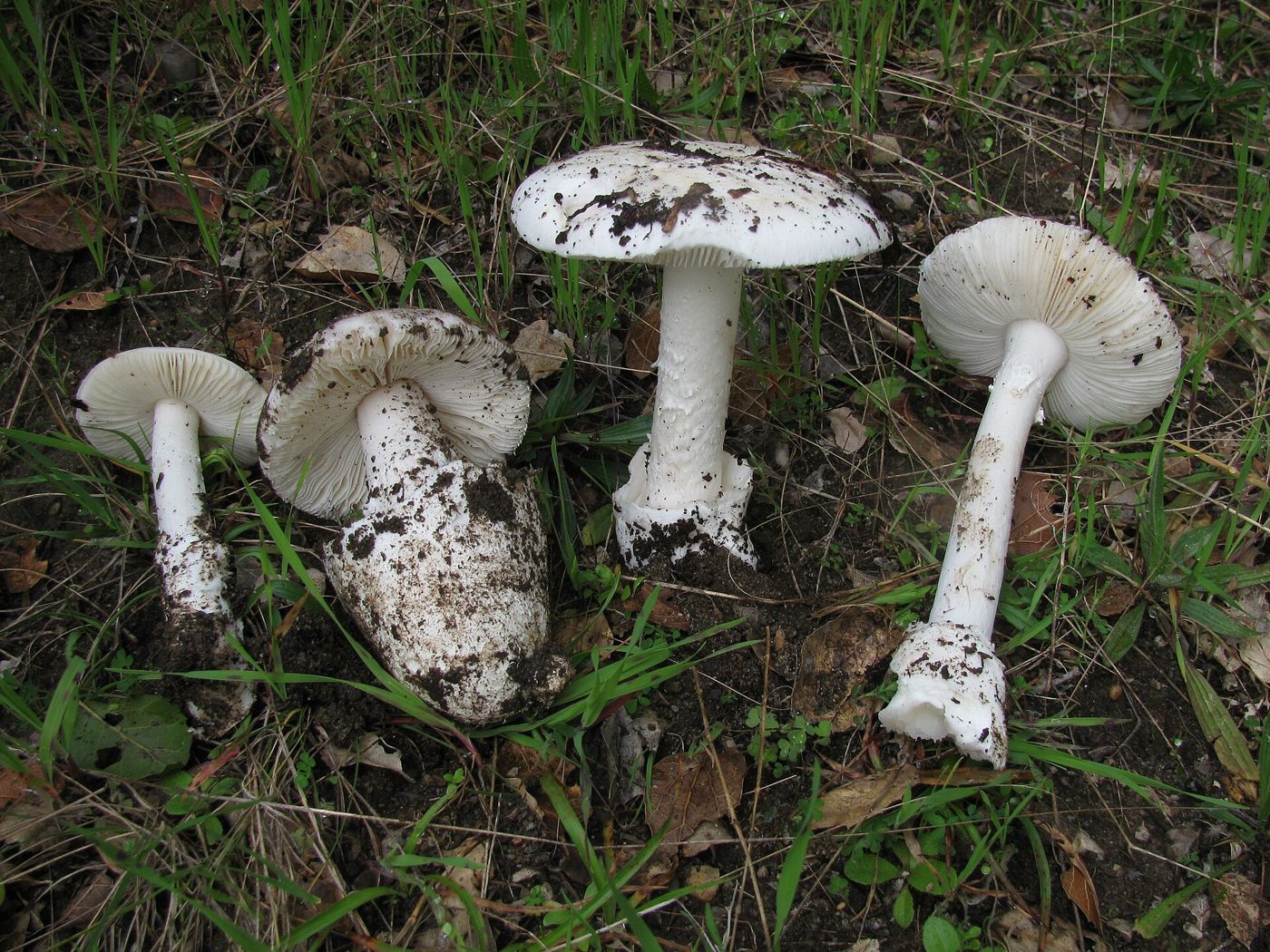
Many people grow up buying cultivated white button mushrooms at the supermarket, which can foster a false sense of security that plain white mushrooms in nature are familiar and harmless. In reality, mycologists frequently warn beginners that white is among the most hazardous colors a wild fungus can exhibit. While some edible varieties like the meadow mushroom (Agaricus campestris) and giant puffballs are predominantly white, the fungal kingdom also features some of the planet's most dangerous organisms in the exact same hue. Chief among these are members of the genus Amanita, commonly known as destroying angels, whose innocent-looking pale caps contain fatal concentrations of cellular toxins.
In North America and Europe, several distinct species share the grim common name of destroying angel. In eastern North America, Amanita bisporigera commonly fruits near oak and hickory trees, while along the Pacific coast, the Western destroying angel (Amanita ocreata) appears abundantly during winter and spring rains. These mushrooms are characterized by smooth, pure white caps, white gills that are free from the stem, a delicate skirt-like ring around the upper stalk, and a bulbous stem base enclosed in a membranous cup known as a volva. Ingesting even a small portion of a single cap from one of these species can deliver an incapacitating or fatal dose of poison.
The primary hazard posed by toxic white amanitas comes from amatoxins, which are resilient, heat-stable chemical compounds that cannot be neutralized by boiling, frying, baking, freezing, or drying. Amatoxins work by inhibiting RNA polymerase II in human cells, effectively shutting down protein synthesis and causing cellular death, primarily targeting the liver and kidneys. What makes amatoxin poisonings especially insidious is the prolonged delay before any symptoms emerge. An individual often feels entirely healthy for six to twenty-four hours after eating the mushroom, before sudden gastrointestinal distress, vomiting, and dehydration set in. This phase is frequently followed by a deceptive temporary improvement, even while severe, life-threatening internal organ damage quietly progresses.
Tragic foraging mistakes often happen because inexperienced collectors mistake young destroying angels for puffballs, or mature specimens for edible Agaricus species like field mushrooms. In its early "button" stage, a young Amanita is encased in a universal veil that looks deceptively like a solid, spherical puffball from the outside, though cutting it vertically reveals the faint outline of gills and a stem hidden inside. Furthermore, dangerous folk tests claim that toxic mushrooms tarnish silver spoons, repel insects, or have caps that peel cleanly from the edge. In truth, destroying angels have skin that peels readily, do not discolor silver, and are frequently consumed without harm by forest insects and slugs. Survivors of accidental poisonings have even reported that the mushrooms tasted mild and pleasant, proving that flavor is no indicator of safety.
Because symptoms of deadly mushroom poisoning take many hours to appear, rapid medical action is essential if anyone eats an unidentified wild white mushroom. Never wait for stomach cramps, nausea, or diarrhea to manifest, and do not attempt to induce vomiting or administer home remedies. Contact emergency medical services or your regional poison control center immediately. If possible, retrieve the remaining pieces of the mushroom—including any remnants left in the ground with the stem base intact—and keep them in a clean paper bag or rigid container so hospital toxicologists can identify the species and begin targeted treatments without delay.
Given the razor-thin margin of error between benign and lethal white fungi, no wild mushroom should ever be deemed safe to eat based on a photograph, an app suggestion, or a superficial checklist. Only an experienced mycologist who has physically inspected the intact specimen can confirm its identity. When you discover an unfamiliar white mushroom in your lawn or along a woodland path, treat it as an educational opportunity rather than a meal. Take sharp, clear photos of the cap surface, the gills underneath, and the soil line around the stem base where the volva may be buried. Entering these photos into Shroomly can help you explore likely species and learn about dangerous look-alikes in your region, which you can then review alongside a local mycological society or identification expert.