


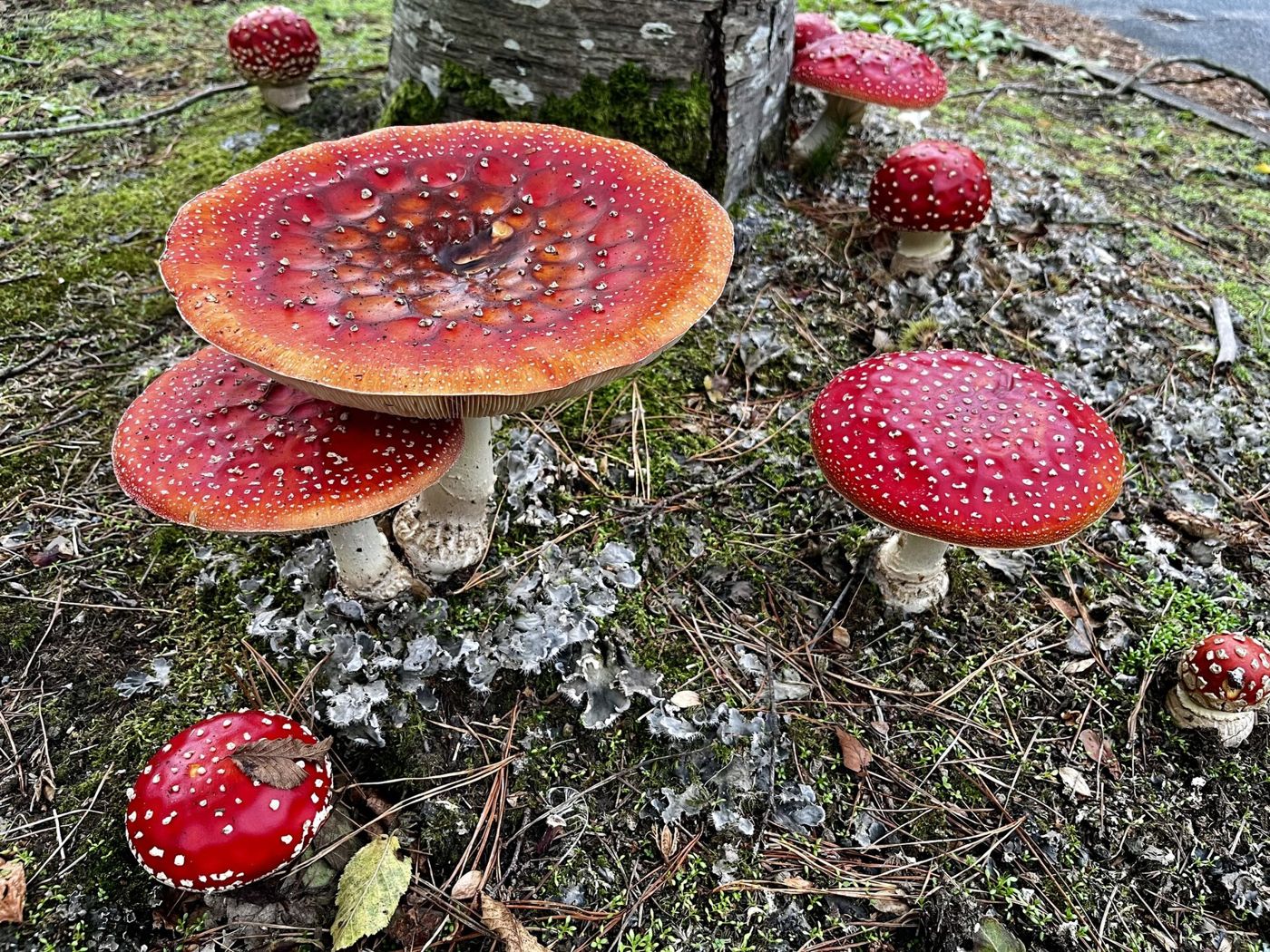
Many people grow up believing that mushrooms and toadstools belong to two entirely different categories of wild fungi. In popular culture, children's books, and folklore, toadstools are often depicted as the classic umbrella-shaped fungi with brightly spotted caps, usually deemed sinister, poisonous, or magical, while mushrooms are viewed as benign, edible growths suited for the kitchen table. In the world of scientific mycology, however, this distinction does not exist. Both terms are vernacular English words that describe the exact same biological structure: the ephemeral, fleshy fruiting body produced by an underground or wood-decaying fungal mycelium to release reproductive spores.
The linguistic origin of the word toadstool sheds light on how this artificial divide took root in English-speaking folklore. Dating back several centuries to Middle English, the word combined toad and stool, reflecting a cultural association between toads—which were widely feared in medieval Europe as venomous, wart-bearing creatures associated with witchcraft—and strange, damp fungi that sprang up mysteriously overnight. In Germanic and Celtic traditions, similar terms linked fungi to toads, devils, or snakes. By contrast, the word mushroom entered English from the Old French term mousseron, which was commonly applied to specific field fungi gathered for food. Over time, everyday speech began to separate fungi into culinary mushrooms and dangerous toadstools based purely on human superstition rather than biological taxonomy.
Attempting to classify wild fungi using the mushroom versus toadstool dichotomy is not only scientifically meaningless, but it is also hazardous for anyone curious about wild nature. Some people mistakenly assume that toadstools have a specific look—such as a domed cap on a slender stalk or bright warning colors like the red-capped fly agaric (Amanita muscaria)—while assuming that bland-looking, pale fungi are true mushrooms and therefore harmless. In reality, fungal appearance offers no guarantee of toxicity or edibility. The death cap (Amanita phalloides) and the destroying angel (Amanita bisporigera) are understated, pale specimens with neat, umbrella-like shapes that look completely harmless to an untrained observer, yet both contain lethal concentrations of cellular amatoxins.
The persistent belief in a simple mushroom-toadstool boundary has also fueled dangerous folk tests that amateur foragers have passed down for generations. Folkloric wisdom has long claimed that toxic toadstools will tarnish a silver spoon during cooking, peel easily from the cap, emit a foul odor, or be strictly avoided by slugs and woodland animals. Every single one of these traditional rules of thumb is completely false and potentially lethal. Deadly amanitas often peel effortlessly, have pleasant or neutral aromas, leave silver completely untarnished, and are routinely nibbled by rodents, snails, and insects whose biological resistance to fungal toxins is entirely different from human physiology. Cooking does not deactivate heat-stable fungal poisons, and relying on any casual test to divide edible mushrooms from toxic toadstools invites disaster.
Because physical appearance alone cannot reveal chemical composition, determining the edibility of any wild fungus requires absolute, rigorous species identification. Never assume a wild mushroom is safe to eat based on an app result, a photo, a single physical feature, or folk lore. Only a qualified mycologist who has physically examined the intact specimen can confirm its identification and edibility, especially since deadly species frequently mimic sought-after edible varieties in color, habitat, and general form. In the event that anyone, including a child or pet, ingests an unknown wild fungus, do not wait for symptoms to develop or attempt home remedies; contact emergency medical services or your regional poison control center immediately and retain a complete sample of the mushroom for toxicological analysis.
Learning to appreciate the rich diversity of fungi means looking past antiquated labels like toadstool and observing the precise botanical details of each fruiting body. When studying wild fungi in the field, take clear, well-lit photographs showing the top of the cap, the underside with its gills, pores, or ridges, and the entire stem right down to its subterranean base. You can use Shroomly to scan these images, explore likely species, and learn to spot dangerous look-alikes that share the same habitat. Always follow up your observations by consulting your local mycological society or experienced regional experts as you build your knowledge safely and responsibly.