


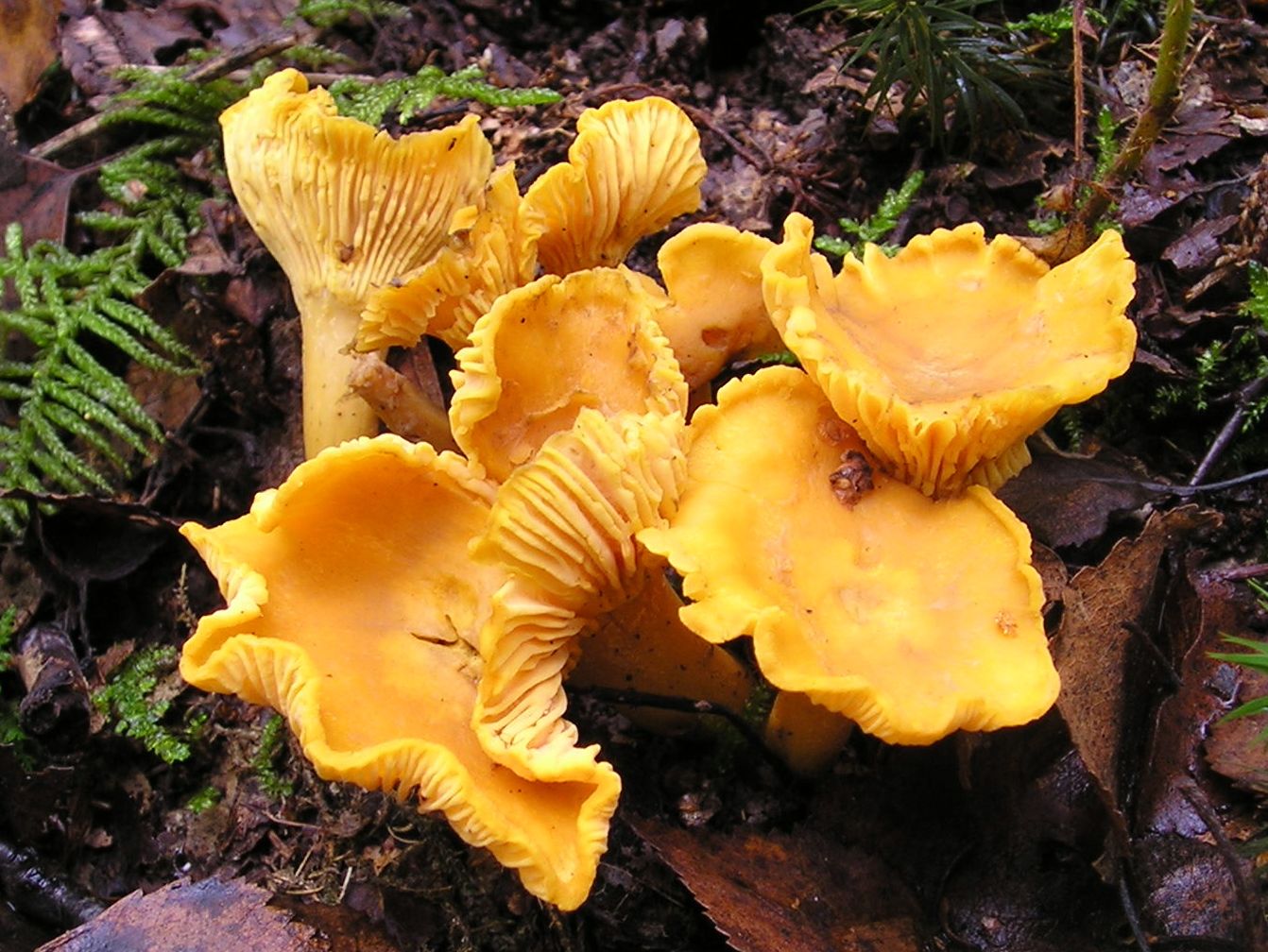
When learning to identify wild mushrooms, one of the first and most critical anatomical structures you will examine is the hymenium, the spore-bearing surface beneath the cap. While many mushrooms carry thin, papery blades known as true gills, others produce shallow, fold-like wrinkles termed false gills or ridges. Confusing these two structures is a frequent stumbling block for beginners, yet understanding the mechanical and structural differences between them provides a foundational diagnostic tool for classifying woodland fungi across temperate regions worldwide.
True gills, scientifically known as lamellae, are separate, knife-like plates that radiate outward from the central stem toward the outer cap margin. Found across thousands of agaric species, from benign lawn varieties to deadly woodland fungi like the death cap (Amanita phalloides), true gills are independent structural features. If you look at them closely or run a finger gently along their edge, you will notice that they are individual, flexible sheets of tissue that can easily be separated from one another, bent sideways, or sliced cleanly off the underside of the cap. While their attachment to the stem varies from completely free to running slightly down the stalk, their edges are sharp, distinct, and fragile.
False gills, by contrast, are not separate plates of tissue at all; they are continuous, shallow folds sculpted directly out of the mushroom cap and stem flesh. Most famously displayed by members of the genus Cantharellus, such as the golden chanterelle, false gills resemble blunt, wavy ridges or wrinkles. Unlike the paper-thin sheets of true gills, false gills are rounded at their outer margins, firm to the touch, and often branch repeatedly or merge with cross-veins in a net-like network known as anastomosing. Because they are simply undulations in the fungal tissue, you cannot peel or flick a false gill away from the cap without tearing the cap flesh itself.
The distinction between true gills and false gills is far more than an academic curiosity; it is one of the most reliable ways to separate sought-after wild fungi from toxic imitators. A prime example is the distinction between chanterelles and the toxic jack-o'-lantern (Omphalotus olearius). While chanterelles possess blunt, fork-veined false gills that merge seamlessly into the stem, the jack-o'-lantern possesses sharp, knife-like true gills that do not branch into blunt wrinkles. Relying on folk tests or casual rules of thumb—such as believing all ridged mushrooms are harmless, testing specimens with silver coins, or assuming pleasant aromas indicate safety—is exceedingly dangerous and completely unsupported by mycology. In any instance where a toxic mushroom is ingested, call emergency services or your national poison control centre immediately and preserve a physical specimen for clinical analysis.
Even with clear botanical definitions, field conditions can sometimes obscure the difference between true and false gills. Immature mushrooms with unexpanded caps may have tight, crowded true gills that mimic wrinkles, while weathered specimens soaked with rain or dried out by midday wind can lose their crisp definition. Because several deadly species, including destructive Amanita varieties, share superficial macroscopic traits with edible woodland mushrooms, edibility can never be assumed based on a single morphological feature or superficial photograph. Only an experienced mycologist who has physically examined the intact specimen can confirm its identification with certainty.
Whenever you encounter an unfamiliar mushroom in the field, taking multiple comprehensive photographs is the best way to record its diagnostic traits. Carefully capture the cap from above, turn the mushroom over in good natural light to show how the gills or ridges meet the stem, and gently dig up the entire base of the stalk without severing subterranean structures. Submitting these detailed angles to Shroomly allows the app to analyze gill formation and highlight likely species alongside toxic look-alikes, after which you should always verify the identification through your local mycological society or an experienced regional expert.