


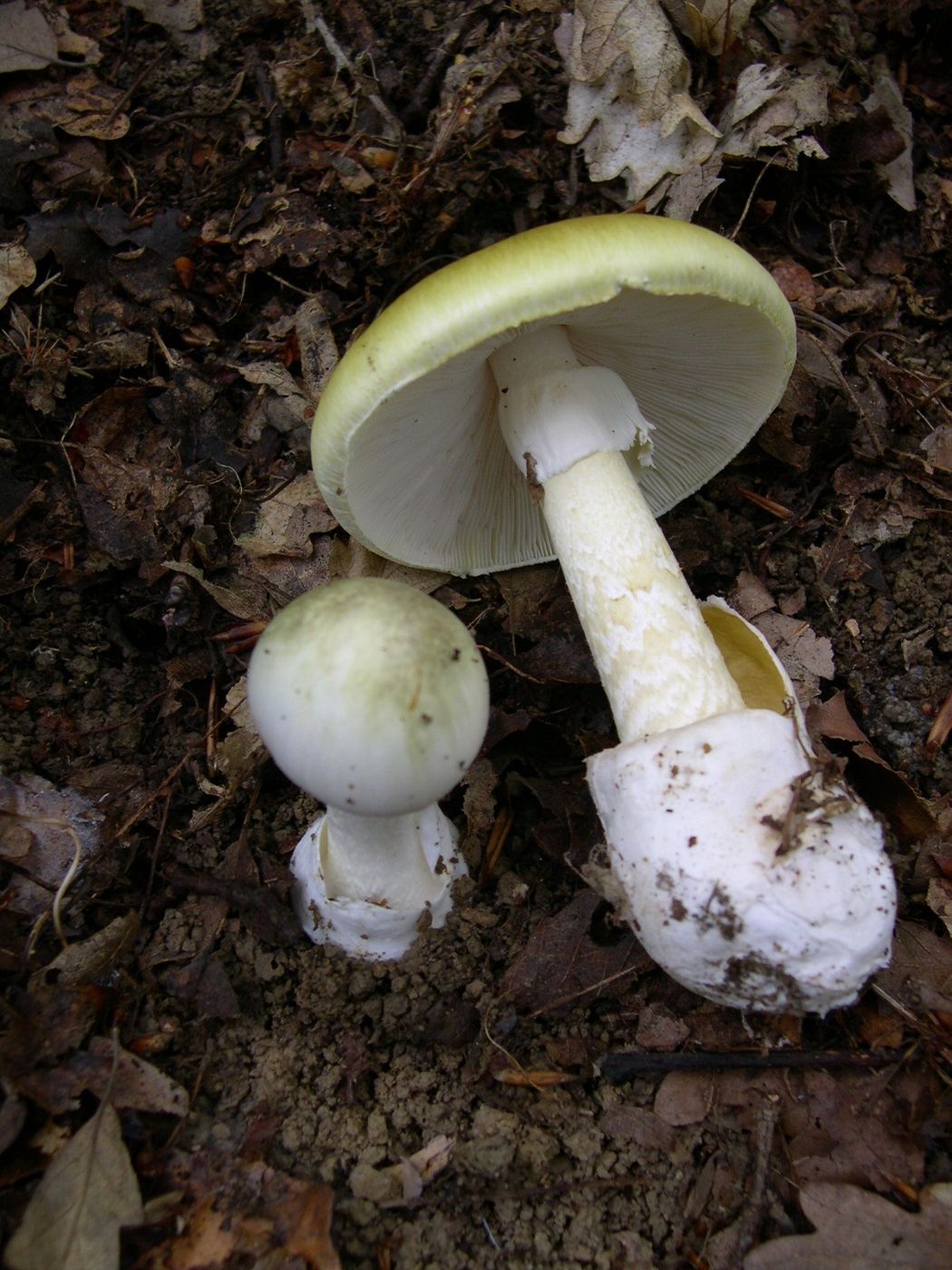
Cats have a reputation as fussy eaters, and it is true that mushroom poisoning is reported far less often in cats than in dogs. That reputation can make owners complacent, though. Kittens explore the world with their mouths, bored indoor cats chew on almost anything green or growing, and outdoor cats can encounter fungi in gardens, lawns, and woodland edges. Because cats are small, a single mushroom can represent a large dose of toxin for their body weight, so even a nibble from the wrong species is a genuine emergency.
The most dangerous mushrooms for cats are the same ones that are most dangerous for people. Species containing amatoxins, including the death cap (Amanita phalloides), the destroying angels (Amanita virosa, Amanita ocreata, and related species), and the funeral bell (Galerina marginata), attack the liver and can be fatal. Other groups cause different problems: the fly agaric (Amanita muscaria) and panther cap (Amanita pantherina) contain ibotenic acid and muscimol, which affect the nervous system, while many fibrecaps (Inocybe species) and some small white Clitocybe species contain muscarine. A large number of common lawn mushrooms, such as the green-spored parasol (Chlorophyllum molybdites), cause severe vomiting and diarrhea that can quickly dehydrate a small animal.
Indoor cats are not automatically safe. Mushrooms often pop up in the soil of potted plants, and one of the most common, the yellow houseplant mushroom (Leucocoprinus birnbaumii), is regarded as toxic and should be kept away from pets. Fungi can also appear on damp indoor surfaces or in bags of compost and mulch brought into a conservatory or garage. Removing any mushrooms you find, wearing gloves and bagging them, is a sensible habit, and it is worth checking houseplant pots regularly during warm, humid spells when fruiting bodies can appear overnight.
Signs of mushroom poisoning in cats vary with the species eaten. Owners may notice vomiting, diarrhea, drooling, loss of appetite, lethargy, hiding, wobbliness, dilated pupils, agitation, tremors, or seizures. Amatoxin poisoning is particularly treacherous: gastrointestinal signs may not begin for several hours, and a cat can appear to improve for a period while liver damage continues silently, sometimes showing yellowing of the gums or eyes later. This is why the absence of symptoms means nothing. By the time a cat looks seriously ill, the most useful window for veterinary treatment may already have passed.
If you see your cat eating a wild mushroom, or find a chewed mushroom and suspect your cat, call your vet, an emergency veterinary clinic, or an animal poison control service immediately. Do not try to make your cat vomit at home, do not give milk, oil, or any home remedy, and do not wait to see what happens. Collect a sample of the mushroom, ideally a whole specimen including the base of the stem, wrap it in paper or place it in a paper bag, and bring it with you along with any vomit. Note the time of ingestion if you know it and take photos of where the mushroom was growing, because the habitat and nearby trees help experts narrow down the species.
It is also important to dismiss the idea that a mushroom is harmless because an animal ate it. Cats, dogs, squirrels, slugs, and deer all eat fungi that would poison or kill a person or another species, and tolerance differs widely between animals. Folk tests such as a cap that peels easily, a pleasant smell, or a silver spoon not tarnishing tell you nothing about toxicity. As for shop-bought mushrooms, plain cultivated button mushrooms are not generally considered toxic to cats, but dishes containing onion or garlic are, so human leftovers are best kept away from pets altogether. Whether a wild mushroom is edible for anyone can only be confirmed by an expert who has examined the actual specimen, and several deadly species closely resemble popular edible ones.
Knowing which mushrooms grow where your cat roams makes it easier to act quickly. When fungi appear in your garden or plant pots, photograph the cap from above, the gills or pores underneath, and the full stem down to its base, including any cup or sac at the bottom, then let Shroomly suggest likely species and highlight toxic look-alikes such as Amanita species. Treat any result as a starting point rather than a verdict, remove mushrooms from areas your cat uses, and confirm the identification with a local mycological society or expert. If your cat has already eaten something, skip the identification step entirely and phone your vet or animal poison control right away.