


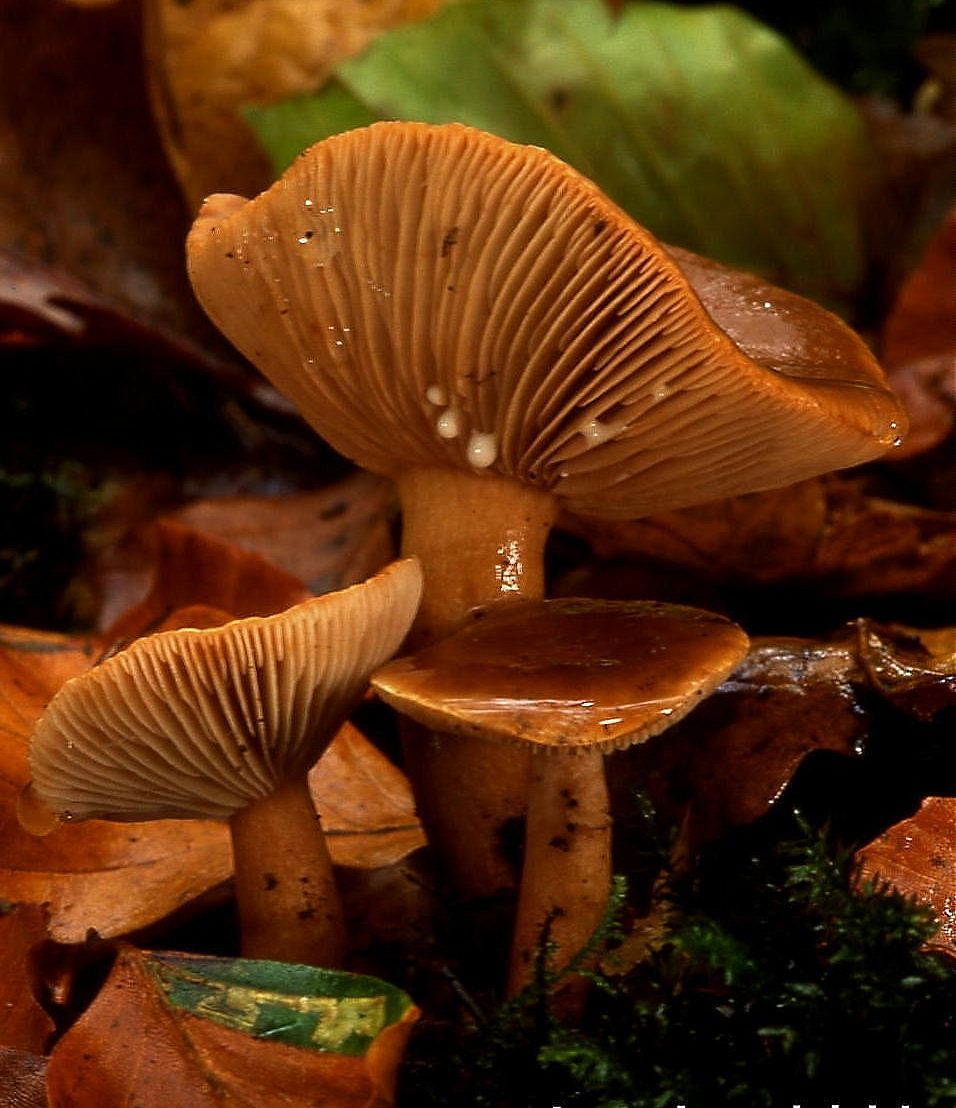
Ask how many types of mushrooms there are and you will get very different answers depending on what is being counted. In everyday speech, a mushroom is the fleshy fruiting body that pops up from soil or wood, with a cap and gills or pores. Biologically, though, that mushroom is only the reproductive structure of a fungus, and the fungal kingdom also includes molds, yeasts, rusts, lichen-forming fungi and many microscopic species that never produce anything you could pick. So the honest answer comes in layers: how many fungi have been named, how many of those make mushrooms, and how many probably exist but remain undiscovered.
Starting with what is known, mycologists have formally described somewhere around 150,000 species of fungi, according to recent summaries such as those from the Royal Botanic Gardens, Kew. Each of those has a scientific name, a published description and usually a reference specimen held in a collection. Every year, roughly two thousand or more new fungal species are added to the list, discovered in tropical forests, in soil samples, inside plant tissue and sometimes in well-studied places like British woodlands or North American backyards. The tally is growing steadily, and it is nowhere near finished.
Of the described fungi, the mushroom-forming species are a minority but still a very large group. Most of them belong to the Basidiomycota, which includes familiar gilled mushrooms, boletes, chanterelles, puffballs and bracket fungi, while some, such as morels and cup fungi, belong to the Ascomycota. Estimates for how many mushroom-forming species have been named vary with the definition used, but the figure is comfortably in the tens of thousands. Even a single genus can be enormous: Cortinarius, the webcaps, contains well over a thousand described species worldwide, and Russula and Inocybe each contain hundreds. Many of these look broadly similar to the naked eye, and some can only be separated with a microscope or DNA sequencing.
The bigger surprise is how many fungi are thought to be missing from the record. Using methods such as comparing the number of fungi to the number of plants in well-studied regions, and analyzing environmental DNA from soil and leaves, researchers have produced estimates that commonly range from around two million to nearly four million fungal species on Earth. If those figures are even roughly right, more than nine in ten fungi have yet to be described. Many undiscovered species are microscopic or live hidden inside plants and soil, but new mushroom species also turn up regularly, including in places that amateur naturalists visit every weekend.
Within this huge diversity, the number of species known to be seriously dangerous is small, but it matters out of all proportion. Deadly species such as the death cap (Amanita phalloides), the destroying angels (Amanita virosa and Amanita ocreata), the funeral bell (Galerina marginata) and deadly webcaps such as Cortinarius rubellus account for most fatal poisonings, and several of them closely resemble popular edible mushrooms. Hundreds of other species cause vomiting, diarrhea or other unpleasant effects, and for a great many mushrooms the edibility is simply unknown because nobody has studied them. That is why no rule of thumb works: color, smell, a cap that peels, a silver spoon that does not tarnish, or the fact that slugs or squirrels have nibbled it says nothing reliable about safety. Only an expert who has examined the actual specimen can confirm whether a particular mushroom is edible, and with tens of thousands of species, many of them lookalikes, even experts sometimes need a microscope.
Knowing how vast the fungal kingdom is makes it easier to appreciate why identification has to be careful and evidence-based. If you find a mushroom and want to know what it is, photograph it from several angles: the top of the cap, the gills or pores underneath, and the whole stem including its base, carefully dug out so any ring or cup-like volva is visible. Shroomly can use those photos to suggest likely species and flag toxic look-alikes, which is a useful starting point for learning. Treat any app result as a lead rather than a verdict, and confirm identifications with a local mycological society or experienced expert who can examine the specimen in person. And if anyone may have eaten a wild mushroom, call poison control or emergency services immediately and keep a sample of the mushroom to help them.