


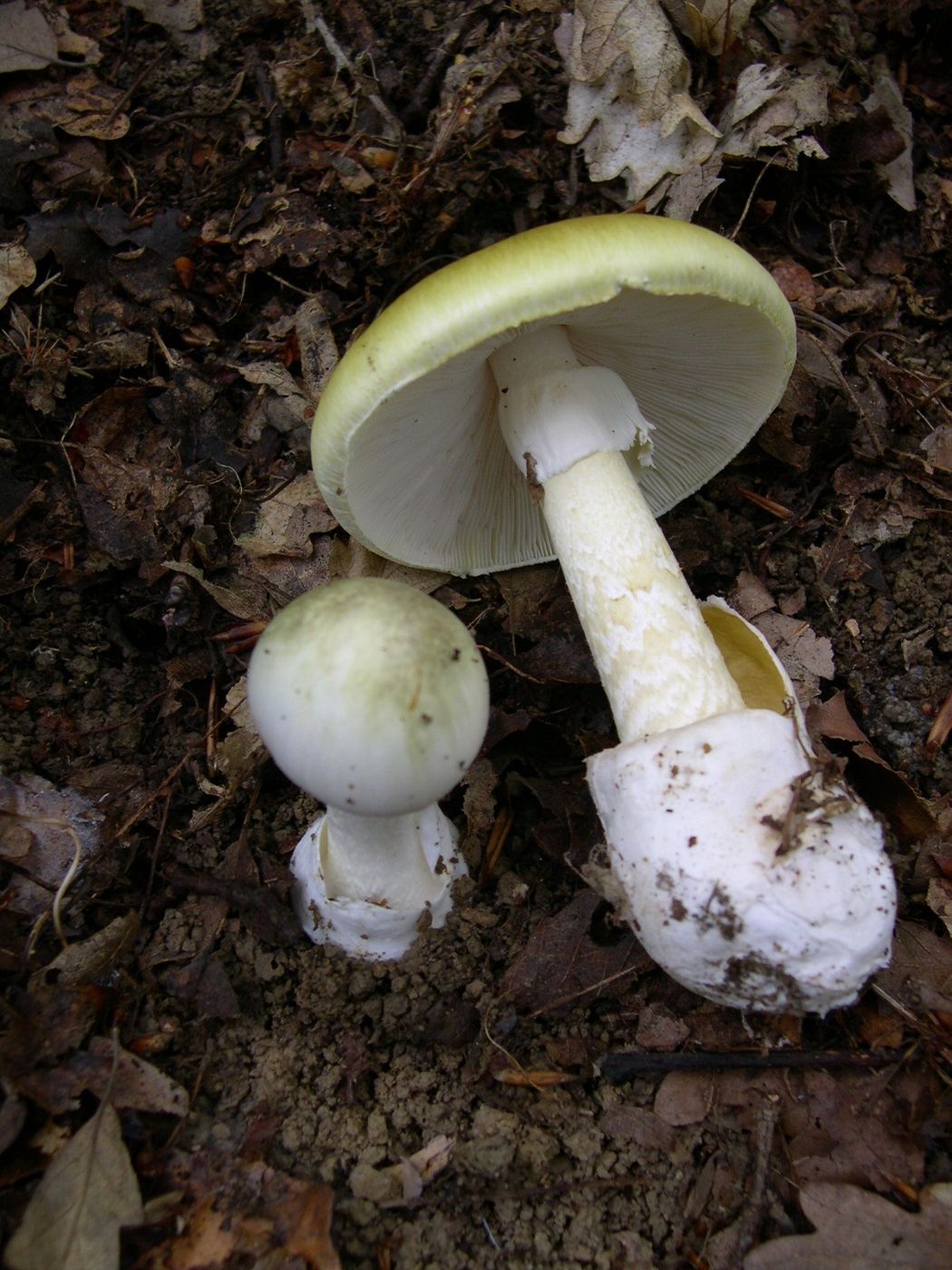
When walking through the woods, foragers and outdoor enthusiasts frequently discover mushrooms with caps that have been partially eaten by slugs, nibbled by squirrels, or grazed by deer. A persistent piece of outdoor folklore claims that nature provides its own safety test: if an animal has taken a bite out of a mushroom and survived, the fungus must be wholesome and edible for humans. This widespread assumption is not only completely false, but it is also one of the most hazardous pieces of folk advice in circulation. The animal kingdom does not share our digestive physiology, and trusting a wild creature's meal choice can have catastrophic consequences for human foragers.
The belief that animals can instinctively detect poison belongs to a larger cluster of debunked folk tests that novice foragers often encounter. People frequently ask whether a silver spoon will tarnish when cooked with a toxic mushroom, whether poisonous caps peel easily, or whether toxic fungi always carry a foul smell or bitter taste. In reality, none of these tests have any basis in biochemical fact. Some of the most lethal mushrooms in the world, such as the death cap (Amanita phalloides) and destroying angel (Amanita bisporigera), are reported to have a pleasant, mild smell, peel readily, and leave silver untarnished. Similarly, the presence of teeth marks or slug trails on a mushroom cap offers zero insight into whether that fungus contains compounds that will destroy human internal organs.
The primary reason animals can consume toxic mushrooms lies in evolutionary biochemistry. Invertebrates such as slugs, snails, and the larvae of fungus gnats routinely feast on mushrooms packed with lethal amatoxins. The cellular mechanisms that amatoxins target in human beings—specifically the enzyme RNA polymerase II in liver and kidney cells—interact differently or carry distinct sensitivities in invertebrates. A single mature death cap contains enough concentrated amatoxin to kill multiple adult humans, yet woodland slugs can consume large portions of the same mushroom with complete impunity. Seeing a slug enjoying a mushroom cap is evidence only that the fungus is nutritious for a gastropod, not a human.
Mammals also process dietary chemicals differently than primates do. Herbivores like white-tailed deer and rodents such as squirrels and chipmunks have evolved complex metabolic strategies to cope with secondary plant and fungal metabolites. Their livers produce robust suites of cytochrome P450 enzymes that break down or neutralize complex toxins before they can enter the bloodstream in dangerous amounts. Red squirrels, for instance, frequently harvest and cache specimens of Amanita muscaria and Cortinarius species that would cause severe poisoning or acute organ failure in humans. Furthermore, wild animals can and do suffer toxic effects that human observers rarely witness, as a poisoned deer or rodent will simply retreat into dense brush to die out of sight.
The difference in species sensitivity becomes starkly apparent when looking at domestic animals. Dogs and cats lack the specialized adaptations of wild forest rodents and frequently suffer severe or fatal poisoning from wild mushrooms they encounter in suburban yards or parks. Because domestic pets metabolize compounds on entirely different timelines, any suspected ingestion in a human or pet should be treated as an urgent medical emergency. If you suspect that a child, adult, or pet has swallowed an unknown wild mushroom, contact poison control or emergency medical services immediately and secure a physical sample of the fungus in a paper bag for identification. Never wait for symptoms to appear, and never attempt unproven home treatments.
Because folk rules and animal behavior provide no protection, responsible mushroom study relies solely on meticulous, objective species identification. Many deadly poisonous species bear an uncanny resemblance to prized edible varieties, sharing similar colors, shapes, and habitats. Determining whether any mushroom is safe to harvest requires rigorous botanical observation, and edibility can only ever be confirmed by a trained expert who has physically examined the actual specimen in person. No photograph, internet guide, or general rule of thumb can ever guarantee that a wild fungus is safe to eat.
If you want to understand the fungi in your local ecosystem, focus on learning their physical anatomy from the ground up. Take crisp photographs showing the entire specimen in natural lighting, capturing the surface and margin of the cap, the attachment of the gills or pores beneath, and the very base of the stem where universal veils, volvas, and bulbs often hide. An identification tool like Shroomly can analyze these detailed features to help you explore likely species profiles and point out dangerous toxic look-alikes. When you are ready to verify a find, bring your photos and carefully preserved specimens to an experienced identifier or your local mycological society to learn the nuances of safe, reliable identification.