


Dogs explore the world with their noses and mouths, which makes wild mushrooms a genuine hazard on walks, in parks and in the back garden. Most mushrooms a dog encounters will be harmless or cause nothing worse than a mild upset stomach, but a small number of species contain toxins that can damage the liver, kidneys or nervous system, and a few can be fatal even in small amounts. The difficulty is that dangerous and harmless species often grow side by side and can look remarkably similar, so owners cannot reliably sort them by eye. Knowing which groups cause the most serious problems helps you understand why vets treat any mushroom ingestion as urgent.
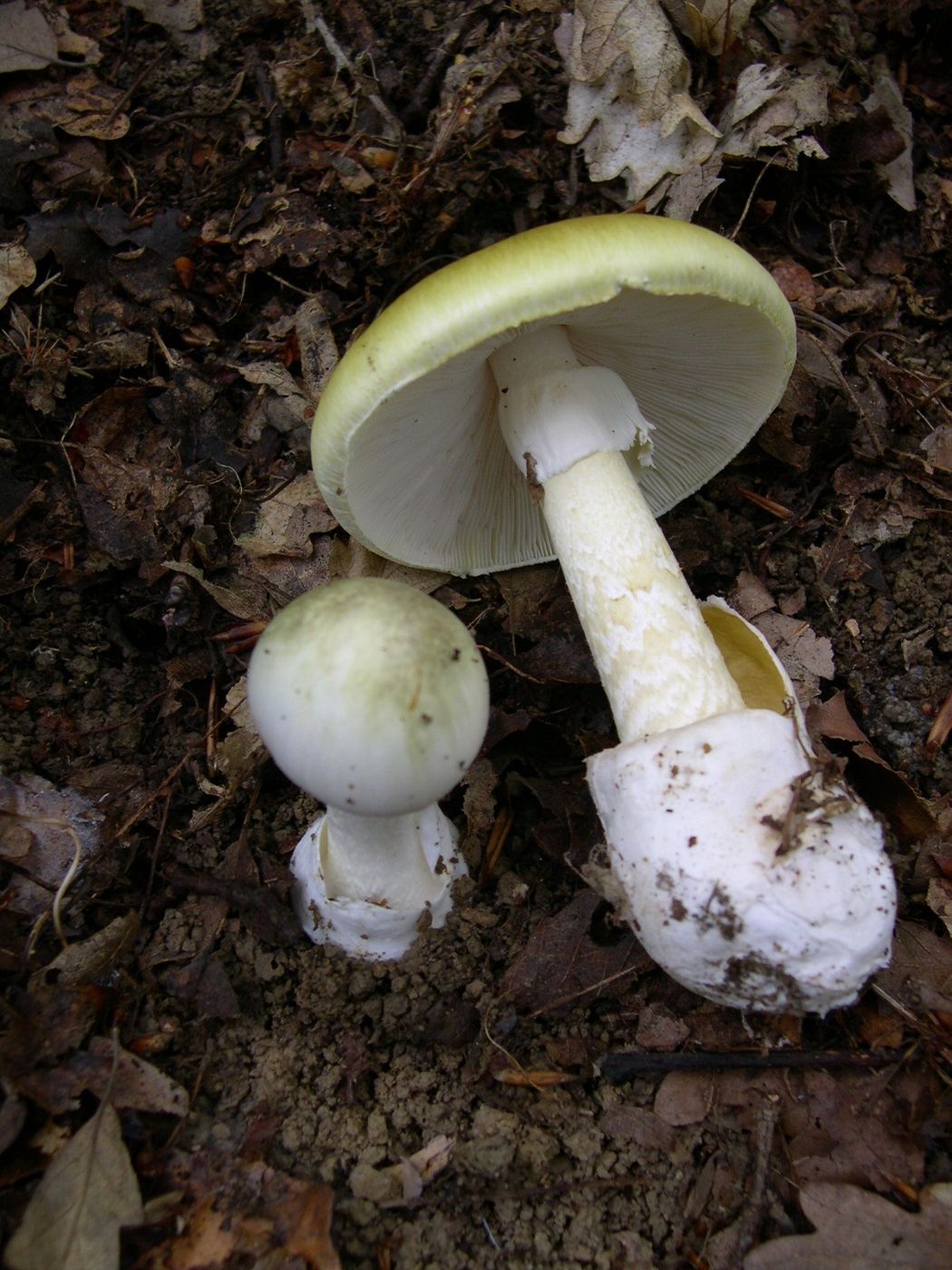
The most dangerous group for dogs, as for people, are mushrooms containing amatoxins. The death cap (Amanita phalloides) is the best-known example and has spread well beyond its native Europe, including parts of North America and Australia. Its relatives, the destroying angels such as Amanita virosa, Amanita bisporigera and the western destroying angel Amanita ocreata, carry the same toxins. Amatoxins also occur in much smaller, less obvious mushrooms, including the funeral bell (Galerina marginata), which grows on rotting wood, Conocybe filaris (also known as Pholiotina rugosa), a small lawn mushroom, and several small Lepiota dapperlings. Amatoxin poisoning is particularly treacherous because vomiting and diarrhoea typically start several hours after eating, the dog may then appear to improve, and serious liver damage can develop behind that apparent recovery. Some veterinary sources also suggest that certain Amanita species may have an odour dogs find interesting, which is one more reason not to let a dog snack freely on fungi.
A second important group contains muscarine, a toxin that overstimulates part of the nervous system. Fibrecaps (Inocybe species) are frequently involved in dog poisonings because they are small, brown, common in lawns, parks and woodland edges, and easy to overlook. Some white funnel mushrooms, such as the ivory funnel (Clitocybe dealbata), also contain muscarine and grow in grass, sometimes alongside the harmless fairy ring champignon (Marasmius oreades). Signs of muscarine poisoning tend to appear relatively quickly and can include heavy drooling, watery eyes, vomiting, diarrhoea, a slowed heart rate and breathing difficulty.
Other species affect dogs in different ways. The panther cap (Amanita pantherina) and, to a lesser extent, the fly agaric (Amanita muscaria) contain ibotenic acid and muscimol, which can cause disorientation, wobbliness, agitation, tremors or deep sedation, and panther cap poisonings in dogs can be severe. False morels (Gyromitra species) contain gyromitrin, which can cause vomiting, seizures and liver injury. Psilocybin-containing mushrooms can cause abnormal behaviour, a racing heart and overheating. Many common lawn and woodland species, including the green-spored parasol (Chlorophyllum molybdites), the common earthball (Scleroderma citrinum) and the yellow stainer (Agaricus xanthodermus), mainly cause gastrointestinal upset, but in a small or young dog, repeated vomiting and diarrhoea can still lead to dangerous dehydration.
It is tempting to look for simple rules, but none of them work. A mushroom being small, brown, white, growing in your own lawn or smelling pleasant tells you nothing about its safety, and the idea that animals instinctively avoid poisonous fungi is a myth; dogs eat toxic mushrooms regularly, and puppies are especially indiscriminate. Even the mushrooms people consider good edibles can have deadly look-alikes, and only an expert who has examined the actual specimen can confirm what it is. Because mushrooms can pop up overnight after rain, a garden that was clear yesterday may not be clear today, so checking the yard before letting your dog out during mushroom season, removing fungi you find, and keeping your dog close on woodland walks all reduce the risk.
If you see or suspect that your dog has eaten a wild mushroom, do not wait for symptoms and do not try to treat it at home. Call your vet, an emergency veterinary clinic or an animal poison control service immediately, and keep a sample of the mushroom, ideally the whole specimen including the base, along with any others growing nearby, wrapped in paper rather than plastic. Note when your dog ate it and roughly how much. Early treatment matters most for the slow-acting toxins, where waiting for signs of illness can mean losing the window when care is most effective.
Identification can help your vet make faster decisions, and it can help you understand what is growing in the places your dog spends time. Photograph the cap from above, the gills or pores underneath, and the stem all the way down to its base, including any ring, sac or bulb, and let Shroomly suggest likely species and highlight toxic look-alikes. Treat that result as a starting point rather than an answer: in an emergency, call for help first and identify second, and for anything beyond curiosity, have the specimen confirmed by your vet, a local mycological society or an experienced mushroom expert who can examine it in person.