


A common question from foragers is whether cooking, drying, freezing or other home processing can make a poisonous mushroom safe to eat. The short answer is no — some mushroom toxins are heat-stable or chemically persistent, and techniques like frying, boiling, drying or fermenting do not reliably remove those hazards. Relying on such methods is risky because different species contain very different compounds with varying resistance to heat and water.
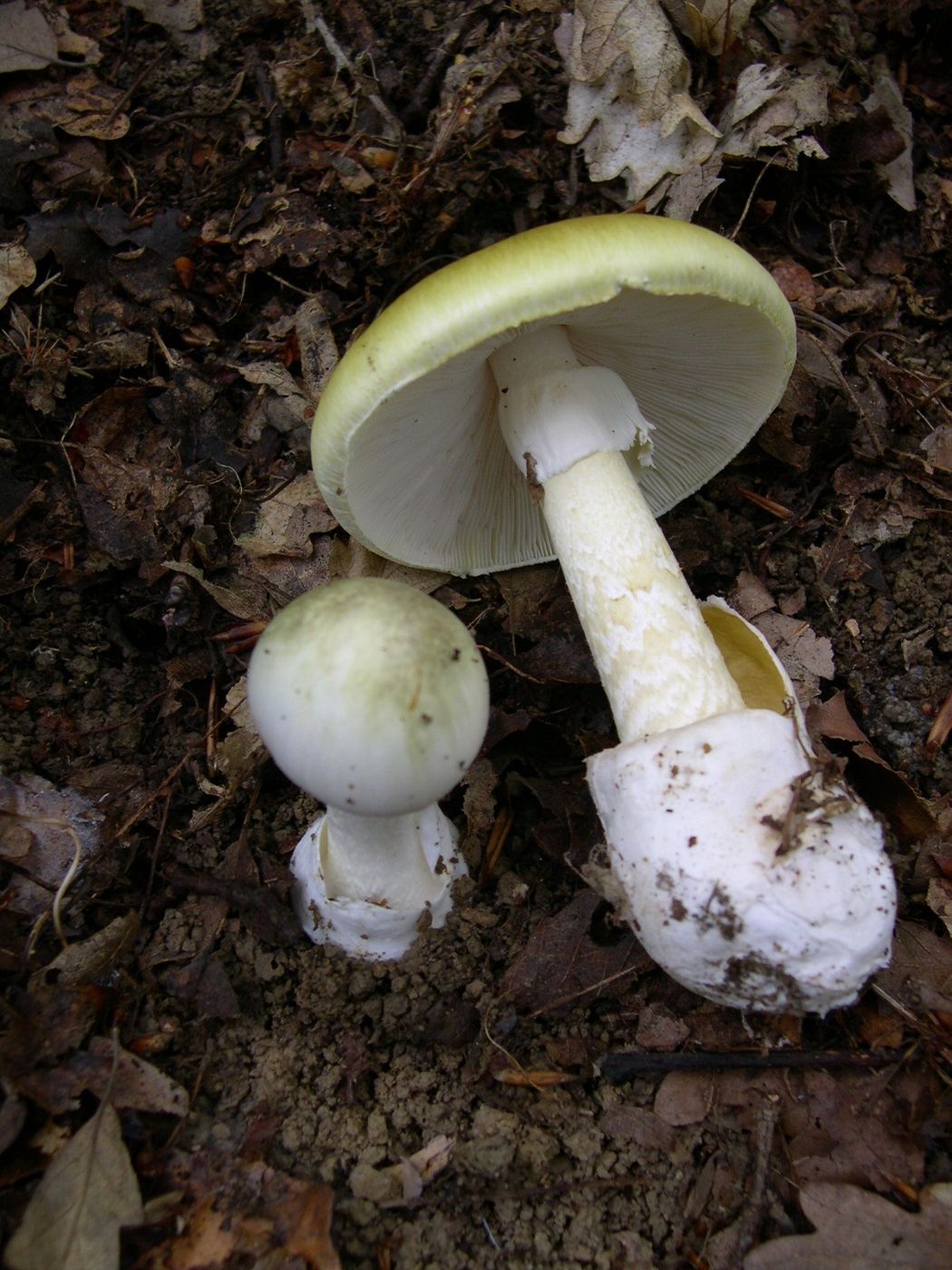
Amatoxins, the group of cyclic peptides responsible for the majority of fatal mushroom poisonings (found in Amanita species such as Amanita phalloides), are highly heat-stable. Ordinary cooking temperatures won’t break them down, and they remain toxic even after extended boiling or drying. Other dangerous compounds, such as orellanine (in some Cortinarius species), are also persistent and can cause delayed kidney damage even after processing. With these toxins, no home method will make the mushroom safe.
Some toxins are partly water-soluble and historically people have tried repeated parboiling, discarding the water, or fermenting to reduce symptoms. For example, gyromitrin (from some false morels, Gyromitra spp.) can be reduced by extreme processing because it hydrolyzes to monomethylhydrazine, which may be partially lost during extensive boiling and drying; however, this is not reliable, varies by specimen and preparation, and still carries documented risk of severe poisoning. That’s why food safety authorities and mycologists advise against trying to ‘detox’ suspicious mushrooms at home.
Folk tests and kitchen shortcuts are misleading and dangerous. Common myths—like that poisonous mushrooms will blacken a silver spoon, that they won’t be eaten by animals, that cooking removes toxins, or that bad smell equals poison—have no scientific basis. Some deadly species smell pleasant or bland, and some edible species can produce adverse reactions in certain people. Never use anecdotes, animals’ behavior, or simple home tests to judge safety.
If you suspect someone has eaten a wild mushroom, call your local poison control center or emergency services immediately and keep a sample (in a sealed container) for identification; do not wait for symptoms to appear. Medical professionals need to know what was eaten because many mushroom poisonings have delayed onset and treatment depends on the specific toxin involved. For pets and children, act fast and bring the mushroom sample with you to a veterinarian or emergency clinic if possible.
When in doubt, treat wild mushrooms as potentially hazardous. If you’re trying to determine whether a specimen is an edible species or a dangerous look-alike, photograph the cap (top and underside), the gills or pores, the stem including the base (pulling or excavating gently to show any sac-like volva), and the habitat it was growing in. Let Shroomly suggest likely species and toxic look-alikes, and always confirm with a local mycological society or an expert who can examine the actual specimen before considering any use.