


One of the most common questions after a suspected mushroom ingestion is when symptoms will start. The honest answer is: it depends. Different groups of mushroom toxins act on different organs and produce symptoms on very different schedules. Some mushrooms make you sick quickly but the effects are short-lived; others cause an initial stomach upset or no symptoms at all, then damage the liver, kidneys or nervous system days later. Onset time can provide clues, but it is not a reliable way to judge how dangerous an exposure might be.
The fastest‑acting exposures are usually simple gastrointestinal irritants and many psychoactive species. GI irritants — mushrooms that cause nausea, vomiting, cramps and diarrhea — often begin within 15 minutes to a few hours after eating. Many cases resolve with supportive care, but dehydration can be serious, especially for children and the elderly. Psychoactive mushrooms containing psilocybin typically produce effects within 20 to 60 minutes, including altered perception, dizziness and nausea; those symptoms relate to central nervous system effects rather than organ toxicity.
Some neurotoxic and muscarinic toxins have intermediate timing. Species such as those containing muscarine (historically found in some Inocybe and Clitocybe species) can cause sweating, salivation, tear and nasal discharge, abdominal pain and slow heart rate within 15 minutes to a few hours. Other neurotoxins — for example the amatoxins are not neurotoxins but other groups like gyromitrin (from Gyromitra species) — can cause early GI symptoms that may obscure later, more serious effects. Rapid onset does not always mean mild illness, and slow onset does not always mean less dangerous.
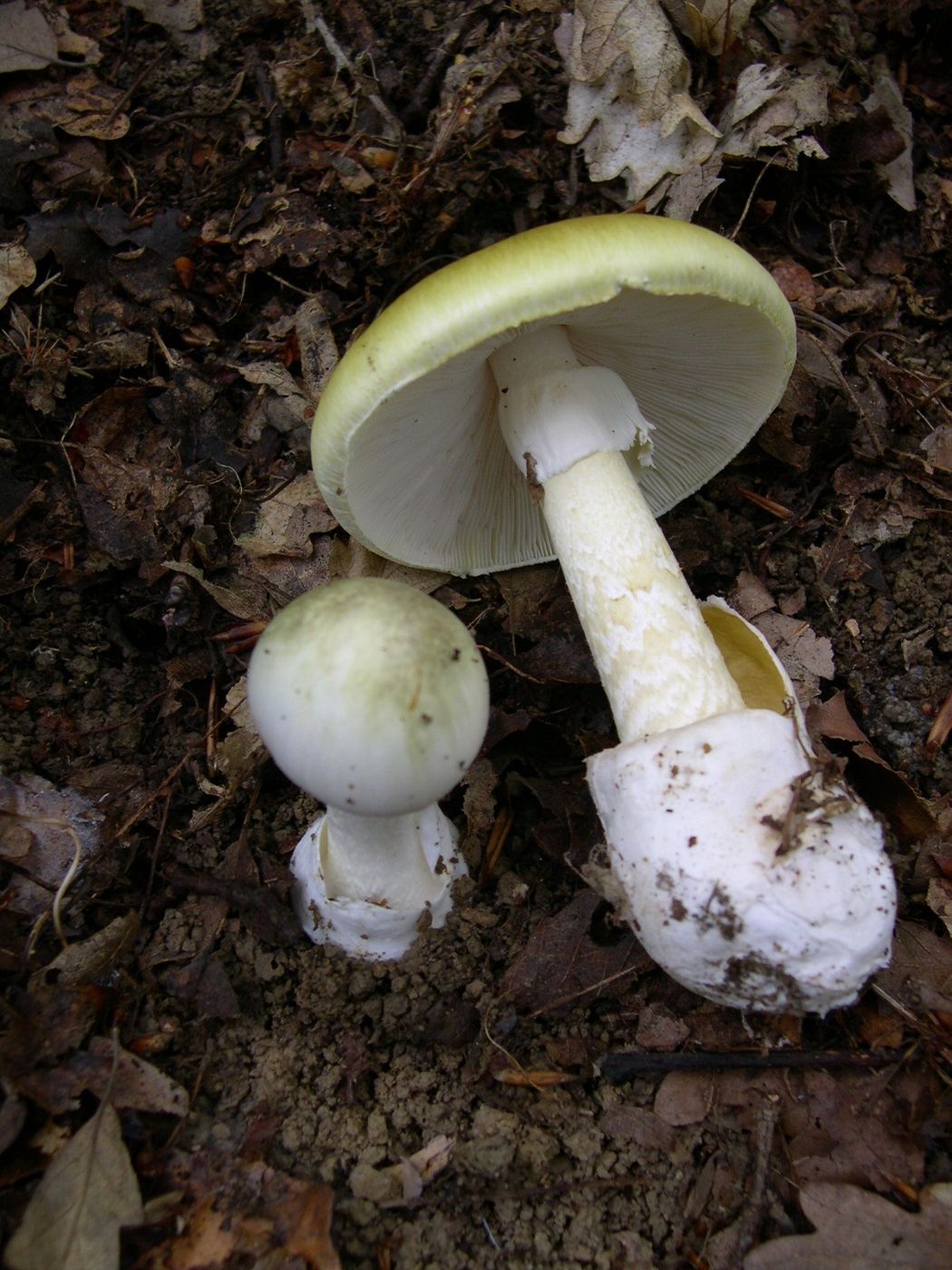
The most important exceptions are the so‑called delayed‑toxicity mushrooms. Amatoxin‑producing species such as Amanita phalloides (death cap), Amanita virosa (destroying angel) and some Galerina species can show a deceptive clinical course: an initial latent period of 6 to 24 hours (sometimes a little longer) with little or no symptoms, then severe gastrointestinal distress, and after a short seeming improvement, progressive liver failure over the next several days. Another delayed example is orellanine poisoning from some Cortinarius species, where symptoms may not appear for 2 to 3 days (or even up to two weeks) and the primary danger is kidney damage.
Because timing alone can't rule in or out a serious poisoning, medical evaluation is essential after any non‑trivial wild mushroom ingestion or if symptoms develop. If you suspect someone has eaten a wild mushroom, call your local poison control center or emergency services immediately; in the U.S. call Poison Help at 1‑800‑222‑1222. Bring or preserve a sample of the mushroom (several photos and a refrigerated specimen, if possible) for identification — do not induce vomiting or attempt home remedies unless instructed by a medical professional. Prompt identification can change management, especially for delayed‑onset toxins where early hospital monitoring and treatment improve outcomes.
Folk tests and quick rules of thumb are unreliable and can be dangerous. Tests like seeing whether a silver spoon tarnishes, whether the mushroom peels, whether animals eat it, or whether cooking removes the toxin are myths; many deadly species look like edible ones, and some toxins are heat‑stable or not obvious without laboratory or expert assessment. Only a trained mycologist or clinician who can examine the actual specimen (or high‑quality photos and spore prints) can help determine likely identity and risk — and even then, laboratory toxin assays or clinical monitoring may be needed.
If you find an unknown mushroom at home or someone has eaten one, photograph the cap, gills and the stem base (remove soil to show any volva) and keep any leftover pieces in a sealed container in the fridge. Let Shroomly suggest likely species and toxic look‑alikes from your images, but remember an app cannot confirm edibility — always follow up with a local mycological society or medical expert for confirmation and, in cases of suspected poisoning, contact poison control or emergency services right away.