

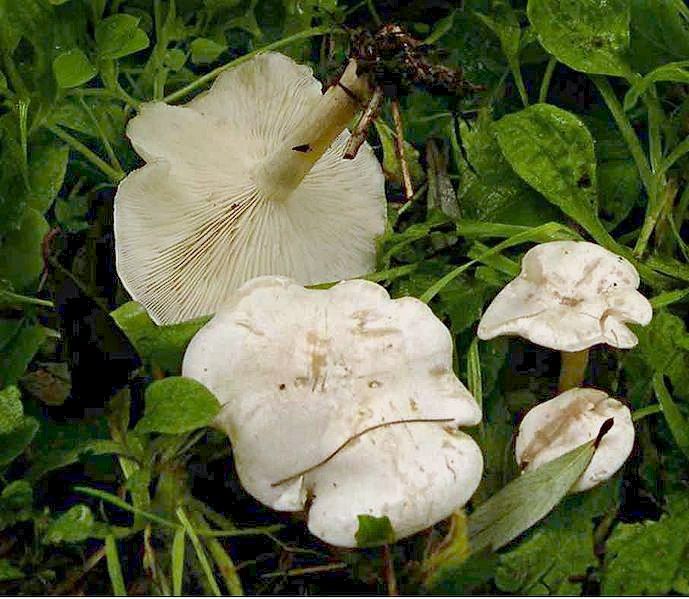
If your dog ate a wild mushroom, call your vet or an animal poison control service right away, even if the dog seems completely normal. Do not wait for symptoms. Some of the most dangerous mushrooms, such as death caps and other amatoxin-containing species, cause no visible signs for six to twelve hours or longer, and by the time vomiting starts, liver damage may already be under way. Early treatment gives the best chance.
While you call, collect evidence. Put any remaining mushrooms from the area into a paper bag or wrap them in paper, not plastic, and keep them in the fridge if you can. Photograph mushrooms still growing, including the cap, the underside, and the base. Note roughly how much your dog ate and when. If your dog vomits, a vet may want to see what came up. Identification of the mushroom often changes how aggressively a vet treats.
Do not induce vomiting or give salt, hydrogen peroxide, milk, or anything else unless a vet tells you to. Home remedies can cause their own injuries and waste time. Your vet may decide to make your dog vomit at the clinic, give activated charcoal, or start monitoring blood tests and fluids depending on the likely species and the timing.
Signs of mushroom poisoning in dogs vary by toxin. Vomiting, diarrhoea, and drooling are common to many. Some mushrooms cause wobbliness, disorientation, tremors, or seizures; others cause a slow heart rate and heavy salivation. Amatoxin poisoning can look like a short stomach upset that seems to resolve before the dog becomes seriously ill a day or two later, which is why an apparent recovery is not reassurance.
Prevention is mostly about habits. Walk the garden after rainy spells and remove mushrooms before your dog finds them, keep dogs on a lead in parks where mushrooms are fruiting, and train a solid 'leave it'. Some dogs seem to seek out certain mushrooms by smell, so a dog that has eaten one before is likely to try again.
Shroomly can help you put a name to the mushrooms in your garden or on your regular walks: photograph them and check whether any are known to be toxic, so you know which spots need extra attention. In an emergency, though, the right first step is always the phone call to your vet, with the app result and the sample as supporting information.