


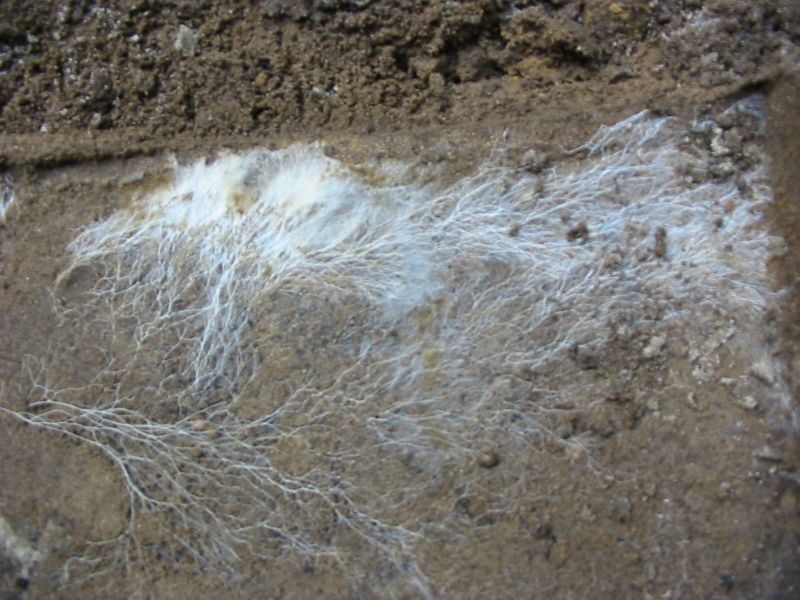
The sudden appearance of mushrooms among tomato beds, flowering borders, or raised garden boxes often alarms gardeners who worry their plants are under fungal attack. In reality, mushrooms are merely the brief reproductive structures of extensive subterranean fungal networks that have likely lived in your soil for months. Far from damaging healthy garden crops, the presence of wild mushrooms generally indicates fertile, active soil packed with decomposing organic matter. Understanding why these fungi appear and how they interact with plant roots can transform that initial instinct to eradicate them into an appreciation for an indispensable ecological ally.
Most mushrooms that appear in home gardens are saprotrophic, meaning they survive entirely by consuming dead plant debris rather than parasitizing living roots. Soil enriched with compost, leaf mold, shredded wood mulch, or aged manure provides an abundant banquet of complex carbohydrates for these fungi. As microscopic fungal threads called hyphae weave through the earth, they secrete specialized digestive enzymes capable of breaking down tough structural compounds like lignin and cellulose, which earthworms and soil bacteria cannot easily dismantle on their own. This steady decomposition unlocks tied-up phosphorus, potassium, nitrogen, and essential micronutrients, converting them into bioavailable forms that your vegetables, shrubs, and flowers can readily absorb.
Beyond liberating trapped nutrients, fungal activity dramatically improves the physical structure and water dynamics of garden soil. The extensive subterranean web of mycelium acts as a biological binder, weaving loose silt, clay, and sand particles into stable soil aggregates. These crumbly aggregates create an open, porous architecture that prevents compaction, encourages deep root growth, and allows excess rainfall to drain freely without suffocating delicate root hairs. At the same time, mycelial networks function like enormous natural sponges, absorbing moisture during wet spells and slowly releasing it into surrounding soil pores, which helps buffer neighboring garden plants against sudden dry spells.
Despite their immense value to soil fertility, the emergence of garden mushrooms demands strict safety awareness from anyone tending the soil. Cultivated garden beds, potting mixes, and mulched pathways frequently sprout toxic wild species alongside harmless decomposers. In warm weather, species such as Chlorophyllum molybdites, commonly called the green-spored parasol, or small brown species from the genera Conocybe and Panaeolus routinely establish themselves in rich soils. Gardeners must never rely on dangerous folk rules, such as the myth that wild mushrooms growing alongside edible garden vegetables must also be safe, or that cooking, boiling, or peeling caps neutralizes fungal poisons. Heat does not destroy dangerous amatoxins or gastrointestinal irritants, and only a trained expert who has physically examined a fresh specimen can confirm whether a wild fungus is safe to eat.
When a garden is shared with young children or inquisitive pets who might ingest unfamiliar yard finds, taking sensible management precautions is always wise. Chemical fungicides should never be applied to garden beds, as they disrupt beneficial soil biology and fail to eradicate the vast mycelium living deep underground anyway. Instead, simply plucking the visible mushroom caps by hand and tossing them into the household trash eliminates the risk of accidental ingestion without harming the underlying fungal network. Touching a toxic mushroom cannot poison you because fungal toxins must be ingested to enter the bloodstream, though washing your hands afterward is sound practice. If you ever suspect a child or pet has swallowed an unidentified garden mushroom, contact your local poison control hotline or veterinary emergency clinic immediately, and keep a complete sample in a paper bag for identification rather than waiting for symptoms to begin.
Learning to observe and document the mushrooms that visit your garden beds is one of the most rewarding ways to monitor your soil's living ecosystem. Whenever an unfamiliar specimen appears, photograph the top of the cap, the gills or pores on the underside, and the entire stem down to the soil line so that key identification markers are preserved. Submitting those clear pictures to the Shroomly app can quickly help you explore likely species, compare diagnostic details, and screen for potentially hazardous look-alikes. For any question regarding edibility or handling, always share your physical specimens with an experienced local mycological society before coming to any conclusions.