


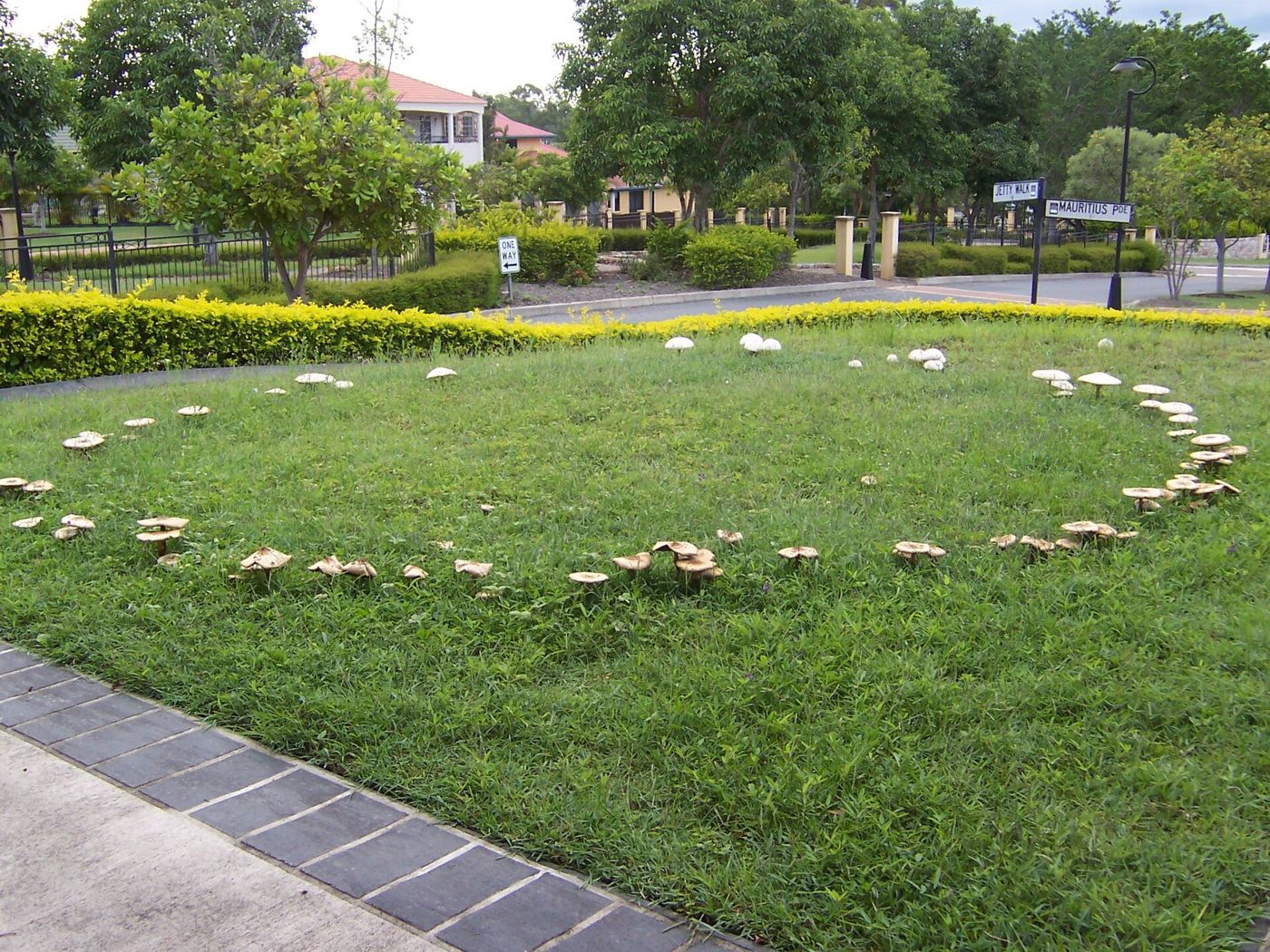
Many rabbit owners let their pets graze on the lawn or keep them in an outdoor run, and after a spell of damp weather it is common to find mushrooms popping up overnight among the grass. Rabbits are curious, constant grazers, and while many will ignore fungi, others will happily nibble anything new in their space. Most lawn mushrooms are relatively harmless, but some are genuinely dangerous, and a few of the most toxic species in the world can turn up in ordinary gardens, parks and hedgerows. Because there is no reliable way for an owner to know which kind is growing in the run, the safest approach is to treat every wild mushroom as potentially poisonous to your rabbit.
Several groups of mushrooms are a particular concern. Amanita species such as the death cap (Amanita phalloides) and destroying angels (Amanita virosa in Europe, Amanita ocreata and Amanita bisporigera in North America) contain amatoxins that damage the liver and kidneys in mammals. Small brown Galerina species and some Lepiota dapperlings carry the same toxins. Fibrecaps (Inocybe) and some small white Clitocybe species, including the ivory funnel (Clitocybe dealbata), contain muscarine, which can cause drooling and other nervous system effects. In North American lawns the green-spored parasol (Chlorophyllum molybdites) is a frequent cause of severe stomach upset, and many other common lawn and woodland species can irritate the gut. How individual species affect rabbits specifically is not well studied, which is one more reason to avoid guessing.
Rabbits face a special problem because they physically cannot vomit. A person or a dog may bring up part of a toxic meal, but anything a rabbit swallows stays in its digestive system. Rabbits also rely on a gut that must keep moving constantly; anything that upsets it can trigger gastrointestinal stasis, a dangerous slowdown that can become life-threatening on its own. You may hear that wild rabbits, slugs or squirrels eat mushrooms without harm, or even that rabbits tolerate certain toxins better than people. None of this makes a mushroom safe. Animals vary in how they handle different toxins, and a wild rabbit that survives a nibble tells you nothing about what the same mushroom will do to your pet, or to you.
Signs that a rabbit may have eaten something toxic can include a sudden loss of appetite, fewer or no droppings, a hunched posture or reluctance to move, teeth grinding that suggests pain, drooling, diarrhoea, weakness, wobbliness, tremors or seizures. Some of the most dangerous toxins, including amatoxins, can cause a delay of many hours before any signs appear, and an animal may even seem to improve before serious organ damage becomes obvious. Rabbits are also prey animals that naturally hide illness, so by the time you notice something is wrong the problem may be well advanced. This is why waiting to see whether symptoms develop is never a safe option.
If you see your rabbit eat a wild mushroom, or find chewed mushrooms in its run, contact your vet, an emergency vet or an animal poison control service immediately, even if your rabbit seems perfectly well. Do not try home remedies, do not attempt to make your rabbit sick, and do not wait for symptoms. Collect a sample of the mushroom, ideally a whole specimen including the base of the stem, using gloves or a paper bag, and keep it in a paper bag or container rather than plastic so it does not turn to mush. Take a few clear photos of where it was growing as well. This can help a vet or mycologist work out what your rabbit may have been exposed to.
Prevention is mostly a matter of routine. Check lawns and runs each morning during wet, mild weather, especially in late summer and autumn, and remove any mushrooms you find, bagging them and putting them in the bin rather than on the compost. Remember that mushrooms are only the fruiting bodies of a hidden mycelium in the soil, so they often reappear after the next rain. Move portable runs away from patches that keep fruiting, avoid placing hutches beside rotting stumps, wood chip or mulch beds, and be careful when collecting fresh grass or forage for indoor rabbits so that no fungi end up mixed in.
If mushrooms keep appearing where your rabbit grazes, it can help to know what they are. Photograph the cap from above, the gills or pores underneath, and the stem right down to its base, and let Shroomly suggest likely species along with any toxic look-alikes to watch for. Treat that result as a starting point, not a verdict: a photo cannot rule out a dangerous species, and some deadly mushrooms closely resemble harmless ones. Confirm any identification with a local mycological society or an expert who can examine the actual specimen, and if there is any chance your rabbit has eaten one, call your vet first and identify later.