


Most people associate wild mushrooms with damp autumn days or warm spring rains, assuming that the arrival of frost and snow puts an absolute end to the fungal season. In reality, fungi do not vanish when winter arrives. Beneath the frozen ground or insulated beneath thick blankets of forest leaf litter and snow, vast fungal networks called mycelium remain very much alive. For several specialized species, winter is not a period of dormant retreat, but an opportune time to send up fruiting bodies and release spores when competition from molds, insects, and competing organisms is at an annual low.
The secret to fungal winter survival lies in the microscopic cellular makeup of mycelium. When soil temperatures plummet below freezing, ice crystals could theoretically pierce and destroy cell walls, just as they do in tender plant tissue. Fungi protect themselves by synthesizing cryoprotectants—natural sugar alcohols like mannitol, trehalose, and glycerol—that lower the freezing point within their hyphae and prevent lethal internal crystallization. Water between cells may freeze safely, while the fungal living core remains protected. This cellular adaptation allows established perennial mycelium to survive prolonged sub-zero temperatures, sometimes for decades, without losing viability.
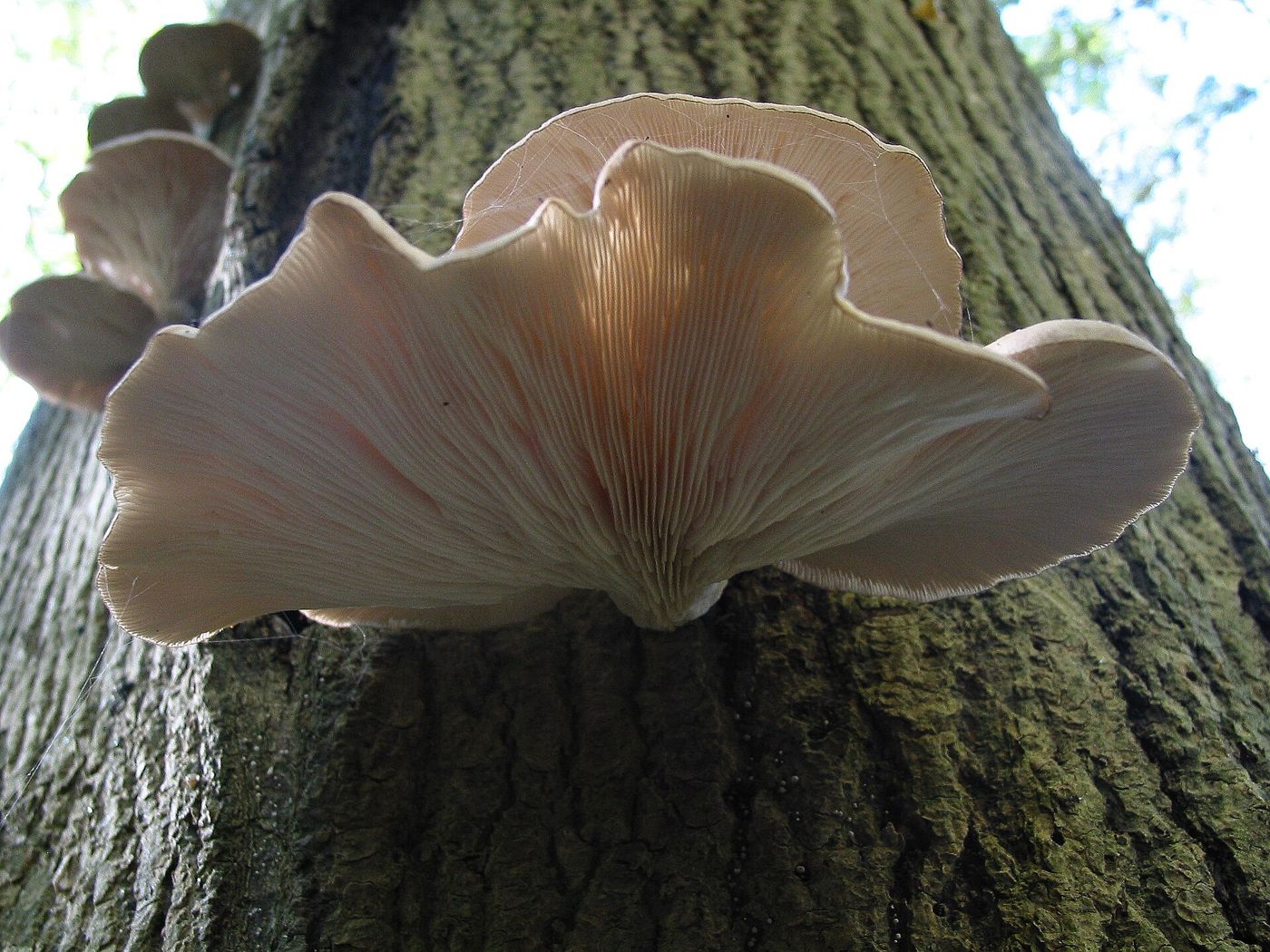
Beyond merely enduring the frost beneath the surface, several fungi actively capitalize on cold weather to produce mushrooms. Species such as the wild oyster mushroom (Pleurotus ostreatus) frequently emerge on hardwood logs following a winter thaw or unseasonably mild spell, capable of freezing solid and thawing repeatedly without turning immediately to mush. Another well-known cold-weather dweller is the velvet shank (Flammulina velutipes), which produces golden, gelatinous caps on dead deciduous trees throughout freezing winter months across the Northern Hemisphere. Perennial bracket fungi and conks, such as the hardy artist's conk (Ganoderma applanatum), also persist year-round, their dense woody structures impervious to snow and ice.
Because winter woods appear quiet and sparsely populated, novice foragers sometimes develop a false sense of security, assuming that toxic species must all be killed off by the cold. This is a hazardous misconception. Deadly species, including the funeral bell (Galerina marginata), contain potent amatoxins and frequently share the same decaying hardwood logs as cold-hardy species like velvet shank or oyster mushrooms. Freezing weather does not neutralize or break down fungal toxins; an amatoxin-laden cap remains just as lethal after being frozen and thawed as it was in mid-summer. Folk beliefs suggesting that frost renders mushrooms harmless, or that animals eating frozen fungi indicates safety, are dangerously untrue.
Cold weather also alters the physical characteristics that foragers rely on for accurate field identification. Repeated freezing and thawing can warp cap colors, split margins, darken gills, and degrade distinctive features like stem rings or universal veil remnants, making a deadly specimen look remarkably generic or deceptive. Furthermore, old, waterlogged winter specimens can harbor bacteria and secondary molds that cause severe gastrointestinal distress even if the fungal species itself were benign. Edibility can only ever be verified by a seasoned mycological expert who examines the fresh, intact specimen in hand, and wild mushrooms should never be tasted or consumed based on unverified assumptions.
If you discover wild mushrooms braving the winter chill on a dead tree or fallen log, the safest approach is to document them thoroughly without attempting to harvest them for the table. Take clear, sharp photographs showing the top of the cap, the underside detailing the gills or pores, and the point where the stem connects to its substrate or base. Uploading these images to Shroomly can instantly help you narrow down the fungal family, suggest likely species, and highlight potential toxic look-alikes active in your region. You can then share your findings with a local mycological society or expert identifier to deepen your understanding of how fungi survive and thrive in every season of the year.