


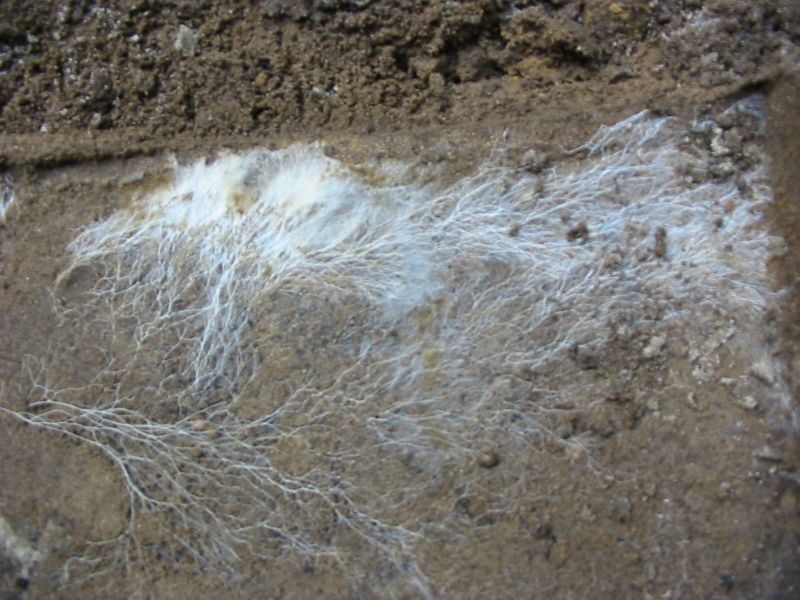
If you have ever removed mushrooms from your lawn only to find new ones in the same spot a week later, or wondered whether picking a mushroom in the woods harms the fungus, the answer lies in what a mushroom actually is. The cap and stem you see are the fruiting body, a short-lived reproductive structure comparable to an apple on a tree. The real organism is the mycelium, a network of microscopic threads called hyphae that runs through soil, leaf litter, buried roots or decaying wood. That network can be far larger than any single mushroom and can live for years, sometimes much longer. Picking the fruiting body removes one batch of spore-producing tissue, but it usually leaves the living fungus underneath untouched.
Mushrooms tend to appear in flushes. When the mycelium has stored enough energy and conditions line up, typically a combination of moisture, suitable temperatures and seasonal cues, it pushes up a wave of fruiting bodies. If the weather stays favorable, a second or third flush can follow in the same place within days or weeks. This is why lawn mushrooms seem to return so quickly after mowing or pulling, and why many people find the same species in the same patch of woodland year after year. The fungus has not regrown from scratch; it has simply fruited again from the same established network.
The question of whether picking harms wild fungi has been studied over long periods. One of the best known efforts, a Swiss study run for roughly three decades in forest reserves, compared plots where mushrooms were regularly harvested with plots where they were left alone. The researchers found that harvesting by itself did not reduce the number of mushrooms produced or the variety of species over time. What did reduce fruiting was trampling of the forest floor, which compacts soil and damages the fine mycelium and young developing mushrooms just below the surface. In other words, the boots of visitors appear to matter more than the hands picking caps, which is a good reason to stay on paths where possible and avoid churning up the same ground repeatedly.
People also argue about whether you should cut a mushroom at the base or twist it out of the ground. Research comparing the two methods has generally found little lasting difference to the fungus, since the mycelium is spread widely and is not destroyed by removing one stem. For identification, however, collecting the whole mushroom, including the very bottom of the stem, is important. Many deadly species, including Amanita phalloides (death cap) and Amanita virosa (destroying angel), have a sac-like volva at the base that is often buried in soil or leaf litter. Cutting a mushroom off at ground level can leave behind exactly the feature an expert needs to see, which is one reason careless picking can lead to dangerous misidentifications.
There are good reasons for restraint even if the fungus itself survives. Mushrooms release spores that help the species spread, so leaving some fruiting bodies in place supports future generations, and many insects, slugs and small mammals depend on them as food. Some places protect fungi by law or by local rules, including nature reserves, national parks and certain public lands, and collecting may be banned or limited. Picking a mushroom also tells you nothing about whether it is safe; regrowth in the same spot does not mean the species is harmless, and some deadly species look like popular edible ones. Only an expert who has examined the actual specimen can confirm whether a mushroom is edible, and folk tests such as peeling the cap, smell, silver spoons or seeing animals eat it are unreliable. If anyone may have eaten a wild mushroom, call poison control or emergency services immediately and keep a sample of the mushroom.
If mushrooms keep returning to your yard, it is a sign of a healthy fungal network breaking down organic matter such as buried wood, roots or thatch, and removing the caps will not stop them for long. If children or pets use the area, picking them promptly reduces the chance of someone eating one, even though more may appear. To find out what you are dealing with, photograph the cap from above, the gills or pores underneath and the full stem down to its base, then let Shroomly suggest likely species and highlight toxic look-alikes. Treat that result as a starting point rather than a verdict, and confirm any identification with a local mycological society or an experienced expert who can examine the mushroom in person.