


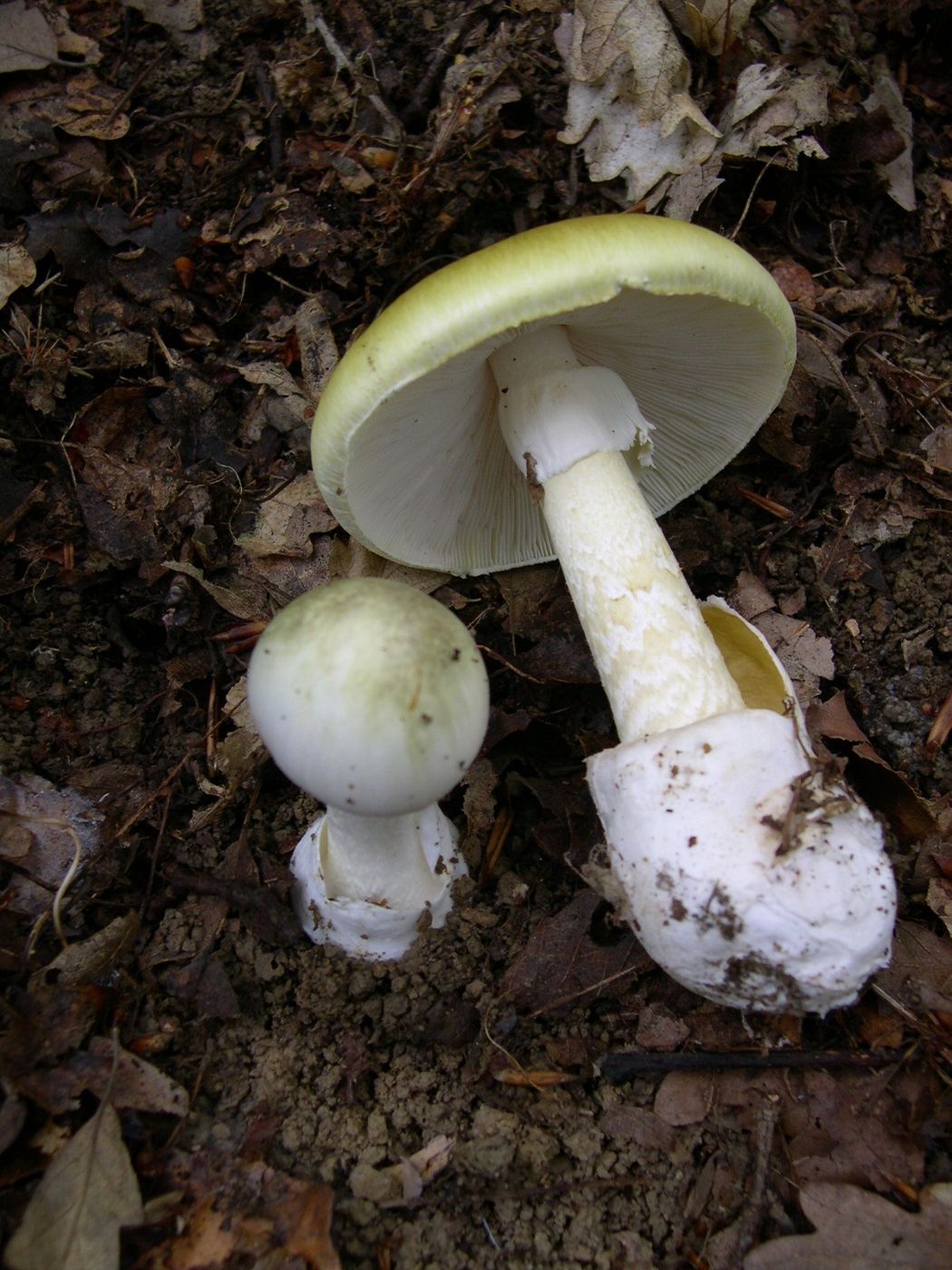
It is one of the most common questions people ask after spotting a mushroom on a walk: why would a living thing that looks so harmless be capable of making someone seriously ill, or worse? The short answer is chemistry. Many fungi produce compounds known as secondary metabolites, substances that are not strictly needed for basic growth but that can have powerful effects on other organisms. A handful of these compounds happen to disrupt processes that human cells, organs or nerves depend on. When that happens, we call the mushroom poisonous. But the deeper question of why a fungus would make such substances in the first place is more interesting, and scientists are still working out the full answer.
One widely discussed idea is defense. A mushroom is the short-lived reproductive structure of a much larger fungus that lives hidden in soil, wood or leaf litter as a web of threads called mycelium. The mushroom exists to release spores, and anything that eats it before that job is done could reduce the fungus's chance of reproducing. Toxic or bitter compounds might discourage slugs, insects, mammals or competing microbes. This is a reasonable hypothesis, and some fungal chemicals clearly do repel or harm certain small creatures. However, the evidence is mixed. Many deadly mushrooms are eaten by slugs and insects without obvious harm, and some fungus-feeding fruit flies in the genus Drosophila are known to tolerate amatoxins, the toxins found in death caps. So defense may explain some toxins, but probably not all of them.
Another explanation is that toxicity to humans is often an accident. Fungi produce an enormous range of chemicals for their own purposes, such as breaking down wood, competing with bacteria, signaling, or storing nitrogen. A compound that is useful or neutral to the fungus may simply happen to fit into a human enzyme or receptor in a damaging way. We are large, long-lived mammals that rarely featured in the evolutionary history of most forest fungi, so there is no reason to expect mushrooms to be harmless to us. From the fungus's point of view, a person eating a mushroom is an unusual event, and the harm that follows is a coincidence of biochemistry rather than a targeted strategy.
Different poisonous mushrooms cause harm in very different ways, which is part of why they cannot be lumped together. Amatoxins, found in species such as the death cap (Amanita phalloides), destroying angels (Amanita virosa and related species) and the funeral bell (Galerina marginata), block an enzyme that cells need to make proteins, which can lead to severe liver and kidney damage, often after a delay during which the person may feel better. Orellanine, found in some webcaps such as Cortinarius rubellus, targets the kidneys and can take days to show symptoms. Muscarine, present in many Inocybe and some Clitocybe species, overstimulates parts of the nervous system, causing sweating and salivation. Ibotenic acid and muscimol in the fly agaric (Amanita muscaria) affect the brain. Other species, like sulphur tuft (Hypholoma fasciculare) or the yellow stainer (Agaricus xanthodermus), mainly cause gastrointestinal upset. Some compounds, such as coprine in the common ink cap, only cause trouble when combined with alcohol.
Because these toxins evolved, or arose, independently in unrelated groups of fungi, poisonous mushrooms do not share any common look. Deadly species can be white, green, brown, yellow or orange. They can grow in lawns, woods or on logs. Closely related species may differ completely in toxicity, and a deadly mushroom can sit in the same genus as a popular edible one. This is exactly why folk tests fail. A silver spoon does not darken in the presence of amatoxins, peeling the cap tells you nothing, a pleasant smell or mild taste is no guide (survivors of death cap poisoning have reported that it tasted fine), and animals eating a mushroom says nothing about whether it is safe for people. Cooking, drying or boiling does not reliably destroy many of the most dangerous toxins, including amatoxins.
It is also worth remembering that toxicity is not always a simple yes or no. Some mushrooms affect certain people more than others, some cause problems only when eaten raw or in quantity, and some species have been reclassified as harmful after decades of being considered edible. The yellow knight (Tricholoma equestre), for example, was long eaten in parts of Europe before being linked to serious muscle damage. This uncertainty is one more reason that edibility can only be confirmed by an expert who has examined the actual specimen, and why some deadly species are so dangerous: they look convincingly like familiar edible ones. If anyone may have eaten a poisonous mushroom, call poison control or emergency services immediately and keep a sample of the mushroom, even if no symptoms have appeared yet.
If you are curious about a mushroom you have found, the safest first step is to learn what it might be rather than guessing. Take clear photos of the top of the cap, the gills or pores underneath, and the full stem including the base, which may need gently digging out to reveal a volva or bulb. Shroomly can use those photos to suggest likely species and flag toxic look-alikes, helping you understand what features to check. Treat that result as a starting point, not a verdict, and confirm any identification with a local mycological society or an experienced expert who can examine the specimen in person. Never eat a wild mushroom based on a photo, an app result or a single trait.