


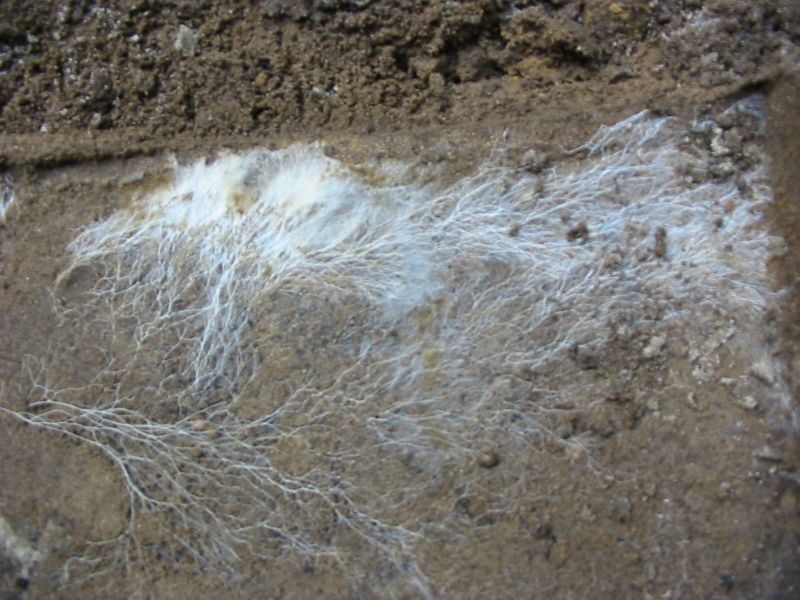
The idea that mushrooms might communicate has captured the public imagination in recent years, sparked by captivating documentaries and headlines claiming fungi can talk to one another. While fungi do not possess vocal cords, brains, or conscious thoughts, modern mycology has revealed that they are far from passive organisms waiting blindly beneath the damp soil. The true body of a fungus is its mycelium, an expansive underground web woven from microscopic filaments called hyphae. Because a single mycelial network can stretch over hundreds of square feet and encounter diverse microclimates, it requires a way to coordinate its behavior across vast distances. Biologists have discovered that fungi achieve this through a dynamic mixture of biochemical messaging and electrical signaling.
At a biochemical level, fungal communication operates through signaling molecules that travel through the hyphal cytoplasm and the surrounding soil. When one part of the mycelium discovers a rich pocket of decomposing wood or leaf litter, it releases chemical messengers, including signaling proteins and hormones, that trigger neighboring hyphae to redirect their growth toward the food source. Similarly, when a fungus encounters a hostile patch of soil tainted by heavy metals or competing bacteria, it synthesizes defensive compounds and chemically signals distant hyphae to bypass the zone. Hyphae can also communicate directly with one another through anastomosis, a process where adjacent filaments recognize their own species through surface receptors, fuse together, and merge their internal fluids to share nutrients seamlessly.
Even more astonishing is the discovery that fungi transmit electrical impulses across their mycelium in ways that closely resemble the action potentials found in animal nerve cells. In laboratory studies on species such as the split gill mushroom (Schizophyllum commune) and honey fungus (Armillaria mellea), researchers have attached tiny microelectrodes directly to fungal threads. These experiments revealed regular, rhythmic spikes in electrical potential that travel along hyphae at measurable speeds. When an edge of the colony is mechanically wounded, exposed to sudden temperature shifts, or fed a new nutrient source, the frequency and pattern of these electrical spikes change dramatically. These electrical waves ripple through the colony, allowing the fungus to mobilize defenses or divert moisture to support sudden fruiting bodies elsewhere in the web.
Fungal communication extends beyond internal colony coordination to include profound interactions with neighboring plant life. In mycorrhizal partnerships, fungal hyphae envelop or penetrate the roots of trees, creating an ecological conduit often nicknamed the wood wide web. Through these mutualistic connections, the fungus provides the tree with water, nitrogen, and phosphorus in exchange for plant sugars generated by photosynthesis. Studies have demonstrated that these shared networks can also transmit warning signals between trees. If aphids attack a specific oak or pine, the besieged tree synthesizes volatile defense chemicals and transmits stress signals through the connected mycorrhizal mycelium, allowing adjacent trees to bolster their chemical defenses before the pests arrive.
While the science of fungal signaling is groundbreaking, it is important to avoid anthropomorphizing fungi into creatures with human-like intelligence or formal vocabularies. Claims that fungal electrical pulses correspond to dozens of human words are speculative interpretations rather than proven facts. What nature has actually created is an extraordinarily refined biological sensor array that has evolved over hundreds of millions of years. This decentralized coordination allows fungi to thrive without a central command center, seamlessly managing the decomposition of organic matter, recycling minerals, and producing mushrooms when environmental conditions are ideal.
Encountering mushrooms rising from these subterranean communication webs is one of the joys of walking in the woods, but it also demands a disciplined approach to safety. When you spot a wild fungus, never rely on folk tests, such as checking whether animals have nibbled it or believing that toxic species always smell pungent or tarnish silver spoons, as deadly varieties like the death cap (Amanita phalloides) smell sweet and look deceptively wholesome. Edibility can only ever be confirmed by an expert who has examined the physical specimen in person. If you suspect anyone has ingested an unknown mushroom, call poison control or emergency medical services immediately and keep a physical sample for identification. You can safely explore the fungal kingdom by taking clear photographs of the cap, gills or pores, and stem base, letting the Shroomly app suggest likely species and dangerous look-alikes, and verifying your finds with a local mycological society.