


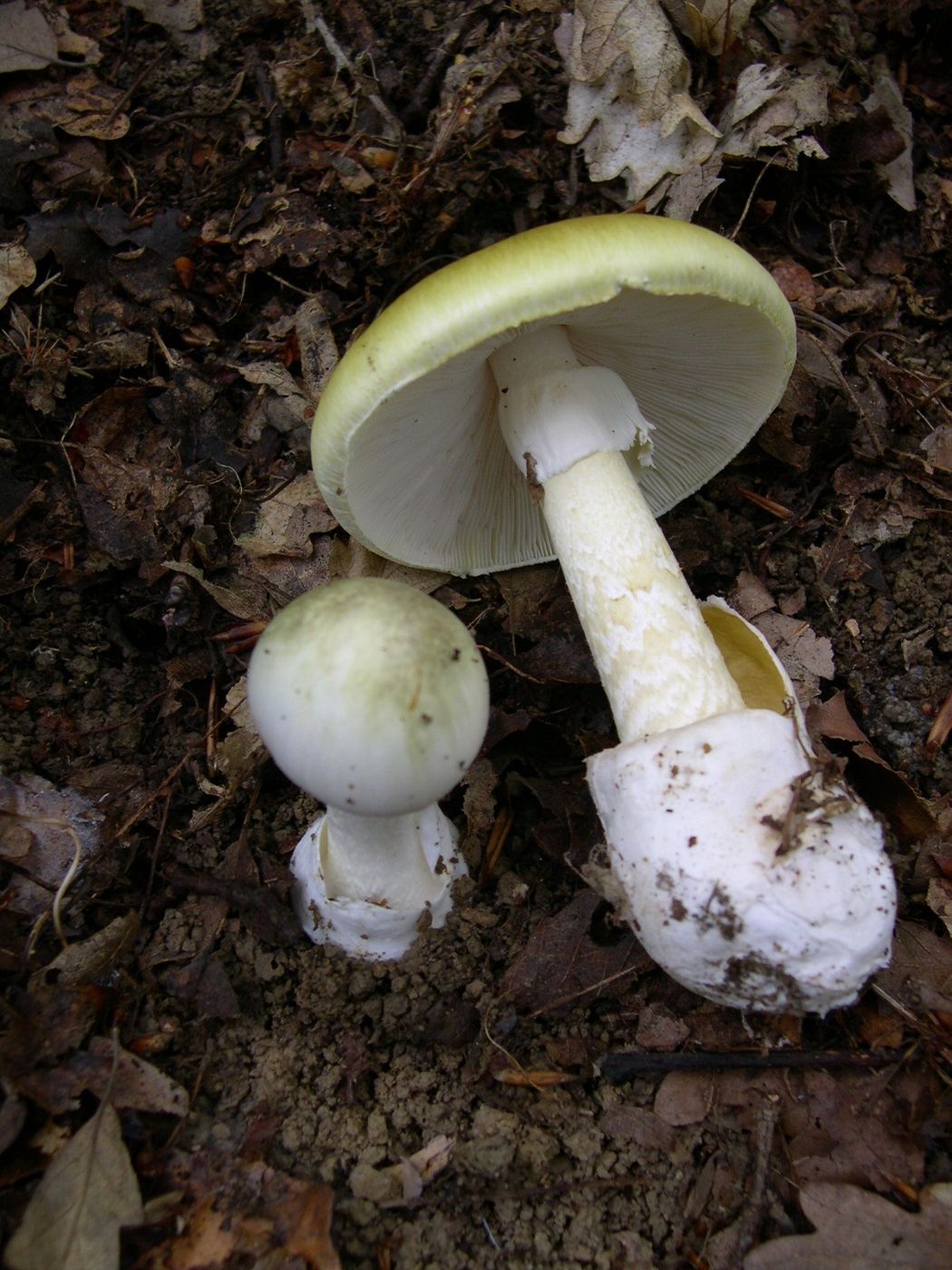
Amatoxins are a group of complex, circular peptide toxins produced by several genera of wild mushrooms, and they represent the single most dangerous chemical threat in the fungal kingdom. Epidemiological records indicate that amatoxins account for roughly ninety percent of all fatal mushroom ingestions across the globe. These compounds are extraordinarily stable; they possess a rigid molecular architecture that is completely impervious to boiling, baking, freezing, drying, or human stomach acid. Unlike many toxic plants that warn consumers with bitter alkaloids or pungent sap, amatoxin-containing fungi possess no inherent visual, chemical, or olfactory warning signs, which makes them uniquely hazardous to curious foragers, pets, and children alike.
The primary producers of amatoxins are concentrated within a handful of widely distributed fungal groups. The most notorious is the genus Amanita, specifically within section Phalloideae, which includes the infamous death cap (Amanita phalloides) and the pure white destroying angels (such as Amanita bisporigera, Amanita ocreata, and Amanita virosa). However, amatoxins are not exclusive to Amanita. They also occur in fatal concentrations within several small brown wood-rotting species, most notably the funeral bell (Galerina marginata), as well as certain delicate dapperlings within the genus Lepiota, such as Lepiota subincarnata. Because these diverse fungi grow in mixed deciduous woods, suburban lawns, and planted garden mulch, people across North America, Europe, and Australia can easily encounter them in everyday environments.
On a cellular level, amatoxins inflict catastrophic damage by targeting an essential biological mechanism. Once absorbed through the gastrointestinal tract, the toxins bind tightly to an enzyme known as RNA polymerase II inside human cells. This specific enzyme is responsible for synthesizing messenger RNA, which translates genetic instructions into vital functional proteins. By effectively shutting down RNA polymerase II, amatoxins bring protein production to a dead stop, triggering rapid cellular death. Organs with the highest metabolic activity and fastest protein turnover bear the brunt of the onslaught. Because the hepatic portal vein directs digested nutrients straight from the gut into the liver, hepatic cells absorb the highest concentration of the poison, leading to widespread, irreversible liver necrosis, often accompanied by severe acute kidney injury.
One of the most dangerous characteristics of amatoxin poisoning is its insidious clinical progression, which typically unfolds in distinct phases. Ingestion is followed by a prolonged latency period lasting anywhere from six to twenty-four hours, during which the individual feels entirely healthy while internal cellular damage silently accumulates. When symptoms finally erupt, they mimic severe bacterial food poisoning, presenting with violent abdominal cramping, persistent vomiting, and profuse watery diarrhea. This gastrointestinal storm is often followed on the second or third day by a deceptive period of apparent recovery, where nausea fades and the patient mistakenly believes the worst is over. In reality, underlying hepatic necrosis is rapidly escalating; without prompt medical intervention, jaundice, internal hemorrhaging, hepatic encephalopathy, multi-organ failure, and death can follow over the subsequent week.
Dangerous folk myths often lead foragers astray when assessing the safety of wild mushrooms. A widespread belief claims that poisonous mushrooms taste acrid, sour, or foul, yet survivors of amatoxin poisonings have consistently reported that death caps and destroying angels taste mild, tender, and pleasant. Other traditional tests—such as boiling a silver spoon with the mushrooms, testing whether the cap cuticle peels easily, or checking whether wild slugs and squirrels have chewed on the cap—are entirely baseless. Invertebrates and wild mammals have markedly different metabolic pathways, cellular receptors, and enzymatic defenses, meaning an animal can feast on an amatoxin-laden mushroom without experiencing any harm whatsoever. There is no simple trick, home remedy, or culinary technique that can neutralize amatoxins.
If you suspect that a child, pet, or adult has ingested even a tiny fragment of an amatoxin-containing mushroom, do not wait for symptoms to appear, and never attempt to treat the situation at home. Immediate emergency medical intervention is vital, as experimental therapies and intensive supportive care are far more effective before extensive liver damage has occurred. Contact your local emergency services or national poison control center immediately, and carefully gather any uneaten mushroom remnants, trimming scraps, or nearby specimens from the same patch in a paper bag to present to medical toxicologists and mycologists for identification.
Because lethal amatoxin-producing species frequently share visual similarities with harmless wild mushrooms, no wild fungus should ever be considered safe to eat based on an informal guess, a single shared trait, or an automated scan. Safe exploration starts with careful botanical study and precise observation. When you discover an unfamiliar fungus, photograph the entire specimen—including the surface of the cap, the attachment of the gills, and the underground bulb at the base of the stem. You can use the Shroomly app to review probable species matches and learn about toxic look-alikes in your region, but always consult an experienced local mycologist or your regional mycological society to physically inspect any wild specimen before drawing definitive conclusions.