


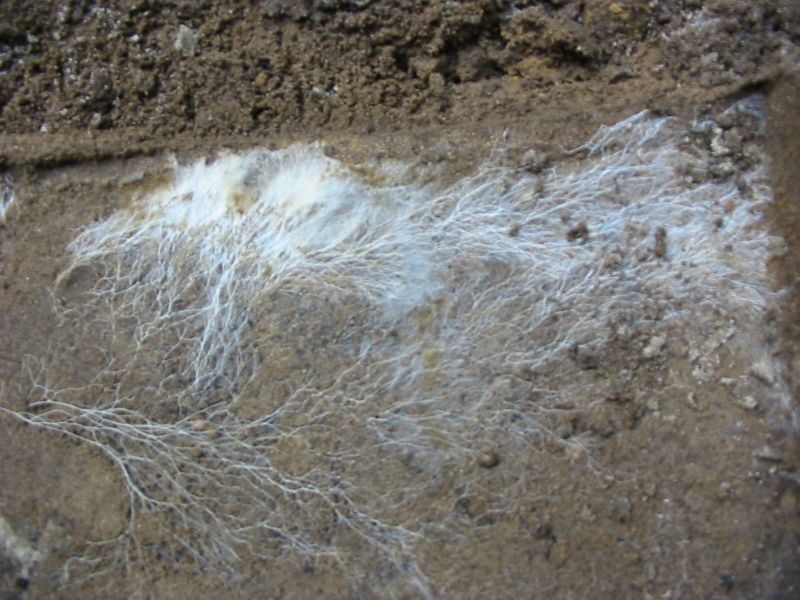
Few things in nature seem as sudden as a mushroom. You walk across a lawn one evening and see nothing, then the next morning there is a cluster of caps standing in the grass. It is easy to assume the mushroom grew from nothing in a single night, but that impression hides most of the story. The mushroom you see is the fruiting body of a fungus, a temporary reproductive structure, and the organism that produced it has usually been living out of sight for a long time. To understand how fast mushrooms grow, you have to separate the slow, hidden growth of the fungus from the fast, visible expansion of the mushroom itself.
The real body of most fungi is the mycelium, a network of microscopic threads called hyphae that spread through soil, leaf litter, wood, compost or dung. Hyphae grow at their tips, extending a little at a time as they digest and absorb nutrients from their surroundings. Under favorable warmth and moisture, mycelium can advance noticeably over days and weeks, but this growth is quiet and usually invisible to us. A fungus may spend a whole season, or many seasons, building up its network and storing resources before it ever produces a mushroom. Some fungi, such as the honey fungus species in the genus Armillaria, can occupy large areas of forest and persist for a very long time while fruiting only occasionally.
When the mycelium has enough stored energy and the environment signals that conditions are right, often a combination of moisture, temperature change and sometimes the time of year, it begins forming tiny knots of tightly packed hyphae called primordia. These are miniature, often barely visible versions of the mushroom, with the cap, gills and stem already roughly laid out. This early development can take days or longer and typically happens below the surface of the soil or inside the wood or litter, which is why you rarely notice it. By the time a mushroom seems to burst into view, much of the hard work of building it has already been done.
The dramatic final stage is driven mostly by water. Instead of creating huge numbers of new cells, many mushrooms expand cells that are already in place, drawing water up from the mycelium so that the stem lengthens and the cap swells and opens. This is why many common gilled mushrooms can go from a small button to a full-sized cap in a matter of hours to a few days, and why rain so often precedes a flush of mushrooms. The common stinkhorn, Phallus impudicus, is a famous example: it develops inside a soft egg-like structure and can then extend its stem remarkably quickly, sometimes within a few hours. Ink caps such as Coprinus comatus also develop rapidly and then break down within a day or two as they release their spores, while many small, delicate species last only a short time before collapsing or drying out.
Not every fungus works on this timescale. Many bracket fungi that grow on trees are tough and woody and develop slowly over long periods. Artist's conk, Ganoderma applanatum, is perennial, adding a new spore-producing layer beneath the old one each growing season, so a large specimen may represent many years of growth. Others, such as turkey tail, Trametes versicolor, are thinner and can persist for months. Even among soft mushrooms, growth speed varies with species, temperature, humidity and the food available, so there is no single answer for how long a mushroom takes to grow. A cold, dry spell can stall development, while warm, damp weather can trigger a sudden flush across a whole woodland or lawn.
One important point for anyone curious about the mushrooms popping up around them is that speed of growth tells you nothing about whether a mushroom is safe. Deadly species grow just as quickly as harmless ones. The death cap, Amanita phalloides, and destroying angels such as Amanita virosa emerge from egg-like buttons that can be mistaken for puffballs or young edible mushrooms, and they often appear in the same kind of weather that brings out popular edible species. Freshness, rapid appearance, smell, an animal nibbling it or any other single trait or folk test cannot confirm edibility. Only an expert who has examined the actual specimen can do that, and if anyone, including a child or pet, may have eaten a wild mushroom, call poison control or emergency services immediately and keep a sample of the mushroom for identification.
If a sudden crop of mushrooms has you wondering what they are, the best first step is a careful set of photos. Photograph the top of the cap, the gills or pores underneath, and the full stem, including the very base where it meets the soil, since features like a sac-like volva can be easy to miss if you snap the mushroom off. Shroomly can use those photos to suggest likely species and flag toxic look-alikes, which helps you learn what is growing in your garden or local woods. Treat that result as a starting point rather than a final answer, and confirm any identification with a local mycological society or experienced expert, especially before anyone even considers eating a wild mushroom.