01
Photograph the Mushroom
Take a photo in the field or pick one from your gallery. Show the cap, the gills or pores underneath, and the base of the stem.
Mushroom Identifier by Photo
Snap a mushroom and see the most likely species in seconds, with toxicity warnings and the dangerous look-alikes to rule out before you trust any result.

For education only. Never eat a wild mushroom based on an app. If someone may have eaten a poisonous mushroom, call poison control or emergency services now.
How It Works
01
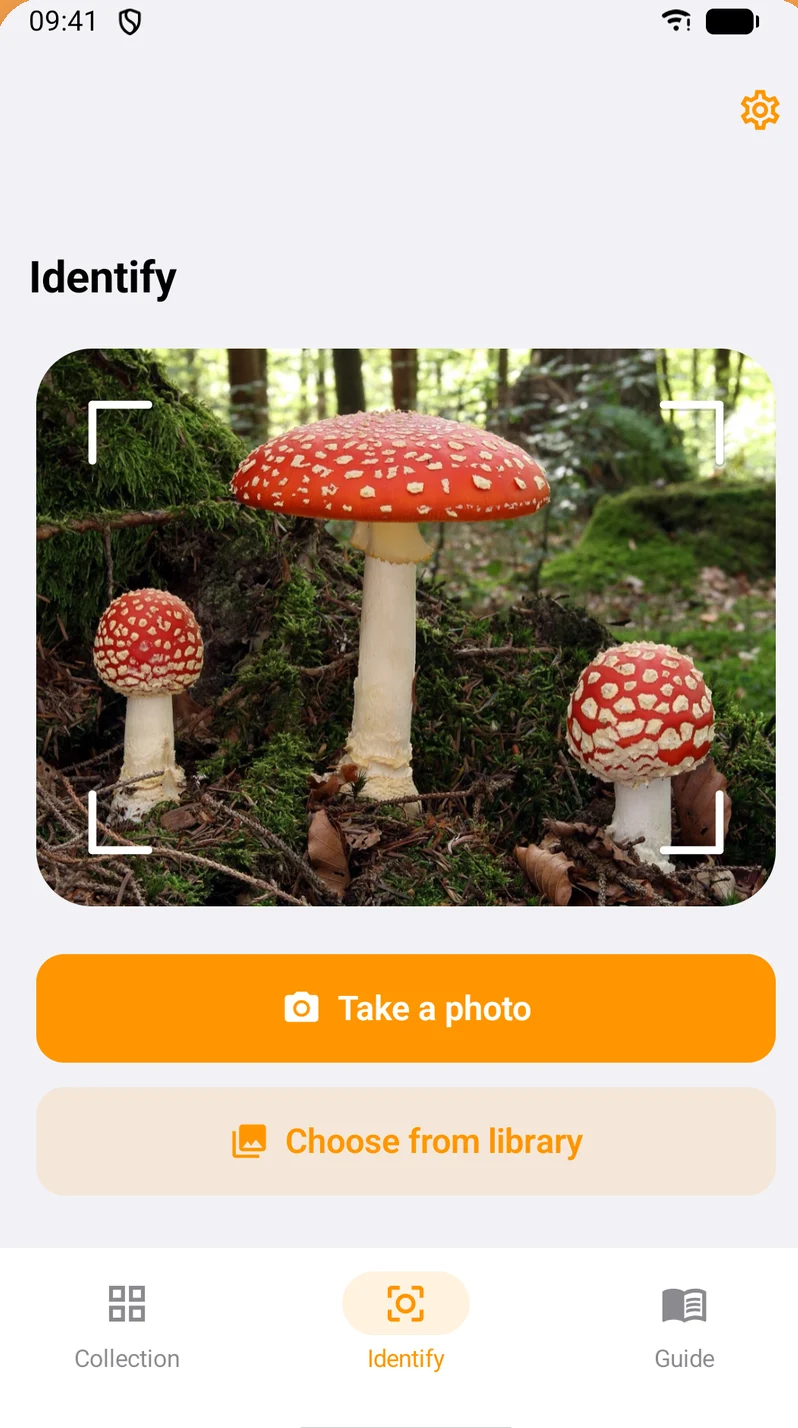
Take a photo in the field or pick one from your gallery. Show the cap, the gills or pores underneath, and the base of the stem.
02
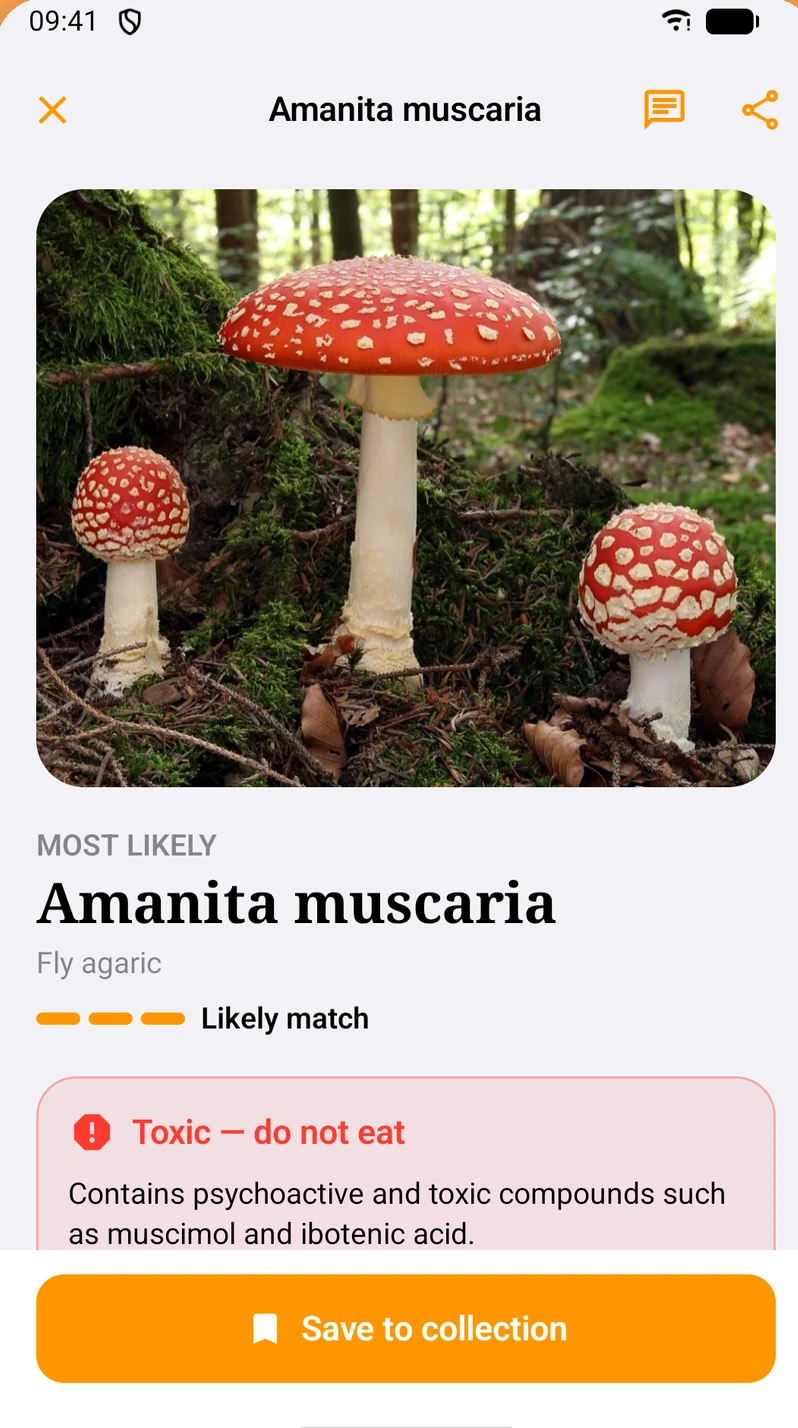
Shroomly shows the most likely match with a confidence level and explains what it was based on: cap, gills, stem, ring, and bruising.
03
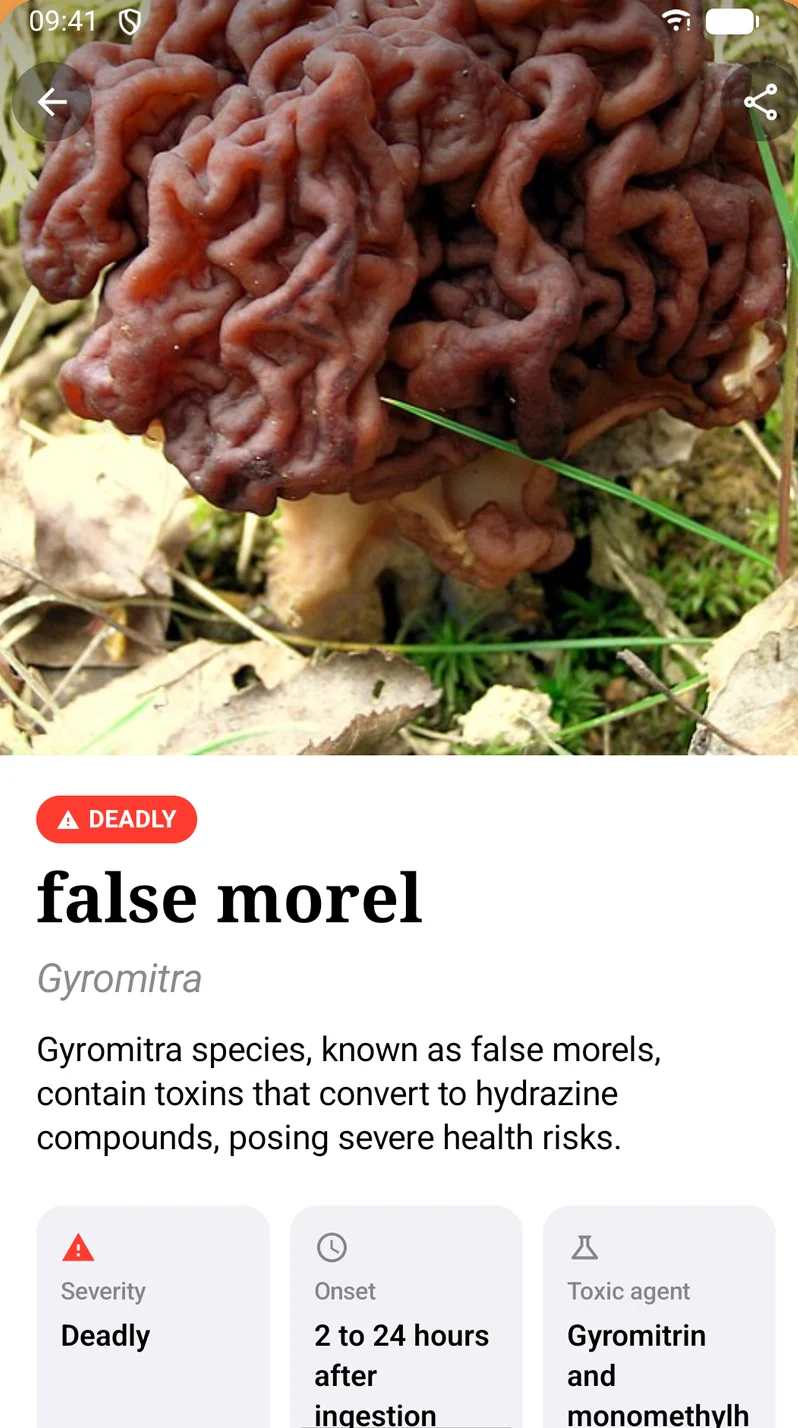
Review toxicity warnings and the species it could be confused with, then confirm anything important with a local expert.
Safety First
Some deadly mushrooms look almost exactly like popular edible ones. Shroomly puts the risk first: toxic and deadly species are flagged at the top of every result, with the look-alikes you need to rule out and the features to check next.
Species
Shroomly identifies mushrooms from around the world. These are some of the ones people ask about most, including the deadly species everyone should know.
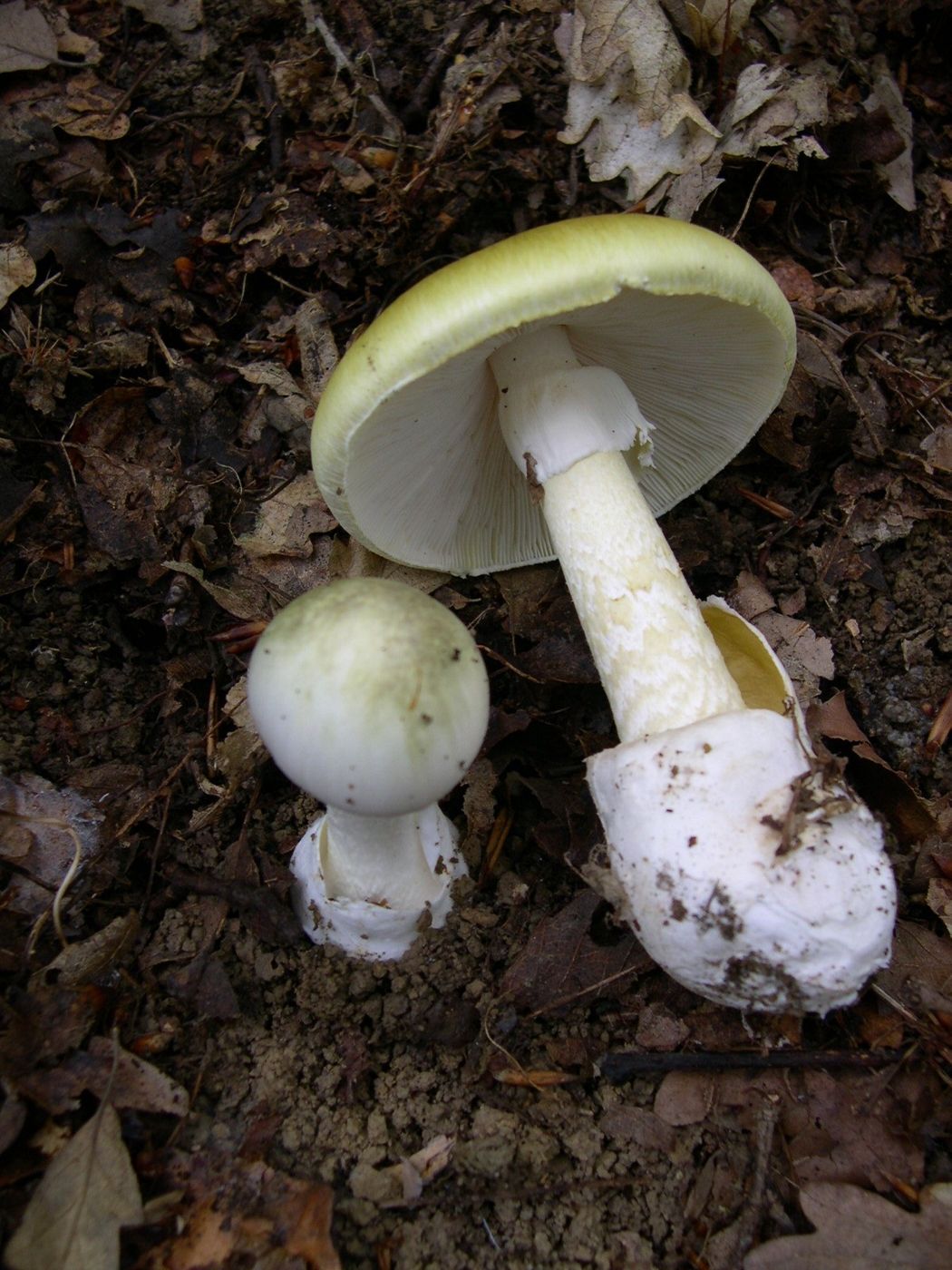
Deadly
Amanita phalloides
Behind most fatal mushroom poisonings worldwide. Look for white gills, a ring, and a cup at the base.
Read the guide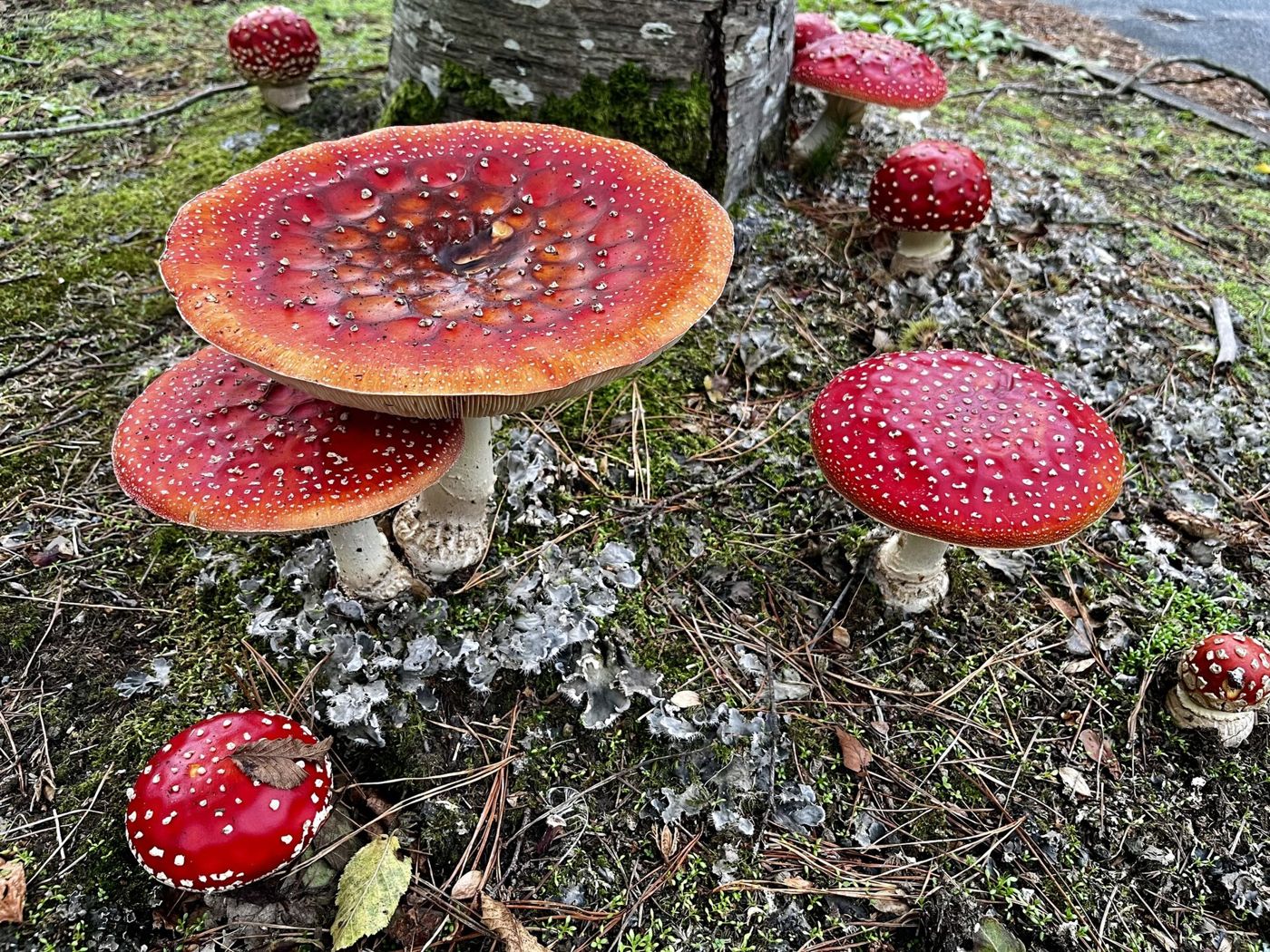
Toxic
Amanita muscaria
The red mushroom with white spots. Poisonous, and a common danger for dogs.
Read the guide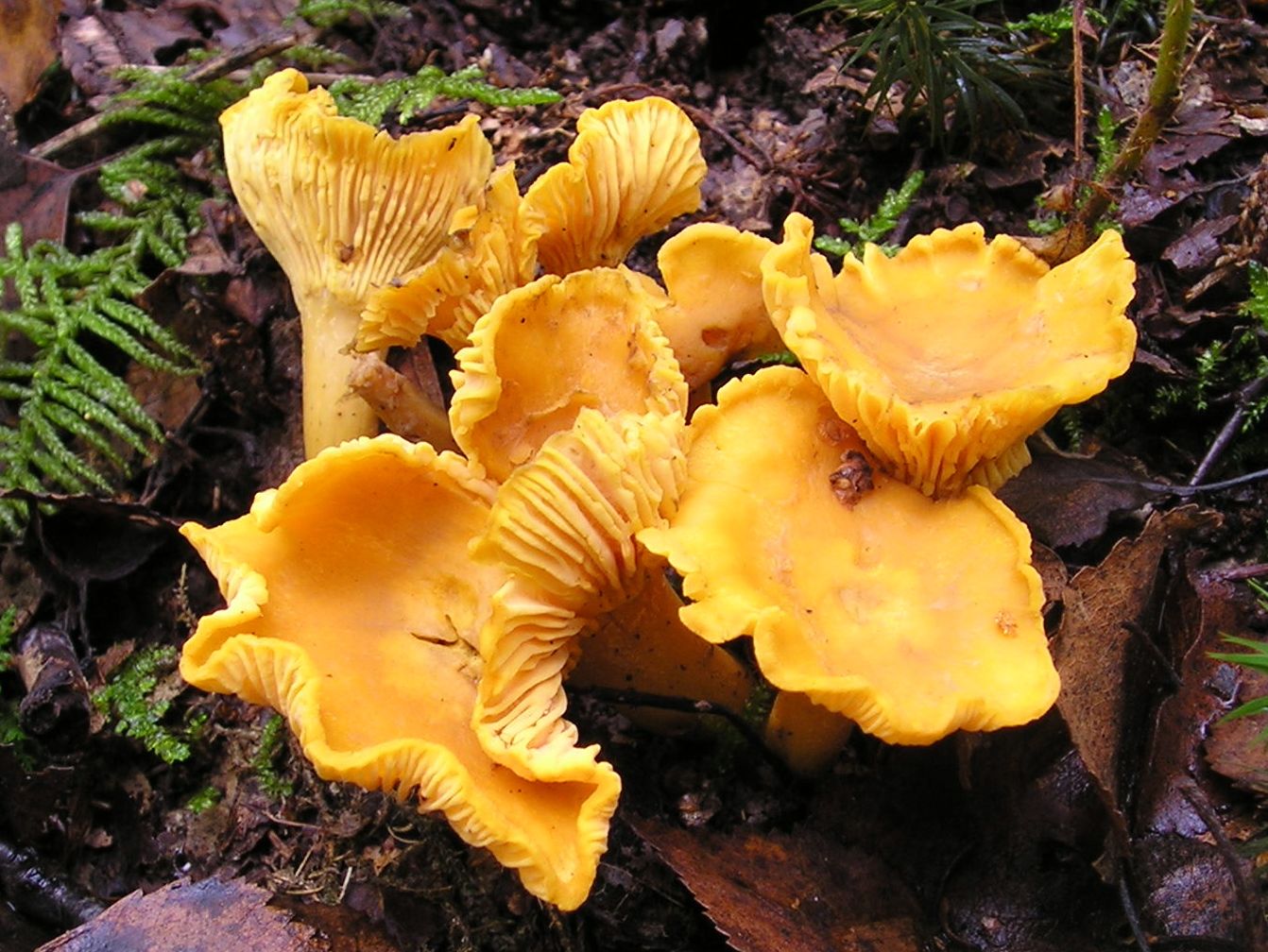
Has toxic look-alikes
Cantharellus cibarius
Prized by foragers and often confused with the toxic jack-o'-lantern.
Read the guide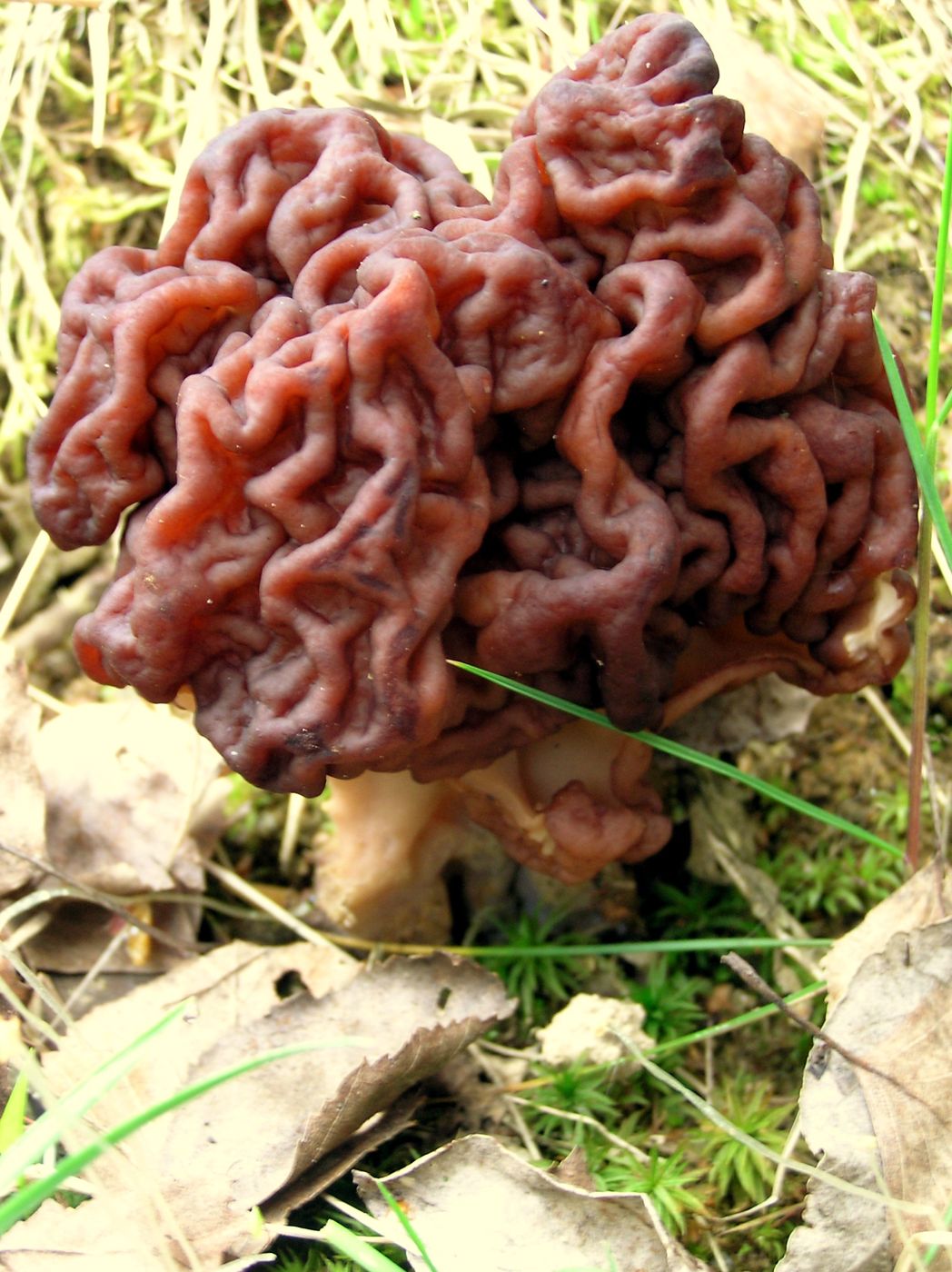
Deadly
Gyromitra esculenta
Brain-like cap and chambered inside. Contains a toxin that can damage the liver.
Read the guide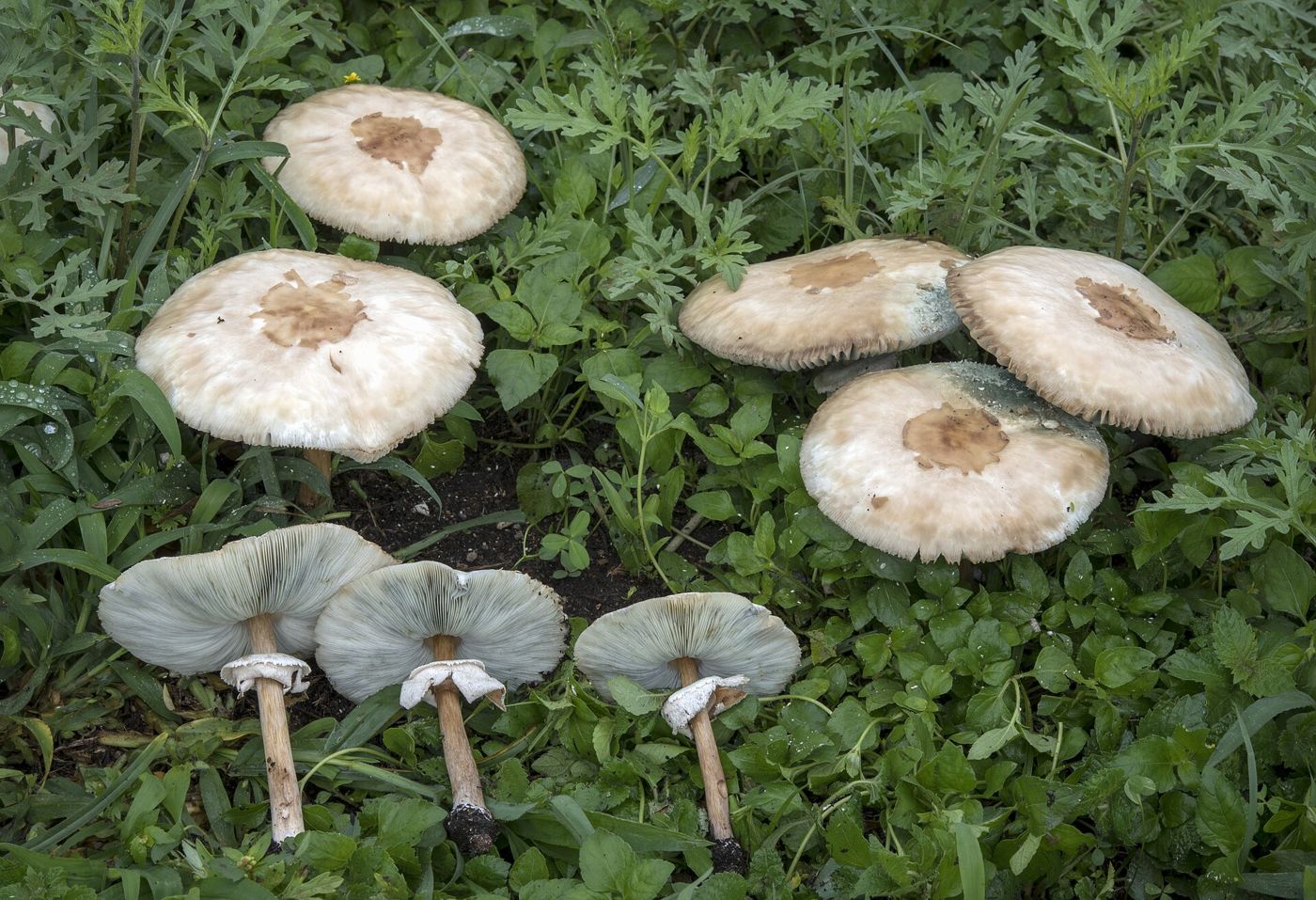
Toxic
Chlorophyllum molybdites
A large lawn mushroom and one of the most common causes of poisoning in North America.
Read the guide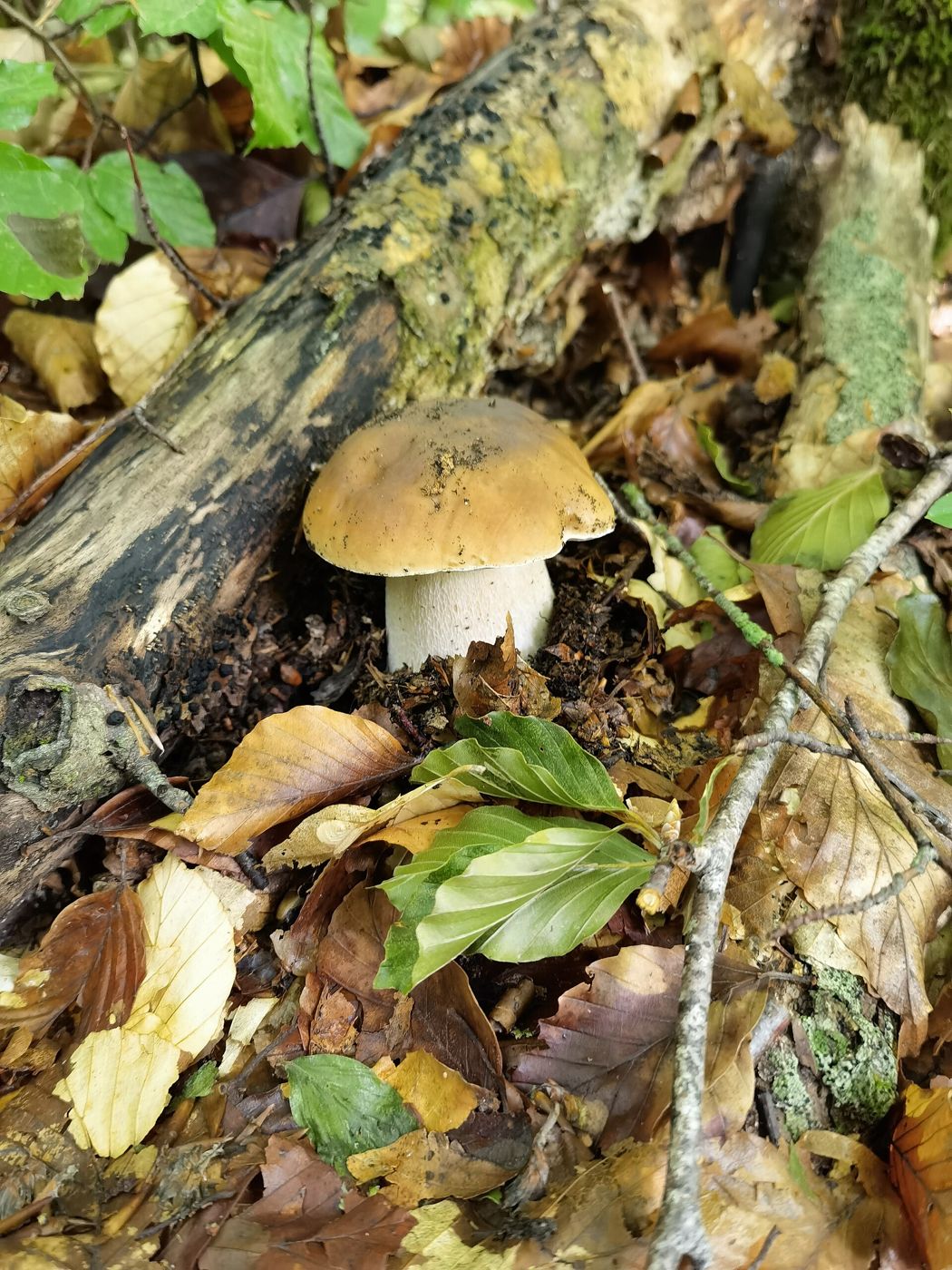
Has toxic look-alikes
Boletus edulis
A classic bolete with pores instead of gills. Some bitter and toxic boletes look similar.
Read the guideMore Than a Scan
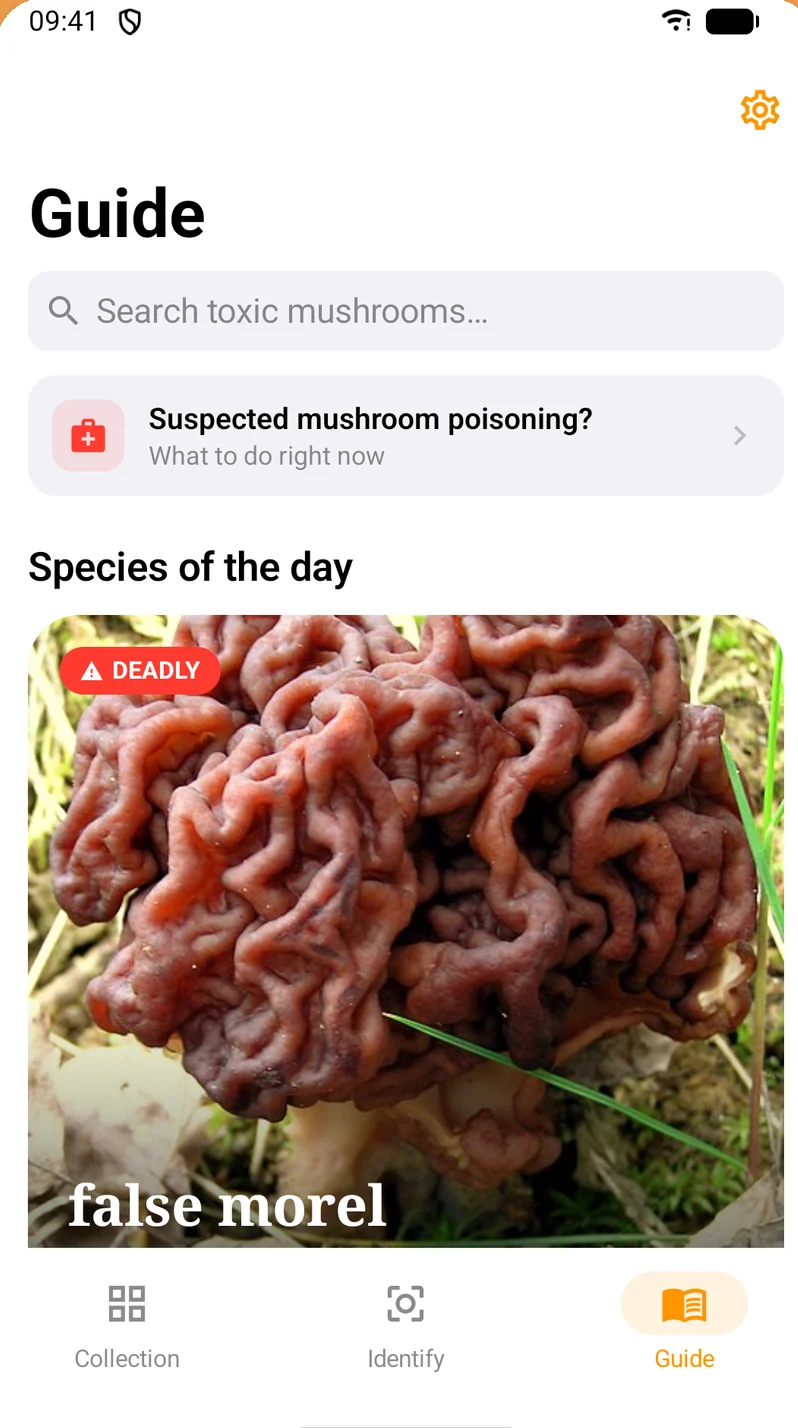
Browse more than 140 poisonous and deadly species with symptoms, onset times, how each toxin works, and what to do if you suspect poisoning.
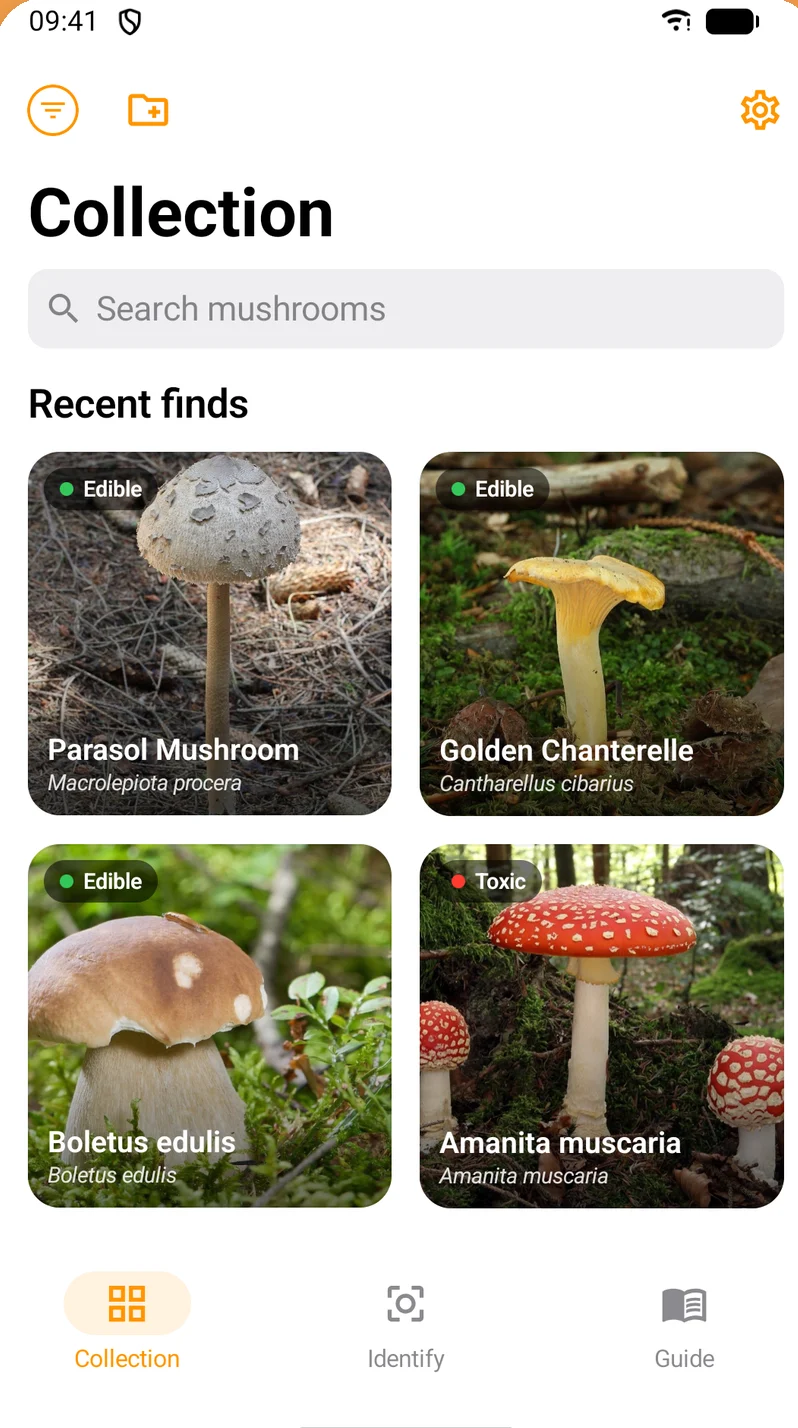
Save every find with its photo and date, organize them into folders, and search or filter your collection later.
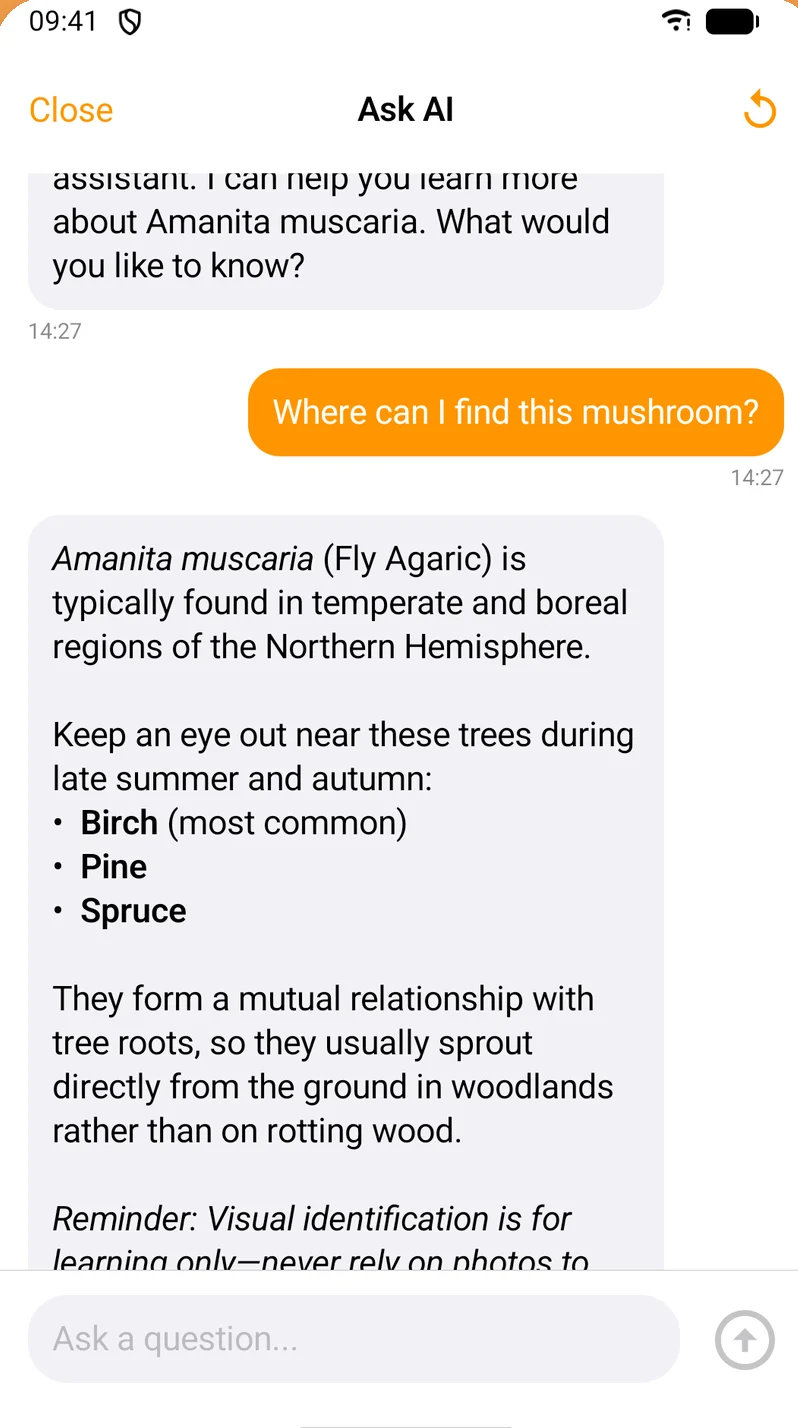
Ask follow-up questions about any identification, like where it grows or what separates it from a look-alike, in plain language.
Download
Free to download on iPhone. Shroomly Pro unlocks unlimited identifications, full look-alike comparisons, the field notebook, and the AI expert.
Shroomly for iPhone: identify mushrooms from any photo.
Shroomly for Android is coming soon.
From the Blog
New articles every day on identification, deadly look-alikes, mushrooms in your lawn, and what to do when a child or pet eats one.
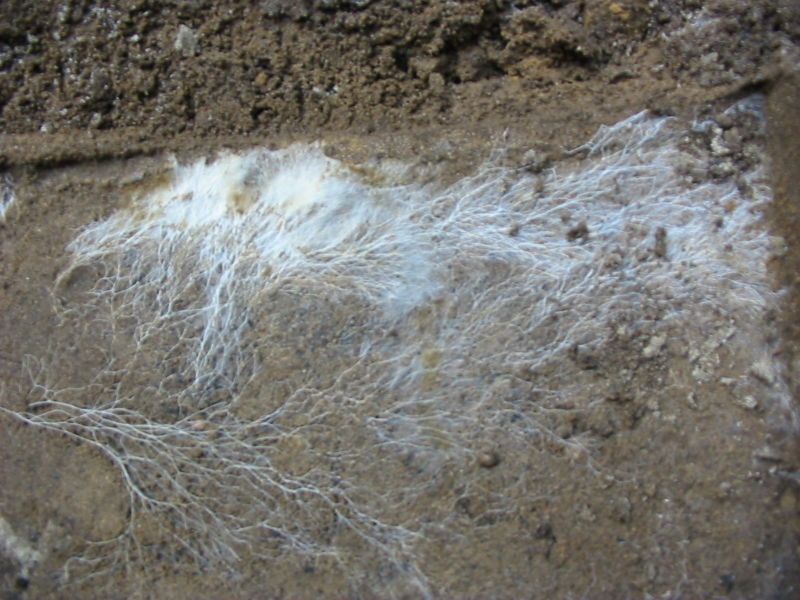
Photo: Lex vB via Wikimedia Commons · CC BY-SA 3.0
Some mushrooms really do glow — a chemical reaction inside their tissues produces light in species across several fungal families. Bioluminescence in fungi likely evolved for ecological reasons such as attracting insects to spread spores or deterring predators, but the exact benefits vary by species and environment.
Photo: Alan Rockefeller via Wikimedia Commons · CC BY-SA 4.0
Yes — the green-spored parasol (Chlorophyllum molybdites) is a common cause of mushroom poisoning in lawns and parks. It typically causes strong gastrointestinal symptoms but is not reliably distinguishable from edible parasol-like mushrooms without careful examination and, often, expert confirmation.
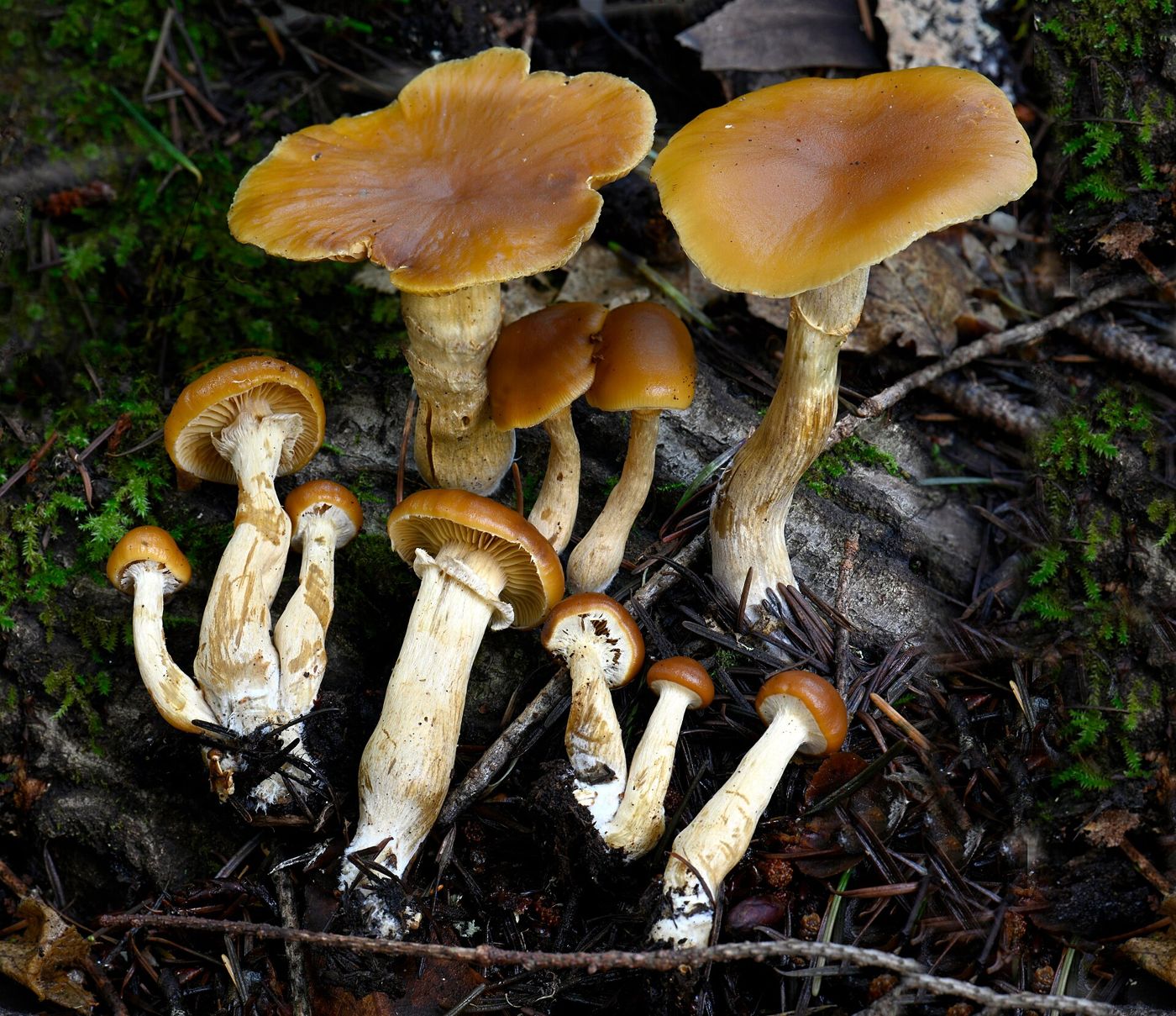
Photo: Alan Rockefeller via Wikimedia Commons · CC BY-SA 4.0
“Little brown mushrooms” (LBMs) are a catchall category for many small, nondescript fungi — some are harmless, some cause stomach upset, and a few are dangerously toxic. Because LBMs are notoriously hard to identify by sight alone, treat unknown small brown mushrooms as potentially hazardous, especially around children and pets; if ingestion is suspected call poison control or emergency services and save a specimen for identification.
FAQ
Yes. Open Shroomly, take a photo or pick one from your gallery, and the app shows the most likely species in seconds with a confidence level, toxicity warnings, and the look-alikes worth ruling out. Clear photos of the cap, the gills or pores underneath, and the base of the stem give the best results.
No app can, and Shroomly does not try to. Some deadly mushrooms look almost identical to popular edible ones, and the features that separate them are not always visible in a photo. Use Shroomly to learn and to stay safe, and never eat a wild mushroom unless a qualified expert has examined the actual specimen.
There is no single trait or folk test that works. Colour, smell, taste, peeling caps, silver spoons, and whether animals eat it are all unreliable. Identification means checking several features together, including the gills, spore print, stem ring, and the sac-like volva at the base of many deadly Amanitas. Shroomly flags toxic species front and center and points out dangerous look-alikes.
Call poison control or your local emergency number immediately, even if there are no symptoms yet. Some of the deadliest mushrooms cause no symptoms for six hours or more. Keep a sample or photos of the mushroom to help with identification. For pets, call your vet or an animal poison line right away.
Shroomly is free to download from the App Store. Shroomly Pro unlocks unlimited identifications, full detailed results with look-alike comparisons, the field notebook with folders, and the AI mushroom expert.
Shroomly is available on iPhone today and an Android version is coming soon to Google Play.
Take several photos: the top of the cap, the underside showing gills or pores, the full stem down to the base (loosen the soil gently so any cup or bulb is visible), and the surroundings, including whether it grows on wood or soil and which trees are nearby.
Shroomly is an educational aid. Wild mushrooms can be deadly and no identification is ever 100% accurate. Never eat, handle, or rely on a wild mushroom based on this app alone; always confirm with a qualified mycologist or local expert.