


It seems logical that a poisonous mushroom should taste bad. Many toxic plants are bitter, and people have long assumed that nature puts a warning label on dangerous food. Search engines are full of versions of the same question: do poisonous mushrooms taste bad, would I notice if a mushroom was toxic, and can I just take a small bite to check? The short and important answer is no. Taste is not a safety test for wild mushrooms, and relying on it has contributed to serious and sometimes fatal poisonings.
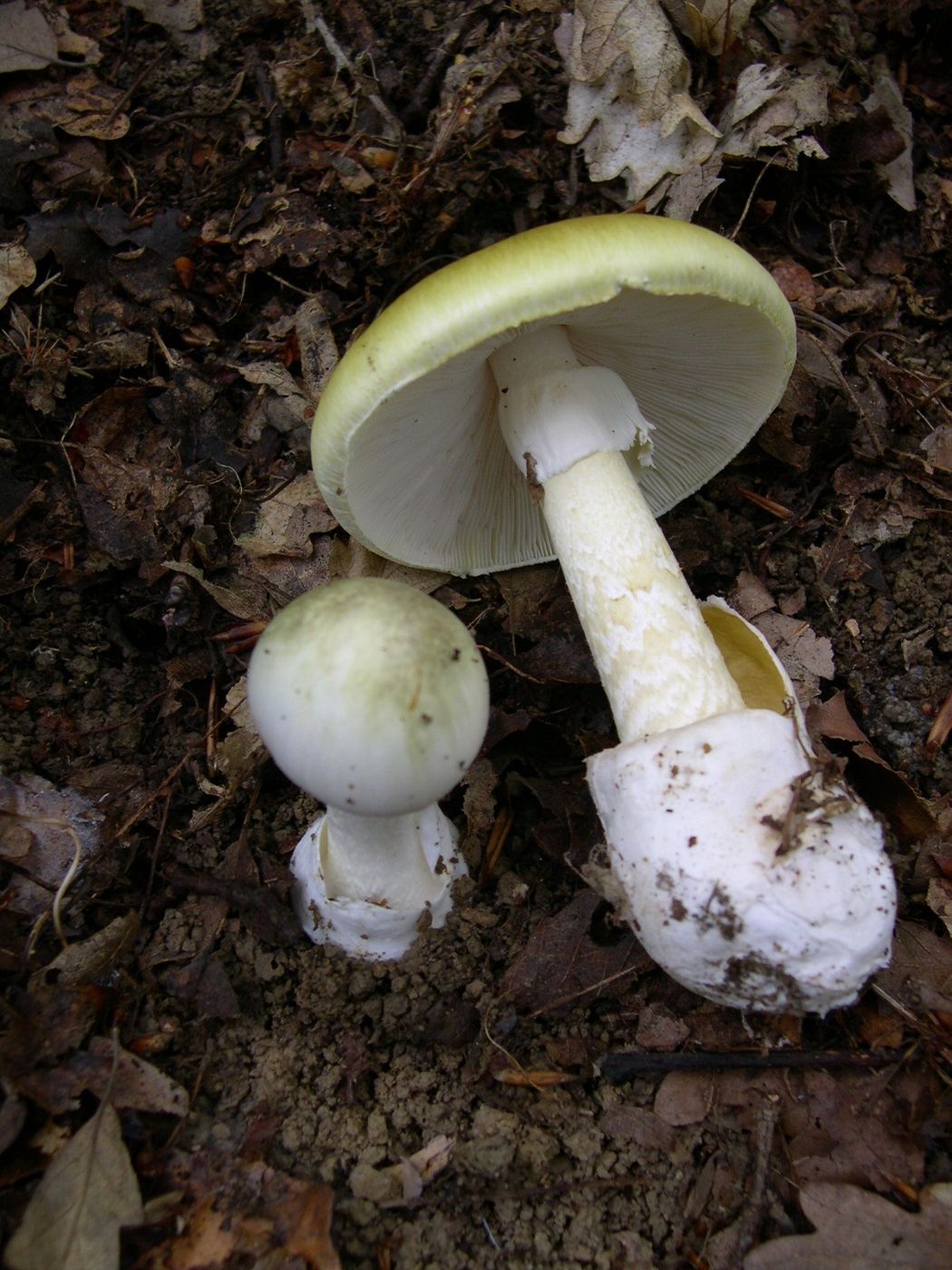
The clearest evidence comes from the most dangerous species of all. The death cap (Amanita phalloides) and the destroying angels, such as Amanita virosa and Amanita ocreata, contain amatoxins, which can cause severe liver damage. Survivors and medical case reports have repeatedly described these mushrooms as tasting perfectly pleasant, mild or even delicious. Nothing about the flavour signals the danger, and because symptoms from amatoxins are typically delayed by several hours, often six or more, there is no immediate bitter taste, burning sensation or nausea to make someone stop eating. By the time illness begins, the toxins have already been absorbed.
The reverse is also true: an unpleasant taste does not mean a mushroom is deadly. The bitter bolete (Tylopilus felleus) is famously bitter yet is not considered seriously toxic, while the sickener (Russula emetica) has a hot, peppery taste and causes gastrointestinal upset rather than organ damage. Some species smell or taste unpleasant simply because of harmless compounds, and others taste of nothing much at all. Flavour is produced by entirely different chemistry from the toxins that cause poisoning, so the two are not linked in any dependable way. A mushroom can be bland and lethal, or foul-tasting and relatively harmless.
You may come across the idea that experienced mycologists sometimes taste mushrooms. In certain groups, such as Russula, specialists occasionally touch a tiny piece to the tongue and spit it out to note a mild or acrid taste, but this is used only as one minor identification clue by people who already know which genus they are looking at and have ruled out deadly groups. It is never a test of edibility, and it is not something beginners should copy. Without expert knowledge, there is no way to be sure you are not holding a deadly Amanita, a toxic Galerina or a Cortinarius species whose kidney-damaging toxins can take days to cause symptoms. Swallowing even a small piece of some species can be dangerous, especially for children and pets.
The taste myth belongs to a wider family of folk tests that simply do not work. Silver spoons do not darken in the presence of mushroom toxins, peeling caps are found on both edible and deadly species, a pleasant smell proves nothing, and seeing slugs, squirrels or other animals eat a mushroom tells you nothing about whether it is safe for people. Cooking does not reliably help either, because amatoxins and several other mushroom toxins are not destroyed by normal heat. Some deadly species look strikingly like popular edible ones, which is why edibility can only be confirmed by an expert who has examined the actual specimen, not by any single trait, rule of thumb, photo or app result. If anyone, adult, child or pet, has tasted or eaten a wild mushroom that has not been identified, call poison control or emergency services immediately, even if they feel fine, and keep a sample of the mushroom or a photo of it to help professionals assess the risk.
The safest approach is to let your eyes and expert help do the work, never your tongue. If you find a mushroom you want to know more about, photograph it carefully: the top of the cap, the gills or pores underneath, and the full stem, including the very base, which you may need to gently dig out to reveal any sac-like volva. Shroomly can use those photos to suggest likely species and flag dangerous look-alikes, giving you a useful starting point for learning. Treat that result as a guide rather than a verdict, and confirm any identification with a local mycological society or an experienced expert who can examine the specimen in person. Curiosity about fungi is a wonderful thing, as long as it never involves a taste test.