


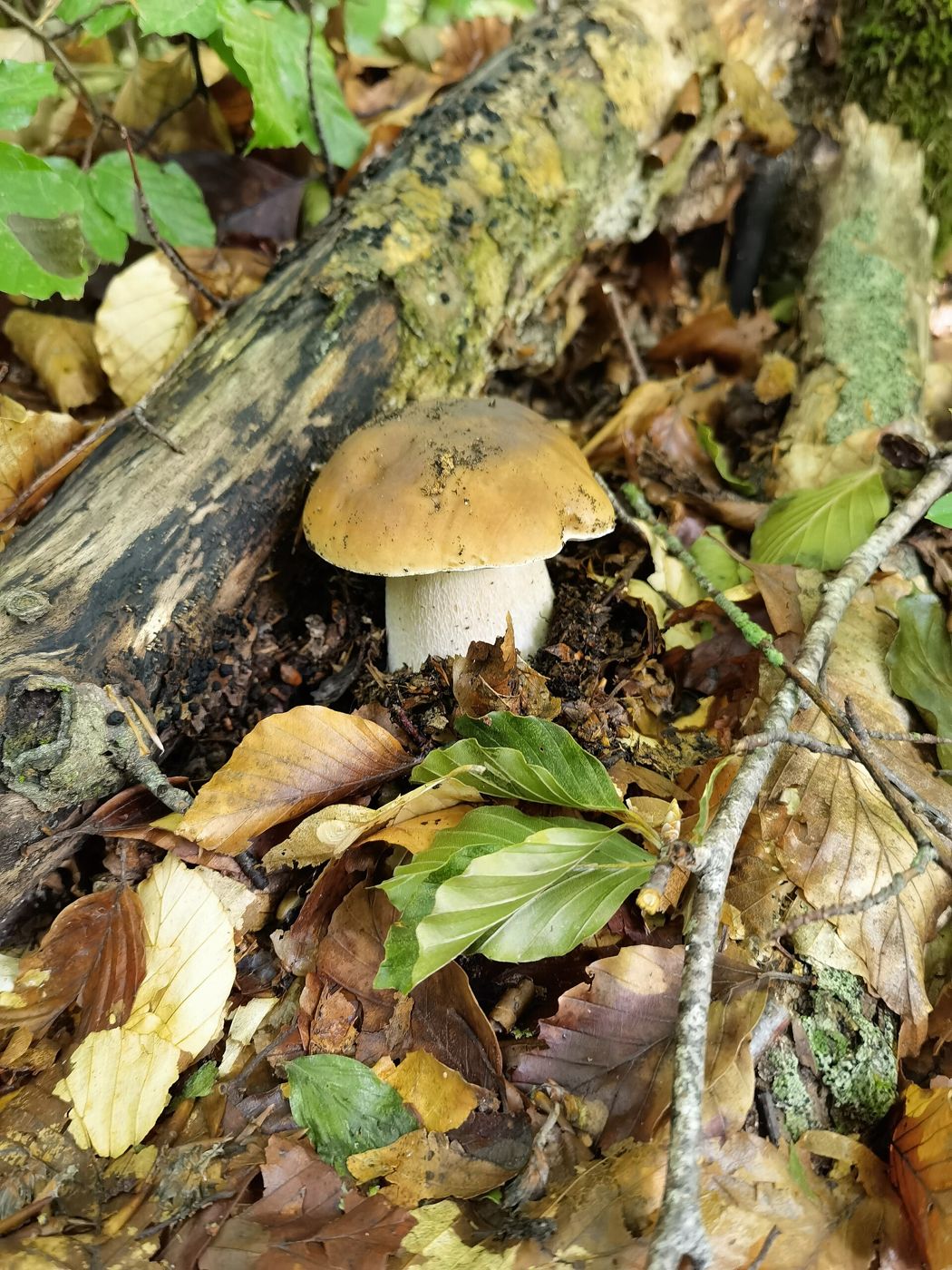
If you have ever found a mushroom with chunks missing from its cap, slimy trails across its surface or tiny tunnels running through its stem, you have seen evidence of mycophagy, the scientific term for eating fungi. Mushrooms are soft, moist and rich in protein, sugars and minerals compared with much of the leaf litter around them, so it is no surprise that a whole community of animals seeks them out. Some feed on fungi only occasionally, while others depend on them for most of their diet. Understanding who eats mushrooms reveals a lot about how fungi fit into their ecosystems, and it also helps dismantle one of the most dangerous myths in foraging.
The most familiar mushroom eaters are slugs and snails. Using a rasping, tongue-like structure called a radula, they scrape shallow, irregular hollows into caps and stems, often overnight, leaving behind a telltale silvery trail. Insects are even more widespread consumers. Fungus gnats in the family Mycetophilidae and related flies lay eggs on or in young mushrooms, and their larvae tunnel through the flesh, which is why a mushroom that looks perfect from the outside can be riddled with holes when sliced. Many beetles, including rove beetles and pleasing fungus beetles, feed on fruiting bodies or bracket fungi, while springtails, mites and nematodes graze on the gills, spores and mycelium. A large bracket fungus or decaying bolete can host a small ecosystem of its own.
Mammals are important mushroom eaters too. Squirrels are well known for it, and red squirrels in Europe and North America have been observed placing mushrooms in tree branches to dry before storing them for winter. Deer, elk, wild boar, mice, voles and chipmunks all eat fungi when they are available. Some of the most fungus-dependent mammals feed on truffles and other underground fruiting bodies: the northern flying squirrel of North American conifer forests and Australian potoroos and bettongs rely heavily on these hidden fungi, digging them up by following their strong scent.
This relationship is often a partnership rather than simple predation. Truffle-like fungi cannot release spores into the wind because they fruit underground, so they produce powerful aromas that attract animals. When an animal eats the fruiting body, many spores survive passage through its gut and are deposited elsewhere in droppings, sometimes far from the parent fungus. Because many of these fungi form mycorrhizal partnerships with tree roots, the animals that disperse them indirectly support forest health. Even above-ground mushrooms can have spores carried away on the bodies of insects and slugs or spread in animal droppings.
Fungi are not defenseless, though. Many species produce bitter, acrid or toxic compounds that deter at least some feeders. The milky latex of Lactarius species, for example, is thought to discourage grazing animals, and some mushrooms are avoided by certain insects while being eaten freely by others. What deters one animal may be harmless to another, because different species have very different digestive systems and metabolic tolerances. This is exactly why the behavior of animals is useless as a guide for people. Slugs, insects and some rodents are reported to feed on deadly species such as the death cap (Amanita phalloides) without obvious harm, yet the amatoxins in that mushroom can destroy the human liver. A nibbled mushroom is not a safe mushroom, and an untouched one is not necessarily poisonous either.
The same goes for every other folk test you might hear: silver spoons that supposedly blacken, caps that peel easily, a pleasant smell or a mild taste prove nothing about edibility. Only an expert who has examined the actual specimen can confirm whether a mushroom is edible, and several deadly species closely resemble popular edible ones. If anyone, human or pet, may have eaten a wild mushroom, call poison control or emergency services immediately and keep a sample of the mushroom to help with identification, rather than waiting to see whether symptoms develop.
If you are simply curious about the mushrooms the local wildlife has been sampling, a good photograph is the best place to start. Capture the top of the cap, the gills or pores underneath, and the full stem including its base, digging gently around it so any sac or bulb is visible. Shroomly can then suggest likely species and flag toxic look-alikes, helping you learn what is growing in your garden or woodland. Treat that result as a starting point for learning, not a verdict on edibility, and confirm any identification with a local mycological society or an experienced expert who can examine the specimen in person.