


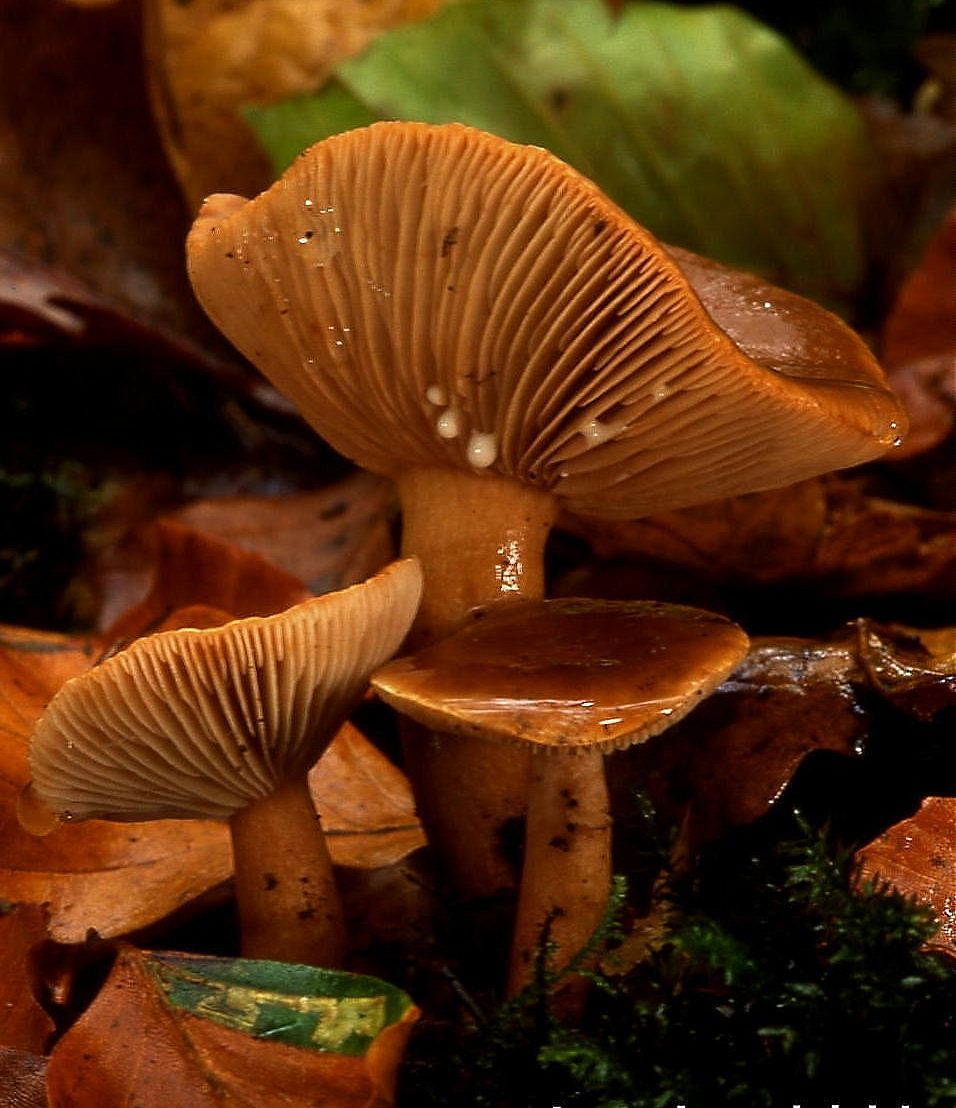
It is one of the most common questions people type after snapping a picture of a mushroom in the garden or woods: can I trust what the app says? The honest answer is that photo-based mushroom identification apps are good at some things and fundamentally limited at others. Many common, distinctive species such as fly agaric (Amanita muscaria), turkey tail (Trametes versicolor) or chicken of the woods (Laetiporus sulphureus) are recognised reliably from a clear picture. But fungi are a notoriously difficult group, and even the best image recognition cannot see everything a trained mycologist checks. Independent evaluations of identification apps have repeatedly found that they can return wrong answers, including for dangerous species, which is why no app result should ever be treated as a final verdict on safety.
The first problem is that mushrooms change dramatically as they grow. A young button, a fully expanded cap and an old, rain-soaked specimen of the same species can look like three different organisms, while two unrelated species can look almost identical at a particular stage. Colour shifts with moisture, light and age, and phone cameras often distort subtle tones such as the greenish cast of a death cap (Amanita phalloides) or the pinkish flush of developing gills. An app is comparing your picture with the photos it has learned from, so an unusual angle, poor lighting or an atypical specimen can push it towards the wrong match.
The second problem is that many decisive features simply do not appear in a typical photograph. Spore print colour, which separates whole groups of mushrooms, can only be seen by making a print. Smell, the texture of the flesh, whether the stem snaps or bends, whether the cut flesh stains or exudes latex, and the presence of a sac-like volva hidden in the soil are all things a camera usually misses. Beyond that, a large number of species, especially small brown mushrooms, webcaps (Cortinarius), fibrecaps (Inocybe) and many boletes, can only be told apart reliably with a microscope, chemical tests or DNA sequencing. No photograph, however sharp, can substitute for those checks.
Coverage is another hidden limitation. Fungal diversity is enormous and still poorly documented, and many species are underrepresented in the image collections apps learn from, particularly regional species in Australia, western North America or less-studied habitats. When an app has never seen enough examples of your mushroom, it will still offer its best guess, and that guess may be a familiar species from another continent. This is why it matters to pay attention to where a mushroom grew, what it was growing on and what trees were nearby, information that experts use constantly but that an image alone rarely conveys.
None of this means apps are useless. Used properly, they are excellent learning tools: they can suggest which genus you are looking at, point you towards features worth checking, and, crucially, remind you which toxic look-alikes share the same appearance. They also help you keep a record of what you have found and where. You will get far better results if you photograph the cap from above, the gills or pores underneath, the full stem in profile, and the very base after carefully digging it out of the soil, ideally with something in the frame for scale and a shot of the surrounding habitat. A cut cross-section and a spore print photo add even more useful information.
What an app must never do is decide whether a mushroom is edible. Some of the deadliest species, including the death cap and destroying angels (Amanita virosa, Amanita ocreata), closely resemble popular edible mushrooms, and the funeral bell (Galerina marginata) can be confused with edible wood-growing species. Folk tests are no better: silver spoons, peeling caps, pleasant smells, mild taste or seeing animals eat a mushroom tell you nothing reliable about toxicity. Only an experienced expert who has examined the actual specimen in person can confirm an identification for eating, and even then caution is essential. If anyone may have eaten a wild mushroom, call poison control or emergency services immediately and keep a sample of the mushroom for identification; do not wait for symptoms to appear.
The best way to think of an identification app is as a knowledgeable first opinion rather than a final answer. With Shroomly, photograph the cap, the gills and the stem base, add a view of where the mushroom was growing, and let the app suggest likely species along with the toxic look-alikes you need to rule out. Then take those suggestions, and ideally the specimen itself, to a local mycological society, foraging group or other qualified expert who can confirm what you have found. That combination of fast digital help and real-world expertise is the safest and most rewarding way to learn about the fungi around you.