


It happens more often than people admit. A mushroom picked on a walk turned up in a meal, a guest added something from the garden to a salad, or someone tasted a cap out of curiosity and is now wondering whether that was a mistake. The most common reaction is to wait and see. If you feel fine, surely the mushroom was harmless? Unfortunately, feeling fine tells you almost nothing in the first hours after eating a wild mushroom, and waiting is the single most dangerous thing you can do. If you or anyone else has eaten a wild mushroom that has not been identified by an expert who examined the actual specimen, call poison control or emergency services now.
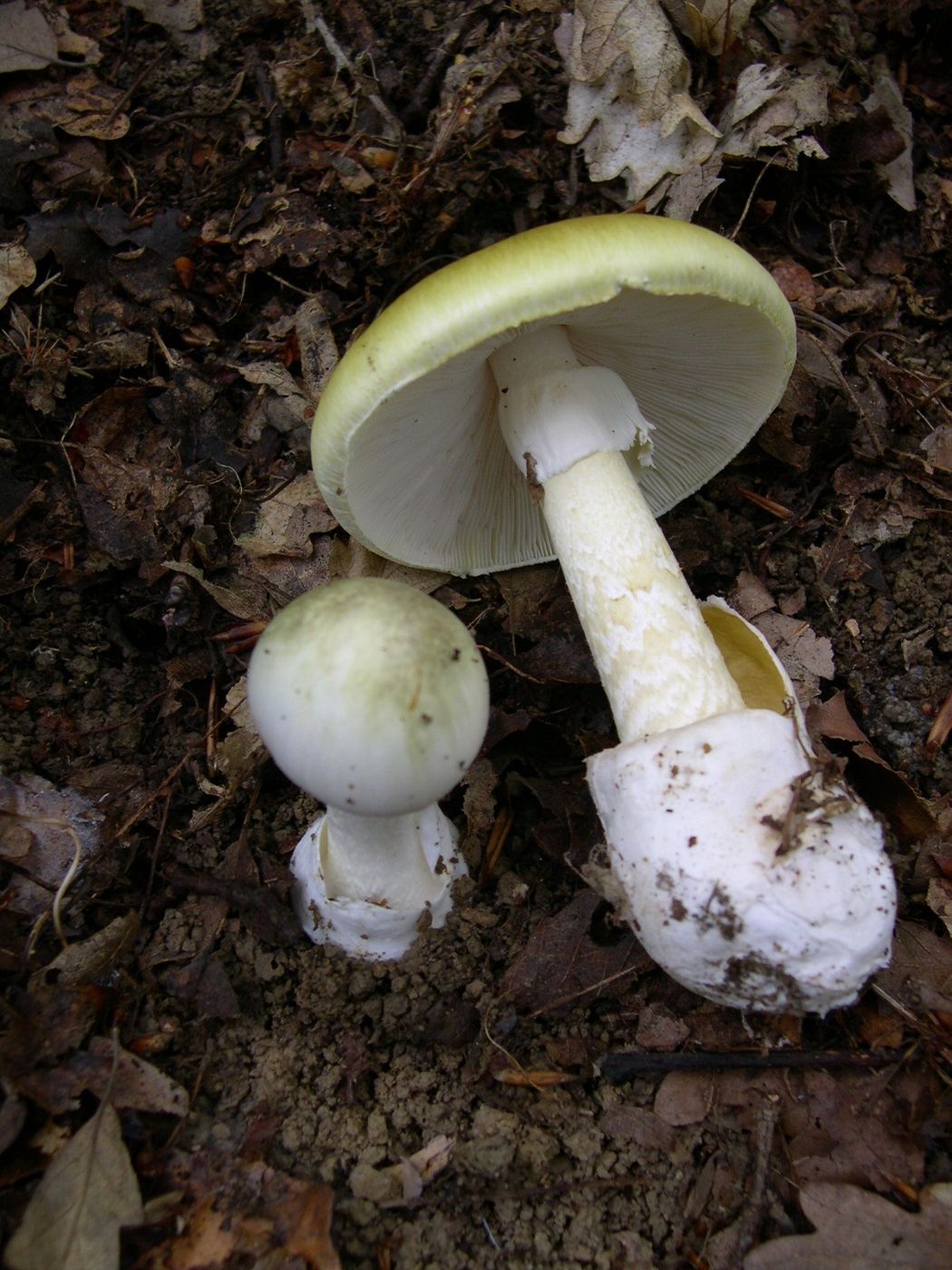
The reason waiting is so risky is that the mushrooms responsible for most deaths are the slow ones. Species containing amatoxins, such as the death cap (Amanita phalloides), the destroying angels (Amanita virosa, Amanita ocreata and relatives) and the funeral bell (Galerina marginata), typically cause no symptoms at all for roughly six to twenty-four hours. When illness does arrive it often looks like severe food poisoning, with vomiting and diarrhea, and it can then appear to improve before liver and kidney damage becomes apparent. Webcaps such as Cortinarius rubellus contain orellanine, which can take days or even weeks to produce symptoms while silently damaging the kidneys. In contrast, mushrooms that make you sick quickly are, as a rough pattern, more often the less dangerous ones. So the absence of symptoms right now is not reassurance; it is exactly what a serious poisoning can look like at the start.
Many people also try to reassure themselves with what they remember about the mushroom. It tasted good, so it must be fine. It was white and looked like a supermarket mushroom. An animal had nibbled it. It peeled easily, or it did not blacken a silver spoon, or it smelled pleasant. None of these folk tests mean anything. Death cap eaters have described the taste as pleasant, white mushrooms include some of the most lethal species in the world, animals such as slugs and squirrels eat mushrooms that are deadly to people, and peeling, smell and silver tests have no connection to toxicity. Cooking does not help either, because amatoxins and many other mushroom toxins are not destroyed by heat. Some deadly species closely resemble popular edible ones, which is why even experienced foragers have been poisoned.
What you should do is simple and should happen straight away. In the United States, call Poison Control on 1-800-222-1222. In Canada, contact your provincial poison centre. In the United Kingdom, call NHS 111, or 999 if anyone is unwell. In Australia, call the Poisons Information Centre on 13 11 26, or 000 in an emergency. If someone is vomiting severely, very drowsy, confused, having trouble breathing or unresponsive, call emergency services first. Do not try home remedies, do not attempt to make yourself sick, and do not wait to see whether symptoms develop. Poison specialists would far rather hear from you about a harmless mushroom than too late about a deadly one.
The second priority is the sample. Keep any leftover mushrooms, uncooked pieces, trimmings or even scraps from the plate or the bin. Wrap them in paper or put them in a paper bag or container rather than sealing them in plastic, label them, and keep them cool, for example in the refrigerator, away from other food. If there are more of the same mushrooms where they were picked, note the location and, if it is safe and quick to do so, collect a whole one including the very base of the stem, which can be buried in soil. Take photographs if you can. Also note roughly when the mushroom was eaten, how much, whether it was raw or cooked, and who else ate it, because everyone who shared the meal needs to be assessed, even if they feel well.
Taking the sample and any photos with you to the hospital matters because identification can change treatment. Doctors and poison centres often work with mycologists who can examine the specimen, and knowing whether the mushroom is an amatoxin species, a webcap, a gastrointestinal irritant or something harmless helps them decide how closely to monitor you. A photo-based tool can also help in this situation: snapping the cap, the gills and the stem base and running them through Shroomly can suggest likely species and highlight dangerous look-alikes to mention to the medical team. But an app result is never a reason to stay home or to decide a mushroom was safe. Call for help first, bring the sample, and let professionals and a local mycological society or expert who can examine the real specimen confirm what was eaten. For the future, the safest rule is never to eat any wild mushroom unless an expert has examined that specimen in person and confirmed it.