
Finding out a child has put a wild mushroom in their mouth is terrifying, and the right first responses can make a big difference. Immediately remove any remaining mushroom from the child’s mouth and place it in a breathable container (paper bag or clean jar) or wrap it in paper — do not seal in plastic if the specimen is still wet, and don’t flush or discard it. Call your local poison control center (in the U.S. dial 1-800-222-1222) or emergency services right away; they will ask about the child’s age, weight, time of ingestion, and symptoms, and whether you have preserved a sample for identification.
Do not try to self-identify the mushroom on the spot, and don’t rely on folk tests. Old myths — that mushrooms are safe if animals eat them, that poisonous mushrooms can be identified by silver spoon reactions, that peeling the cap or cooking changes toxicity, or that a bad smell means danger — are unreliable and can be deadly. Many lethal species, including some Amanita and Cortinarius species, resemble harmless mushrooms when small or when partially eaten, and some life-threatening toxins act hours after ingestion, which is why waiting for symptoms is dangerous.
If the child is vomiting, having difficulty breathing, having seizures, or losing consciousness, call emergency services immediately. Tell dispatch that you suspect mushroom ingestion. Keep the child calm, seated or lying down in a safe position, and do not give anything by mouth unless directed by poison control or an emergency clinician. Follow the instructions from medical professionals; they may advise bringing the child and the mushroom sample to an emergency department where clinicians can consult mycologists, toxicologists, and lab tests if needed.
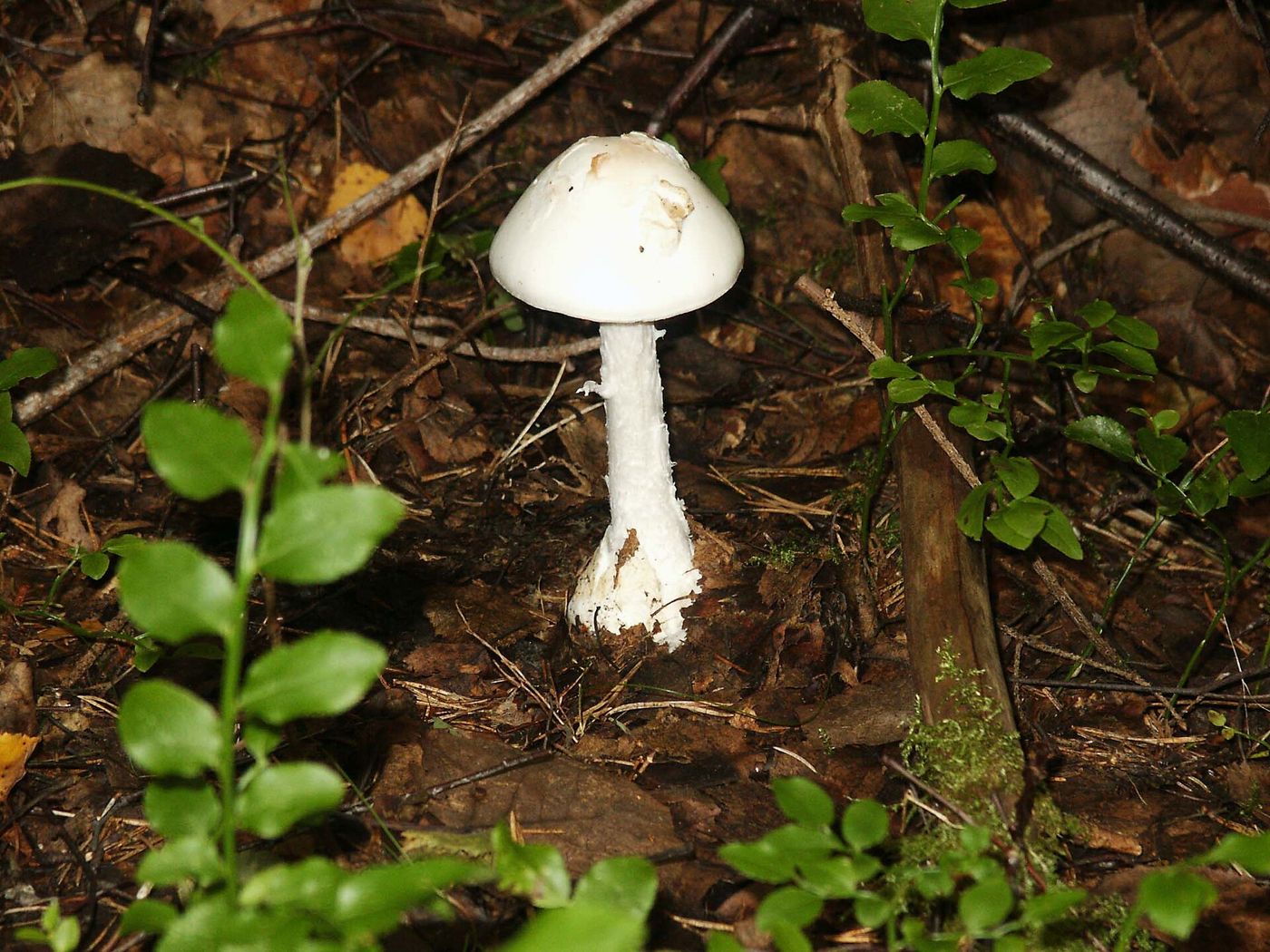
Preserving the mushroom properly helps clinicians and local mycological experts identify the species and assess risk. Collect any remaining pieces — whole caps, stems, fragments, and any mushroom bits from vomit — and store them in a paper bag or wrapped in paper in a cool place. Take clear photos if you can: one showing the whole mushroom in context, and close-ups of the cap, gills or pores, stem (including base), and any color changes when cut. These materials are essential because some toxins cannot be diagnosed from symptoms alone until late in the course of poisoning.
After the immediate emergency has been addressed, follow up with your healthcare provider and, if available, a regional mycological society or hospital toxicologist for formal identification. Remember that only an expert who has examined the actual specimen can confirm species and toxicity; an app or a photo alone cannot reliably determine edibility or rule out deadly look-alikes. Keep children informed in age-appropriate ways about not touching or eating wild plants and fungi, and consider supervising outdoor play in areas where toxic mushrooms are known to grow.
Prevention matters: teach children to 'look but don’t touch or taste' and store mushroom forays or foraged finds out of reach. If you have pets, garden hygiene and quick removal of mushrooms reduce the chance of both child and pet exposures. If you ever need to identify a specimen after an incident, photograph the cap, gills or pores, stem and stem base, and any bruising or color changes, then let Shroomly suggest likely species and toxic look-alikes — but always confirm identifications with a local mycological society or clinical toxicologist before assuming anything about safety.