

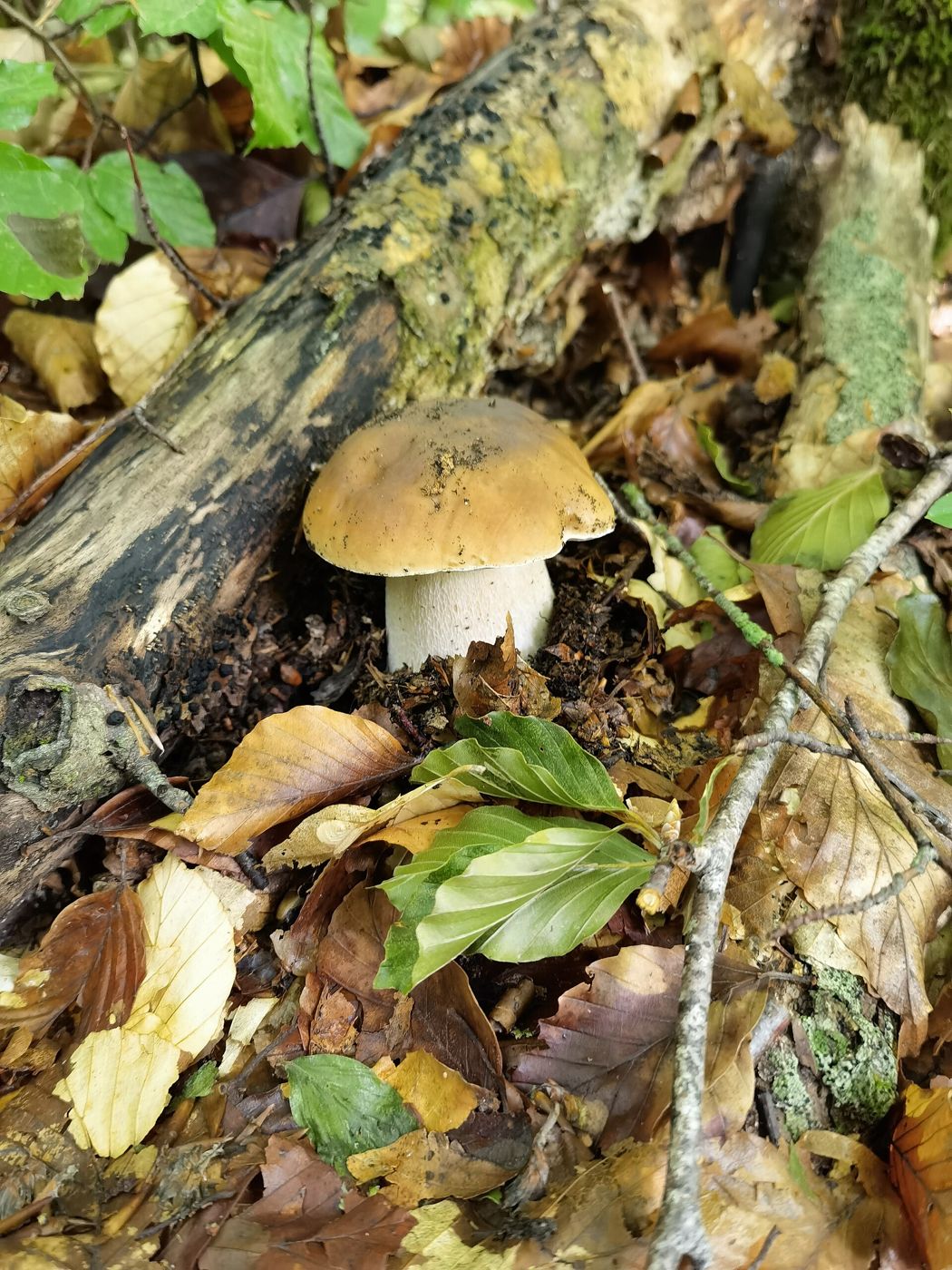
Boletes are a broad group of mushrooms with a sponge‑like layer of pores under the cap instead of gills; that pore layer is the first place to look when trying to tell species apart. Many widely eaten mushrooms called porcini or ceps belong to the genus Boletus and related genera, but other boletes can cause gastrointestinal illness or worse. Identification relies on several visible features taken together — not a single rule or home test — and careful comparison with reliable descriptions or an expert’s opinion is essential before considering eating anything wild.
Start with the pore surface: check its color in fresh specimens and note how it changes with age. Some boletes have pale or yellow pores, others olive‑brown, red, or even blue‑green. A common caution is that bright red or orange pores are often associated with bitter or toxic species, while olive‑brown pores are typical of many edible boletes, but this is not absolute. Document the pore color from multiple vantage points because lighting and age can alter appearance, and record whether pores are large and angular or very small and round.
Brushing or pressing the pore surface to test for color change (bruising) can be informative for identification, but avoid tasting or ingesting any mushroom. Some boletes bruise blue when handled — a reaction caused by chemical oxidation — and while blue staining is a useful field character, it doesn’t reliably indicate toxicity. Some blue‑staining boletes are prized edibles; others cause severe stomach upset. Note the speed and intensity of any color change and whether bruising affects the flesh beneath the cap as well as the pores and stem.
Look closely at the stem (stipe): its shape, surface texture, and any reticulation (a netlike pattern of ridges) are often diagnostic. Many porcini (Boletus edulis) have a robust, clubbed stem with clear reticulation near the top and a uniformly colored cap, while some toxic boletes have slender stems, striking color contrasts, or smooth rather than netted stems. Also record the flesh color when you cut the mushroom: does it stay white, turn pinkish, or bruise blue? Keep in mind that color shifts can happen over time and depend on how long the specimen has been exposed to air.
Habitat and tree association are important because many boletes form specific partnerships with trees (mycorrhizae). Noting whether the mushroom grew under pine, oak, spruce, or birch can rule in or out likely species. Seasonal timing and geographic region also matter: the same bolete species may appear under different trees in different parts of the world, and lookalikes vary by location. Combining habitat notes with macroscopic features narrows identifications significantly.
Avoid relying on folk tests (silver spoon discoloration, peeling the cap, insects or animals eating a specimen, or smell) — none of these reliably indicate edibility. Never taste or swallow a piece to test bitterness; that can be dangerous because some toxic species cause severe symptoms from very small amounts. If you suspect poisoning, call poison control or emergency services immediately and keep a sample of the mushroom for identification. Only a qualified expert who has examined the whole specimen can confirm whether a bolete is safe to eat, because some dangerous species closely mimic edible ones.
For identification help, photograph the cap, the pore surface (close‑up), a clean cross‑section showing flesh color, and the stem base including any soil attached; note surrounding trees and the substrate (soil, wood, needle litter). Upload these images to Shroomly to get likely species and toxic look‑alikes suggested, and then confirm with a local mycological society or expert before making any edible decisions.