

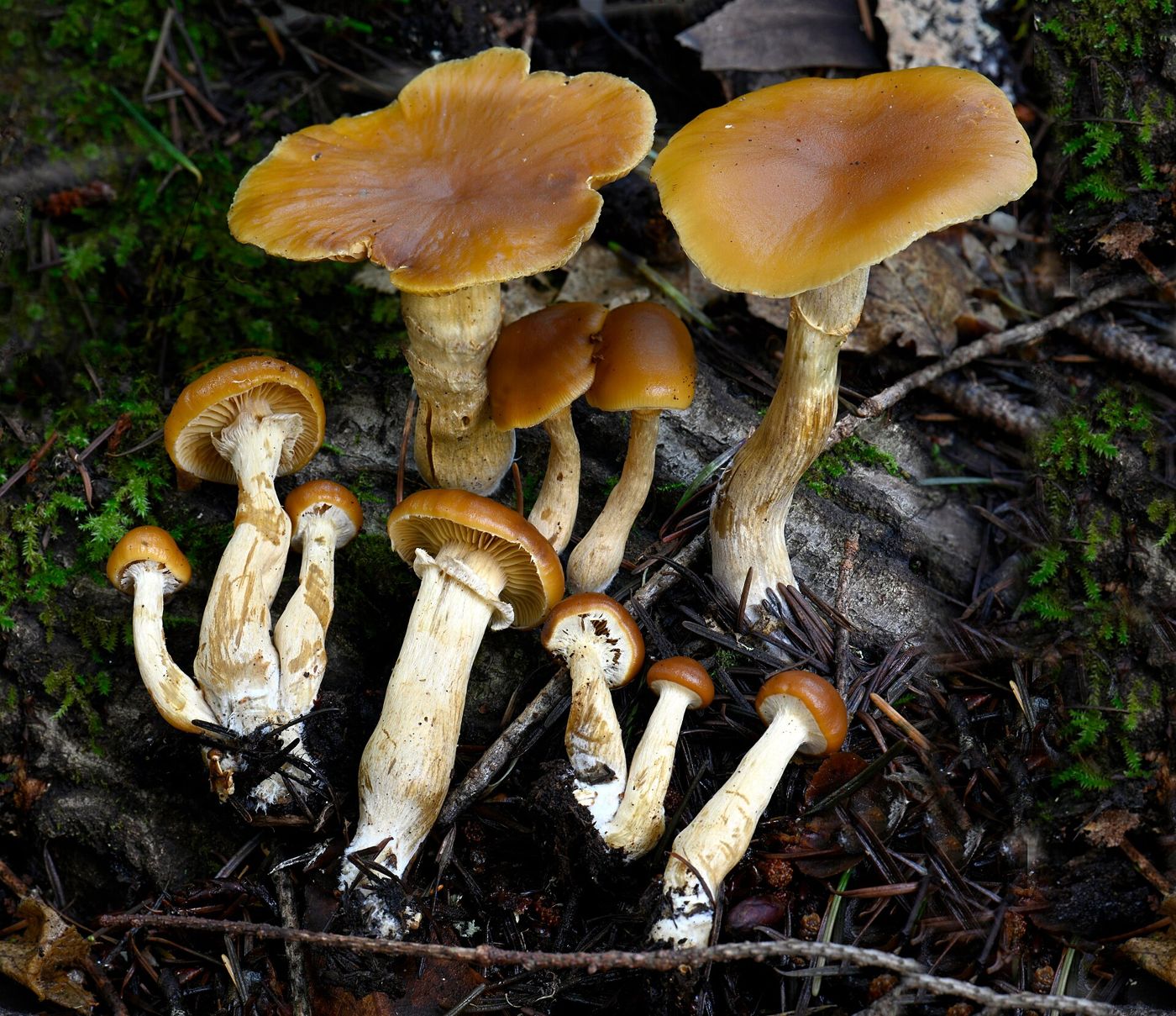
A common worry among foragers and parents is whether simply touching a wild mushroom can cause poisoning. In nearly all cases, casual skin contact with most toxic mushrooms will not result in the kind of systemic poisoning that happens when a mushroom is eaten. True systemic toxins that cause life-threatening liver or kidney damage—such as amatoxins from Amanita species—act when they reach the gastrointestinal tract and bloodstream, not through intact skin in ordinary exposures.
That said, not all risks from touching fungi are the same. Several species or groups can produce compounds that irritate skin, cause contact dermatitis, or trigger blisters in sensitive individuals. For example, many small brown wood-inhabiting species, certain boletes, and some members of the genus Inocybe produce alkaloids or other compounds that can irritate. Similarly, some mushrooms secrete sap or juices that stain or cause mild chemical burns if left on the skin for extended periods. People with eczema, broken skin, or known fungal allergies should be especially cautious when handling wild mushrooms.
Another important risk is transfer rather than absorption: toxins and spores on your hands can be transferred to your mouth, eyes, or food if you don’t wash thoroughly. Children are particularly vulnerable because they often put fingers or objects in their mouths after playing outdoors. Pets that sniff or lick mushrooms after a person has handled them can also be exposed that way. Always wash hands and any tools or surfaces that touched wild mushrooms before eating or touching your face, and keep foraged specimens away from children and pets until they can be identified safely.
There are rare but real exceptions worth noting. Some mushrooms contain compounds that can cause irritation through prolonged contact or in occupational settings where people handle fungi for long periods (for example, mushroom farm workers). Additionally, a few species produce potent toxins that might be harmful if they enter the body through an open wound—so avoid rubbing or scraping at mushrooms on skin, and seek medical advice if an injury occurs while handling an unknown fungus. If a severe skin reaction develops (spreading redness, swelling, blistering, or signs of infection), see a healthcare provider promptly.
If ingestion occurs, or you think someone may have swallowed part of a wild mushroom, treat the situation as potentially serious. Do not rely on folk tests (silver spoons, taste, or whether animals eat it); these are unreliable. Instead, call your local poison control center or emergency services immediately and, if possible, keep a sample of the mushroom in a sealed container for identification. Time matters with certain toxic species, so prompt medical evaluation is essential—do not wait for symptoms to appear.
When you need to identify a suspicious mushroom after an exposure or just to be safe, good photographs help experts and identification apps. Photograph the cap from above and the side, a close-up of the gills or pores underneath, the stem along its length, and especially the stem base (dig gently around it to show any volva or bulb). Upload those images to Shroomly to get likely species and toxic look-alikes, then confirm identification with a local mycological society or expert before making any decisions about safety or disposal.